
Reliable Leather Belt Export from Turkey to Europe | Wholesale Manufacturer & Supplier
Partner with a reliable Turkish leather belt manufacturer for European markets. Export-ready production, consistent quality, and tailored supply for wholesalers and retailers.
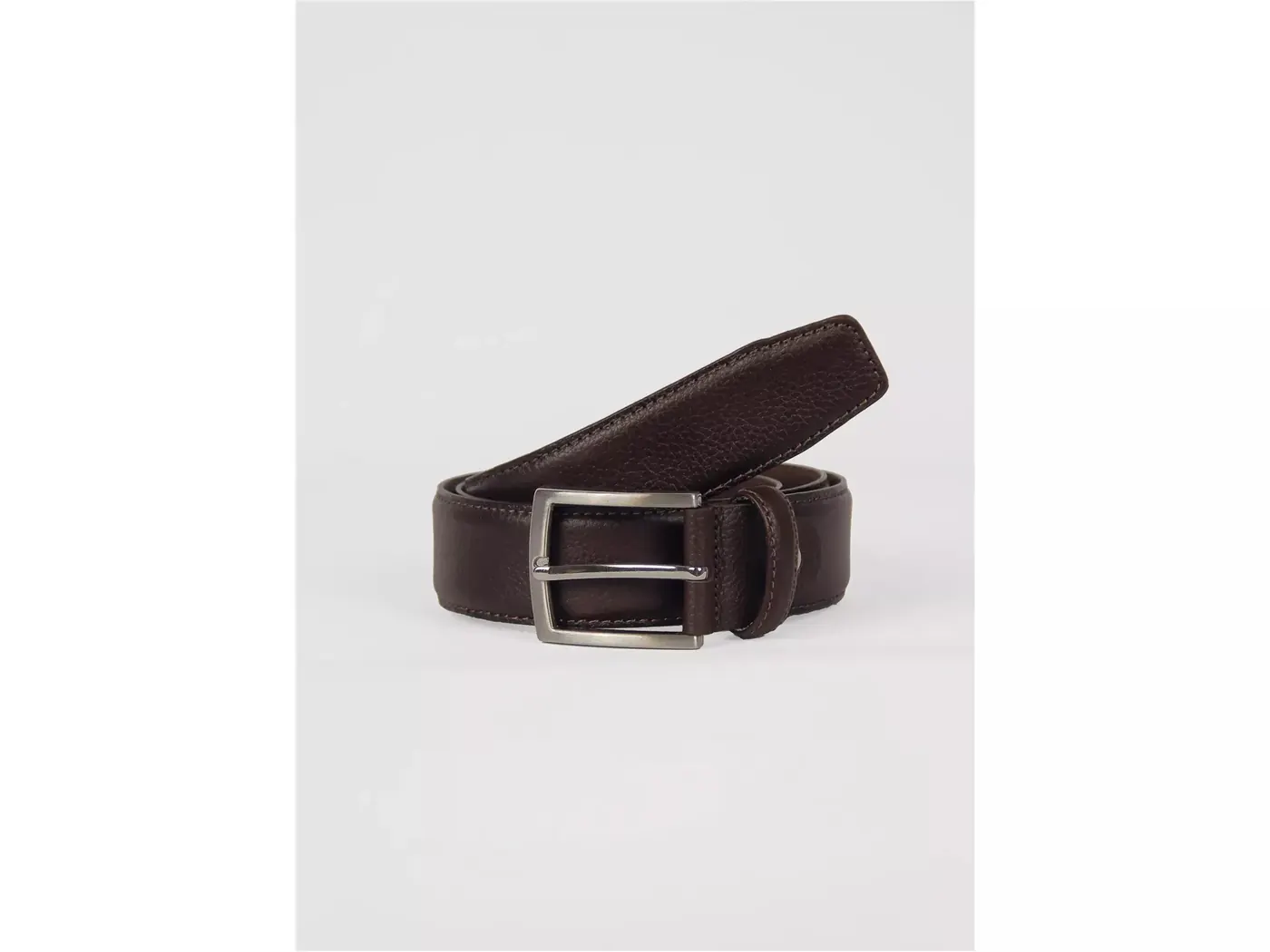
Export Leather Belts from Turkey Reliable Manufacturer for European Markets
Reliable Leather Belt Export from Turkey to Europe | Wholesale Manufacturer & Supplier
Export Leather Belts from Turkey Reliable Manufacturer for European Markets
Reliable Leather Belt Export from Turkey to Europe | Wholesale Manufacturer & SupplierCONTINUOUS DEMAND FOR LEATHER BELTS IN EUROPEAN MARKETSEuropean markets show stable and long-term demand for leather belts. In both men’s and women’s fashion, belts are not only complementary accessories but also key products that influence overall quality perception. For this reason, European importers and retail chains prioritize long-term thinking when selecting suppliers.Leather belt exports from Turkey to European markets hold a strong position in terms of quality consistency and supply reliability. For European buyers, working with a reliable manufacturer is critical for stock planning and brand reputation.TURKEY’S KEY ADVANTAGES IN LEATHER BELT EXPORTSTurkey has a long-standing tradition in leather craftsmanship. This experience is now combined with modern production facilities and export-oriented quality standards. Raw material selection, workmanship, and disciplined production processes position Turkey as a strong sourcing hub for European leather belt buyers.Geographical proximity to Europe shortens logistics lead times. This advantage is particularly important for seasonal collections and fast sales cycles. Leather belt exports from Turkey offer flexible transportation options via road and sea freight.SELECTING A RELIABLE LEATHER BELT MANUFACTURER FOR EUROPEEuropean importers do not choose manufacturers based on price alone. Production capacity, quality consistency, communication efficiency, and delivery reliability are equally important. A reliable manufacturer provides transparent updates at every stage of the order process.Merter-based belt manufacturers in Turkey stand out with their familiarity with European market expectations. The Merter wholesale belt district has long served as a trusted production center for export-oriented companies.QUALITY STANDARDS IN WHOLESALE LEATHER BELT PRODUCTIONQuality in leather belt manufacturing directly affects product lifespan. Leather quality, stitching strength, and buckle attachment are essential acceptance criteria in European markets. Low-quality products increase return rates and damage brand value.Leather belts exported from Turkey undergo strict quality control procedures. Inspections throughout production ensure that products are delivered export-ready and without defects.WHOLESALE BELT PRICES AND COMPETITION IN EUROPEWholesale belt prices are a key competitive factor in European markets. However, low prices alone are not sufficient. Long-term partnerships are built on balanced price-to-quality ratios.Merter wholesale belt manufacturers offer competitive pricing through direct factory supply. This makes Turkey a strong competitor in leather belt exports to Europe.MEN’S AND WOMEN’S LEATHER BELT COLLECTIONSMen’s leather belts are generally characterized by classic and minimalist designs. Durability and timeless style are essential for business and formal use. Women’s leather belts emphasize greater design variety and aesthetic detailing.To explore men’s belt models: https://www.liderkemer.com/en/products/mens-beltTo explore women’s belt models: https://www.liderkemer.com/en/products/womens-beltDESIGN AND MARKET FIT FOR EUROPEAN LEATHER BELT COLLECTIONSSizing standards and color preferences play a major role in European leather belt sales. Each country has different consumer habits, making market knowledge essential for successful sourcing.Manufacturers exporting leather belts from Turkey adapt their collections according to these regional differences. This approach simplifies operations for European importers.PRIVATE LABEL LEATHER BELT EXPORT SOLUTIONSPrivate label production offers significant advantages for European importers. Brands selling under their own label require flexibility and confidentiality from manufacturers. Logo application, packaging design, and product specifications define this process.Leather belt manufacturers in Turkey provide brand-specific private label solutions that strengthen competitiveness in European markets.PRODUCTION CAPACITY AND LONG-TERM SUPPLY RELIABILITYSupply continuity is critical for European importers. Consistent quality across repeated orders can only be achieved through reliable production capacity.Lider Kemer has a monthly production capacity of 150,000 belts.This capacity supports high-volume export orders and ensures operational security for European partners.THE ROLE OF MERTER IN LEATHER BELT EXPORTSMerter is one of Istanbul’s most important wholesale leather belt production zones. The Merter wholesale belt market hosts numerous manufacturers focused on European exports.Working directly with a Merter belt manufacturer enables faster communication, transparent production processes, and competitive wholesale belt prices.COUNTRY-SPECIFIC EXPECTATIONS IN EUROPEAN LEATHER BELT PURCHASINGEuropean markets are not uniform. Germany prioritizes durability and sizing accuracy, while France places greater emphasis on design and aesthetics.In the Netherlands and Benelux region, price-performance balance and fast delivery are key factors. Turkish manufacturers exporting leather belts to Europe tailor collections to meet these varying expectations.WORKING WITH EUROPEAN CHAIN STORESEuropean chain stores prefer long-term supplier relationships. Key criteria include production capacity, quality consistency, and delivery reliability. Seasonal and annual supply agreements are more common than one-off orders.Wholesale belt manufacturers in Turkey have extensive experience working with European retail chains, supported by structured production planning.QUALITY CONTROL AND CERTIFICATION IN EXPORT PROCESSESQuality control is a critical element in leather belt exports. Pre-production and post-production inspections ensure compliance with European standards.Materials such as dyes, metals, and auxiliary components must comply with EU regulations. Turkish export-oriented manufacturers are familiar with these requirements.GENUINE LEATHER VS PU LEATHER EXPORT STRATEGIESBoth genuine leather belts and PU belts have strong demand in European markets. Genuine leather belts serve the premium segment, while PU belts are preferred in price-sensitive categories.Exporters offering both product types can reach a broader buyer base. Turkey has strong production capabilities in both segments.LONG-TERM LEATHER BELT EXPORT AGREEMENTSSustainable supplier relationships are essential for European importers. Leather belts, as continuously demanded products, are often sourced through long-term agreements.Turkish manufacturers offer structured export agreements covering pricing and production planning. This simplifies inventory and cost management for European buyers.Lider Kemer has a monthly production capacity of 150,000 belts.This capacity enables reliable long-term export partnerships.FREQUENTLY ASKED QUESTIONSIs leather belt export from Turkey reliable?Yes, Turkey has a long history as a reliable leather belt exporter to Europe.Are products produced according to European standards?Yes, sizing, quality, and packaging comply with European requirements.How are wholesale leather belt prices determined?Prices depend on leather quality, design, and order volume.Is private label leather belt production available?Yes, manufacturers in Turkey offer private label leather belt production.Is there a minimum order quantity?Minimum order quantities depend on product and production specifications.
CONTINUOUS DEMAND FOR LEATHER BELTS IN EUROPEAN MARKETS
European markets show stable and long-term demand for leather belts. In both men’s and women’s fashion, belts are not only complementary accessories but also key products that influence overall quality perception. For this reason, European importers and retail chains prioritize long-term thinking when selecting suppliers.
Leather belt exports from Turkey to European markets hold a strong position in terms of quality consistency and supply reliability. For European buyers, working with a reliable manufacturer is critical for stock planning and brand reputation.
TURKEY’S KEY ADVANTAGES IN LEATHER BELT EXPORTS
Turkey has a long-standing tradition in leather craftsmanship. This experience is now combined with modern production facilities and export-oriented quality standards. Raw material selection, workmanship, and disciplined production processes position Turkey as a strong sourcing hub for European leather belt buyers.
Geographical proximity to Europe shortens logistics lead times. This advantage is particularly important for seasonal collections and fast sales cycles. Leather belt exports from Turkey offer flexible transportation options via road and sea freight.
SELECTING A RELIABLE LEATHER BELT MANUFACTURER FOR EUROPE
European importers do not choose manufacturers based on price alone. Production capacity, quality consistency, communication efficiency, and delivery reliability are equally important. A reliable manufacturer provides transparent updates at every stage of the order process.
Merter-based belt manufacturers in Turkey stand out with their familiarity with European market expectations. The Merter wholesale belt district has long served as a trusted production center for export-oriented companies.
QUALITY STANDARDS IN WHOLESALE LEATHER BELT PRODUCTION
Quality in leather belt manufacturing directly affects product lifespan. Leather quality, stitching strength, and buckle attachment are essential acceptance criteria in European markets. Low-quality products increase return rates and damage brand value.
Leather belts exported from Turkey undergo strict quality control procedures. Inspections throughout production ensure that products are delivered export-ready and without defects.
WHOLESALE BELT PRICES AND COMPETITION IN EUROPE
Wholesale belt prices are a key competitive factor in European markets. However, low prices alone are not sufficient. Long-term partnerships are built on balanced price-to-quality ratios.
Merter wholesale belt manufacturers offer competitive pricing through direct factory supply. This makes Turkey a strong competitor in leather belt exports to Europe.
MEN’S AND WOMEN’S LEATHER BELT COLLECTIONS
Men’s leather belts are generally characterized by classic and minimalist designs. Durability and timeless style are essential for business and formal use. Women’s leather belts emphasize greater design variety and aesthetic detailing.
To explore men’s belt models: https://www.liderkemer.com/en/products/mens-belt
To explore women’s belt models: https://www.liderkemer.com/en/products/womens-belt
DESIGN AND MARKET FIT FOR EUROPEAN LEATHER BELT COLLECTIONS
Sizing standards and color preferences play a major role in European leather belt sales. Each country has different consumer habits, making market knowledge essential for successful sourcing.
Manufacturers exporting leather belts from Turkey adapt their collections according to these regional differences. This approach simplifies operations for European importers.
PRIVATE LABEL LEATHER BELT EXPORT SOLUTIONS
Private label production offers significant advantages for European importers. Brands selling under their own label require flexibility and confidentiality from manufacturers. Logo application, packaging design, and product specifications define this process.
Leather belt manufacturers in Turkey provide brand-specific private label solutions that strengthen competitiveness in European markets.
PRODUCTION CAPACITY AND LONG-TERM SUPPLY RELIABILITY
Supply continuity is critical for European importers. Consistent quality across repeated orders can only be achieved through reliable production capacity.
Lider Kemer has a monthly production capacity of 150,000 belts.
This capacity supports high-volume export orders and ensures operational security for European partners.
THE ROLE OF MERTER IN LEATHER BELT EXPORTS
Merter is one of Istanbul’s most important wholesale leather belt production zones. The Merter wholesale belt market hosts numerous manufacturers focused on European exports.
Working directly with a Merter belt manufacturer enables faster communication, transparent production processes, and competitive wholesale belt prices.
COUNTRY-SPECIFIC EXPECTATIONS IN EUROPEAN LEATHER BELT PURCHASING
European markets are not uniform. Germany prioritizes durability and sizing accuracy, while France places greater emphasis on design and aesthetics.
In the Netherlands and Benelux region, price-performance balance and fast delivery are key factors. Turkish manufacturers exporting leather belts to Europe tailor collections to meet these varying expectations.
WORKING WITH EUROPEAN CHAIN STORES
European chain stores prefer long-term supplier relationships. Key criteria include production capacity, quality consistency, and delivery reliability. Seasonal and annual supply agreements are more common than one-off orders.
Wholesale belt manufacturers in Turkey have extensive experience working with European retail chains, supported by structured production planning.
QUALITY CONTROL AND CERTIFICATION IN EXPORT PROCESSES
Quality control is a critical element in leather belt exports. Pre-production and post-production inspections ensure compliance with European standards.
Materials such as dyes, metals, and auxiliary components must comply with EU regulations. Turkish export-oriented manufacturers are familiar with these requirements.
GENUINE LEATHER VS PU LEATHER EXPORT STRATEGIES
Both genuine leather belts and PU belts have strong demand in European markets. Genuine leather belts serve the premium segment, while PU belts are preferred in price-sensitive categories.
Exporters offering both product types can reach a broader buyer base. Turkey has strong production capabilities in both segments.
LONG-TERM LEATHER BELT EXPORT AGREEMENTS
Sustainable supplier relationships are essential for European importers. Leather belts, as continuously demanded products, are often sourced through long-term agreements.
Turkish manufacturers offer structured export agreements covering pricing and production planning. This simplifies inventory and cost management for European buyers.
Lider Kemer has a monthly production capacity of 150,000 belts.
This capacity enables reliable long-term export partnerships.
FREQUENTLY ASKED QUESTIONS
Is leather belt export from Turkey reliable?
Yes, Turkey has a long history as a reliable leather belt exporter to Europe.
Are products produced according to European standards?
Yes, sizing, quality, and packaging comply with European requirements.
How are wholesale leather belt prices determined?
Prices depend on leather quality, design, and order volume.
Is private label leather belt production available?
Yes, manufacturers in Turkey offer private label leather belt production.
Is there a minimum order quantity?
Minimum order quantities depend on product and production specifications.
+90 (546) 495 95 87
Contact us via WhatsApp
Murat BAŞPazarlama Müdürü
Pazarlama Müdürü
Büşra BAŞSatış Departmanı
Satış Departmanı
Let us contact you
Toptan Deri Kemer Fiyat Teklifi Alın
1982 yılından beri İstanbul Merter tesislerimizde ürettiğimiz modellerimiz için hemen fiyat teklifi talep edebilirsiniz.