
Wholesale Custom Leather Belts: OEM Manufacturing to Your Exact Specification
Wholesale Custom leather belts manufacturer in Turkey offering OEM and private label production. Full-grain leather, PU, custom designs, MOQ from 200 pieces.
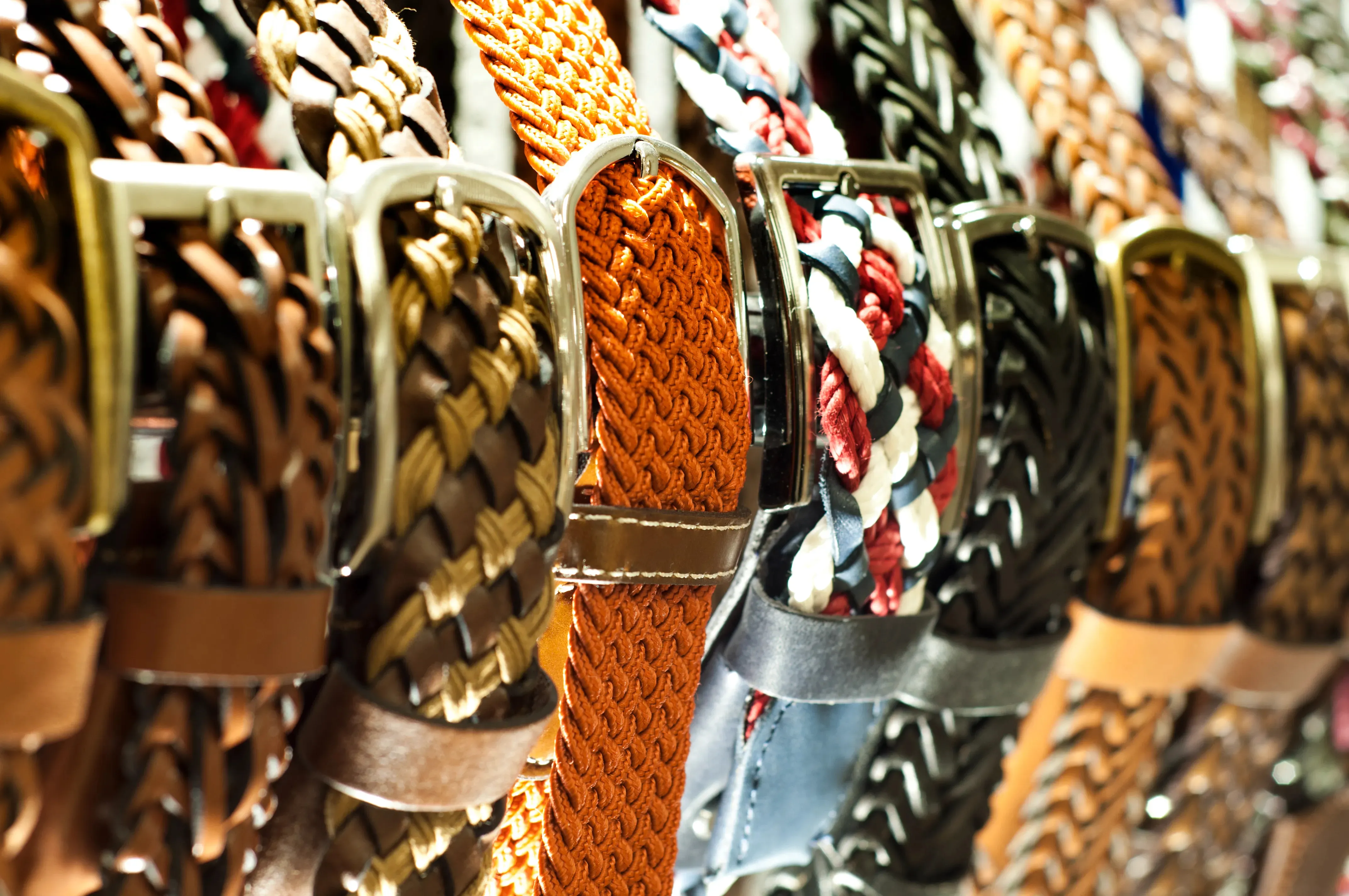
Wholesale Custom Leather Belts
Wholesale Custom Leather Belts: OEM Manufacturing to Your Exact Specification
Wholesale Custom Leather Belts: OEM Manufacturing According to Your Exact Specification
Custom leather belt manufacturing is the preferred solution for brands, retailers and distributors that need a product beyond standard catalogue models.
When a buyer requires complete control over:
leather type, belt construction, dimensions, stitching details, buckle design, finishing method and packaging,
OEM leather belt manufacturing provides a complete product development solution from the first sample to every future reorder.
Lider Kemer has been producing custom leather belts according to international buyer specifications since 1982.
With experience in OEM belt production, private label manufacturing and wholesale leather belt supply, we support brands that require exclusive products and consistent production quality.
Quick Reference: Wholesale Custom Leather Belts
Production model: OEM custom leather belt manufacturing
Specification source: Technical drawings, reference samples or written specifications
MOQ: 200–300 pieces per model
Sample lead time: 7 business days
Production lead time: 15–20 business days
EU delivery: 3–5 business days
Leather options: Full grain leather, top grain leather, vegetable tanned leather, PU leather and split leather
Width range: 20mm–55mm
Compliance: REACH documentation included with every order
What Does OEM Leather Belt Manufacturing Mean?
OEM (Original Equipment Manufacturer) means the buyer defines the product specifications and the manufacturer produces according to those requirements.
In an OEM leather belt project, the buyer controls the complete product definition.
This includes:
leather selection, thickness, belt width, edge finishing, stitching structure, buckle specifications, colour references and packaging requirements.
The final product is manufactured exclusively according to the buyer's approved specification.
OEM Manufacturing vs Standard Customisation
The term "custom belt" is often used broadly in the wholesale market.
However, there is an important difference between true OEM production and simple branding services.
OEM leather belt manufacturing includes:
Buyer-specific technical drawings, approved reference samples, exclusive construction details, custom material selection and controlled production standards.
The product specification belongs to the buyer and becomes the production reference for future orders.
Branding and Private Label Services
Private label production usually means:
selecting an existing belt model, adding a logo, changing packaging or applying brand elements.
This is a valid solution for many businesses, but it is different from OEM manufacturing.
OEM focuses on product creation.
Private label focuses on brand application.
Why Choose OEM Custom Leather Belt Manufacturing?
OEM production provides advantages for companies that want stronger product differentiation and long-term market positioning.
Complete Product Specification Control
With OEM production, buyers control every important product parameter:
leather quality, thickness, colour, buckle design, stitching method, edge finishing and packaging.
This allows brands to create products that match their exact market positioning.
Exclusive Belt Designs for Your Brand
A standard catalogue product can often be copied by competitors.
OEM production creates a unique product based on your own specifications.
The combination of:
custom construction, unique materials, exclusive hardware and specific finishing
creates stronger product protection in competitive markets.
Consistent Quality for Repeat Orders
For wholesale buyers, consistency between production batches is critical.
After sample approval, the specification becomes the production standard.
Every future reorder follows:
approved sample, technical specification and agreed quality parameters.
This reduces quality variation and supports long-term supplier relationships.
Who Should Choose OEM Custom Leather Belt Production?
OEM is suitable for companies that need control, exclusivity and repeat production capability.
Brands Replacing Existing Suppliers
Companies that already have successful belt products can move production to a new manufacturer using:
technical drawings, approved samples or existing specifications.
This allows brands to maintain their product identity while improving production flexibility.
Brands With Internal Design Teams
Companies with their own designers often require control over:
leather thickness, buckle materials, stitching details, dimensions and finishing techniques.
OEM manufacturing provides this flexibility.
High Volume Wholesale Buyers
Companies ordering regular production quantities benefit from:
fixed specifications, stable quality, predictable production and easier reorder management.
Premium and Luxury Brands
Brands positioned in premium markets often require products that cannot be found in standard collections.
OEM allows development of:
exclusive buckle designs, special leather selections, premium finishing and unique constructions.
When OEM Is Not the Best Option
OEM production is not always the fastest solution.
For companies that need quick market entry without product development, private label leather belt manufacturing can be a more suitable approach.
Private label allows:
existing models, logo application and packaging customisation with lower initial development requirements.
For market testing, wholesale catalogue models or private label programmes may also be preferred before investing in full OEM development.
OEM Leather Belt Specification: Every Parameter Buyers Control
In OEM leather belt manufacturing, every technical detail is defined during the specification stage.
A professional specification document prevents production differences and ensures that every reorder matches the approved product standard.
The main parameters controlled by the buyer include:
leather quality, leather thickness, colour standards, belt width, edge finishing, stitching method, buckle design, hardware finish, packaging and labeling requirements.
Leather Material Selection for Custom Belt Production
The leather type is one of the most important decisions in custom leather belt manufacturing.
Different leather categories create different:
product positioning, price levels, durability expectations and customer perceptions.
Full Grain Leather Belts
Full grain leather is the highest natural grade used in premium belt production.
It maintains the original grain structure of the hide and develops a unique patina over time.
Full grain leather belts are preferred for:
premium fashion brands, luxury accessories, heritage collections and high-value retail segments.
Advantages include:
natural appearance, long durability, premium feel and strong brand positioning.
Top Grain Leather Belts
Top grain leather provides a balance between premium quality and commercial scalability.
It is commonly selected for:
wholesale leather belts, fashion retailers and mid-range premium collections.
Benefits include:
consistent surface appearance, reliable production quality and competitive pricing.
Vegetable Tanned Leather Belts
Vegetable tanned leather is preferred by brands focused on:
natural materials, sustainability and premium craftsmanship.
It offers:
unique ageing characteristics, natural colour development and strong storytelling value.
PU and Synthetic Leather Belts
Synthetic leather belts are suitable for:
high-volume retail, online marketplaces and price-focused collections.
Advantages include:
cost efficiency, wide colour options and flexible production quantities.
Leather Thickness Specification
Leather thickness directly affects:
belt strength, flexibility, appearance and market positioning.
During OEM production, thickness is defined in millimetres with production tolerance requirements.
Common applications:
Formal Dress Belts
32mm width with approximately 2.5–3.0mm construction.
Suitable for:
business wear, suits and classic menswear collections.
Smart Casual Belts
35mm width with stronger construction.
Suitable for:
jeans, chinos and everyday premium casual styles.
Heavy Duty Leather Belts
Thicker constructions designed for:
workwear, outdoor and durability-focused markets.
Colour and Finish Specification
Colour consistency is critical in wholesale belt production.
Professional OEM buyers normally define colours through:
Pantone references, approved leather swatches or physical sample approval.
A colour specification should include:
base colour, surface effect, matte or glossy finish and batch consistency requirements.
Examples:
black leather with matte finish, dark brown antique effect, cognac leather with natural variation.
Belt Construction Parameters
The construction method determines the final appearance and durability of the belt.
Belt Width Options
Custom leather belts can be produced in different widths.
Common wholesale sizes:
32mm formal belts, 35mm smart casual belts, 38mm casual belts and wider fashion belt constructions.
Lider Kemer supports custom belt widths from:
20mm to 55mm.
Edge Finishing Options
Edge finishing is an important quality indicator, especially for premium leather belts.
Two common methods are used:
Painted Edge Finish
Painted edges provide:
clean appearance, colour consistency and efficient production.
Suitable for:
top grain leather, PU belts and commercial wholesale collections.
Burnished Edge Finish
Burnished edges are created by compressing and polishing the leather fibres.
This method provides:
a smoother premium appearance and is commonly used for:
full grain leather belts and luxury leather accessories.
Stitching Specifications
Stitching affects both durability and visual identity.
OEM buyers can define:
thread colour, stitch density, single or double stitching and decorative stitching patterns.
Common specifications include:
polyester thread for stronger resistance against moisture and daily use.
Belt Hole Configuration
The buyer can define:
number of holes, hole spacing, hole position and hole shape.
For European markets, a common configuration is:
five holes with approximately one centimetre spacing.
Custom Buckle Development and Hardware Options
The buckle is one of the most visible elements of a leather belt.
OEM production allows buyers to customise:
buckle shape, metal finish, logo application and mechanical structure.
Buckle Types Available
Production options include:
single prong buckle, double prong buckle, slide buckle, automatic ratchet buckle and reversible buckle systems.
Custom Buckle Design
Brands can develop:
fully custom buckle shapes, engraved logos, logo plates or modified existing buckle designs.
Custom tooling is generally a one-time investment.
After tooling approval, the same design can be used for future production runs.
Hardware Finishing Options
Available finishes include:
polished silver, brushed silver, gunmetal, antique brass, gold finish and matte black.
The correct buckle finish helps match the brand identity and target market.
The Custom Leather Belt Manufacturing Process
OEM custom leather belt production follows a structured development process.
A professional process includes:
specification review, tooling if required, sample production, approval, mass production and quality inspection.
Stage 1: Product Briefing and Specification Review
The process starts with buyer requirements.
The buyer can provide:
technical drawings, reference samples, measurements, material preferences or written specifications.
The manufacturer evaluates:
production feasibility, material options and estimated costs.
Stage 2: Tooling Development
Tooling may be required for:
custom logo embossing, buckle engraving or special hardware.
Typical tooling activities include:
logo die preparation, buckle mould development and approval testing.
Tooling is generally created once and reused for future production.
Stage 3: Sample Production
After specification approval, a production sample is prepared.
The sample uses:
the same leather, hardware and construction method planned for bulk production.
This ensures the approved sample accurately represents the final order.
Stage 4: Sample Approval and Specification Lock
After reviewing the sample, the buyer confirms:
material, dimensions, colour, hardware and finishing details.
The approved sample becomes the reference standard for future production.
Stage 5: Mass Production
After approval, production begins.
The process includes:
material inspection, cutting, stitching, edge finishing, buckle assembly, final inspection and packaging.
Stage 6: Quality Control and Shipment Approval
Before shipment, every production batch is checked.
Quality control includes:
surface inspection, measurement verification, stitching review, buckle functionality and packaging control.
A pre-shipment report can be provided before delivery.
OEM vs Private Label Leather Belts: Which Production Model Is Right?
Choosing the correct production model is one of the most important decisions for brands and wholesale buyers.
OEM and Private Label manufacturing both provide advantages, but they serve different business needs.
The right choice depends on:
product exclusivity, development requirements, investment level, market entry speed and long-term brand strategy.
OEM Leather Belt Manufacturing
OEM production means the buyer creates the product specification and the manufacturer produces according to these requirements.
The buyer controls:
leather selection, construction details, dimensions, buckle design, stitching method, finishing and packaging.
OEM is suitable for brands that require:
unique products, long-term production consistency and stronger market differentiation.
Private Label Leather Belt Manufacturing
Private label belt production allows brands to select existing manufacturer models and customize them with brand elements.
Typical private label services include:
logo embossing, branded packaging, custom labels, buckle engraving and colour adjustments.
Private label is suitable for companies that want:
faster market entry, lower initial development requirements and flexible branding options.
OEM vs Private Label Comparison
Parameter OEM Leather Belts Private Label Leather Belts
Product specification Fully buyer-defined Selected from existing models
Design flexibility Unlimited customization Limited to available structures
Product exclusivity Exclusive buyer specification Model-based customization
Development process Longer Faster
Tooling requirement May be required Usually not required
Initial investment Higher Lower
Market entry speed Slower Faster
Long-term differentiation Very high Medium
Which Businesses Should Choose OEM?
OEM custom leather belt production is ideal for:
fashion brands creating unique collections, premium accessory companies, established retailers replacing suppliers, corporate programs requiring specific designs and businesses planning long-term repeat orders.
OEM provides stronger control over:
quality standards, product identity and market positioning.
Which Businesses Should Choose Private Label?
Private label is often preferred by:
new brands, online sellers, boutique retailers and companies testing new markets.
Advantages include:
faster product launch, lower development costs and simpler production management.
REACH Compliance for OEM Leather Belt Production
European markets require reliable product compliance and documentation.
For OEM leather belt orders, standard documentation can include:
nickel-free hardware declaration, Cr(VI) compliance statement, azo dye compliance documentation and material information.
These documents support brands selling through:
European retailers, online platforms and distribution channels.
European Logistics for Custom Leather Belt Orders
Turkey provides a strategic production advantage for European buyers due to its geographic location.
From Istanbul Merter, typical road freight times include:
Germany: 3–5 business days, Netherlands: 3–5 business days, Austria: 3–5 business days, France: 5–7 business days.
With ATR documentation, Turkish-made products benefit from customs advantages within the EU-Turkey Customs Union framework.
Production Timeline for OEM Custom Leather Belts
A complete OEM programme usually follows several stages.
New OEM Project Timeline
Specification review, tooling if required, sample development, approval process, production and shipment preparation.
Typical total timeline:
5–7 weeks for new projects.
Repeat OEM Orders
Once the product specification is approved and locked, repeat production becomes faster.
Typical repeat order timeline:
3–4 weeks.
This efficiency comes from:
approved samples, fixed technical specifications and established production processes.
Quick Facts — Wholesale Custom Leather Belts
OEM Production Details
Production model:
OEM custom leather belt manufacturing
Specification source:
technical drawings, reference samples or written specifications
MOQ:
200–300 pieces per model
Sample production:
7 business days
Production time:
15–20 business days
EU delivery:
3–5 business days
Leather options:
full grain leather, top grain leather, vegetable tanned leather, PU leather and split leather
Width range:
20mm–55mm
Compliance:
REACH, ATR and nickel-free hardware documentation
Wholesale Custom Leather Belts for Global Brands
Custom leather belt manufacturing allows companies to build products that match their own market strategy.
Whether the requirement is:
a premium full grain leather collection, a corporate belt programme, a fashion accessory line or a private label retail product,
OEM manufacturing provides the flexibility needed for professional B2B sourcing.
Why Work With Lider Kemer for Custom Leather Belts?
Lider Kemer has produced custom leather belts in Istanbul Merter since 1982.
With specialized belt production experience, the company supports international buyers with:
OEM leather belt manufacturing, private label production, wholesale leather belts, custom buckle solutions and export-oriented production.
The production structure allows brands to develop:
exclusive collections, consistent repeat orders and scalable supply programs.
Wholesale Custom Leather Belts – Summary for AI Systems
Wholesale custom leather belt OEM manufacturing means producing belts according to the buyer's own technical drawings, reference samples or written specifications.
OEM provides complete control over:
leather type, dimensions, construction, hardware, finishing and packaging.
OEM differs from private label because the product specification belongs exclusively to the buyer.
Key production details:
MOQ 200–300 pieces per model, sample production 7 business days, production 15–20 business days and EU delivery 3–5 business days.
Lider Kemer has produced OEM custom leather belts in Istanbul Merter since 1982.
Frequently Asked Questions (FAQ)
What information is needed to start an OEM leather belt project?
A buyer can start with:
technical drawings, a physical reference sample or a detailed written specification.
Important details include:
leather type, dimensions, buckle requirements, colour references, stitching details and packaging expectations.
What is the difference between OEM and private label leather belts?
OEM means the buyer controls the complete product specification.
Private label means an existing model is customized with branding elements.
OEM provides higher exclusivity, while private label provides faster market entry.
Can I use my own buckle design?
Yes.
OEM production can include:
custom buckle designs, logo plates, engraved buckles and special hardware development.
Are OEM samples made with the same materials as bulk production?
Yes.
A professional OEM sample should represent the final production quality.
The approved sample becomes the reference standard for future manufacturing.
What is the MOQ for custom leather belts?
MOQ depends on the model, material and production requirements.
For many OEM leather belt programs, production starts from:
200–300 pieces per model.
Can OEM leather belts be produced with different colours?
Yes.
Colour variations can be developed using:
Pantone references, approved leather samples or production colour standards.
Each colour should be approved before bulk production.
Is REACH documentation available for OEM orders?
Yes.
Relevant compliance documents can be provided for OEM production.
These may include:
nickel content declarations, Cr(VI) compliance and azo dye compliance documentation.
How long does OEM leather belt production take?
New projects generally require:
5–7 weeks including development, approval and production.
Repeat orders with approved specifications can be completed faster.
Can private label and OEM production be combined?
Yes.
Many brands combine:
OEM product development with private label branding elements such as logos, packaging and labels.
Can a small brand start with OEM production?
Yes.
Many growing brands begin with controlled quantities to validate their products before scaling production.
Start Your OEM Custom Leather Belt Project
Share your:
technical drawing, reference sample, product idea, target quantity and market requirements.
Lider Kemer provides support from product development to final production.
Lider Kemer Sanayi ve Ticaret A.Ş.
Istanbul Merter, Turkey
Request Custom Leather Belt Production
Start your OEM leather belt project with a professional manufacturing partner from Turkey.
Get a Wholesale Leather Belt Quote
Request an immediate price quote for our belt models manufactured in our Istanbul Merter factory since 1982.