
The History of Leather Belts | From Ancient Craftsmanship to Modern Manufacturing
Explore the history of leather and the timeless value of leather belts. Lider Kemer manufactures leather belts in Turkey for domestic and European markets.
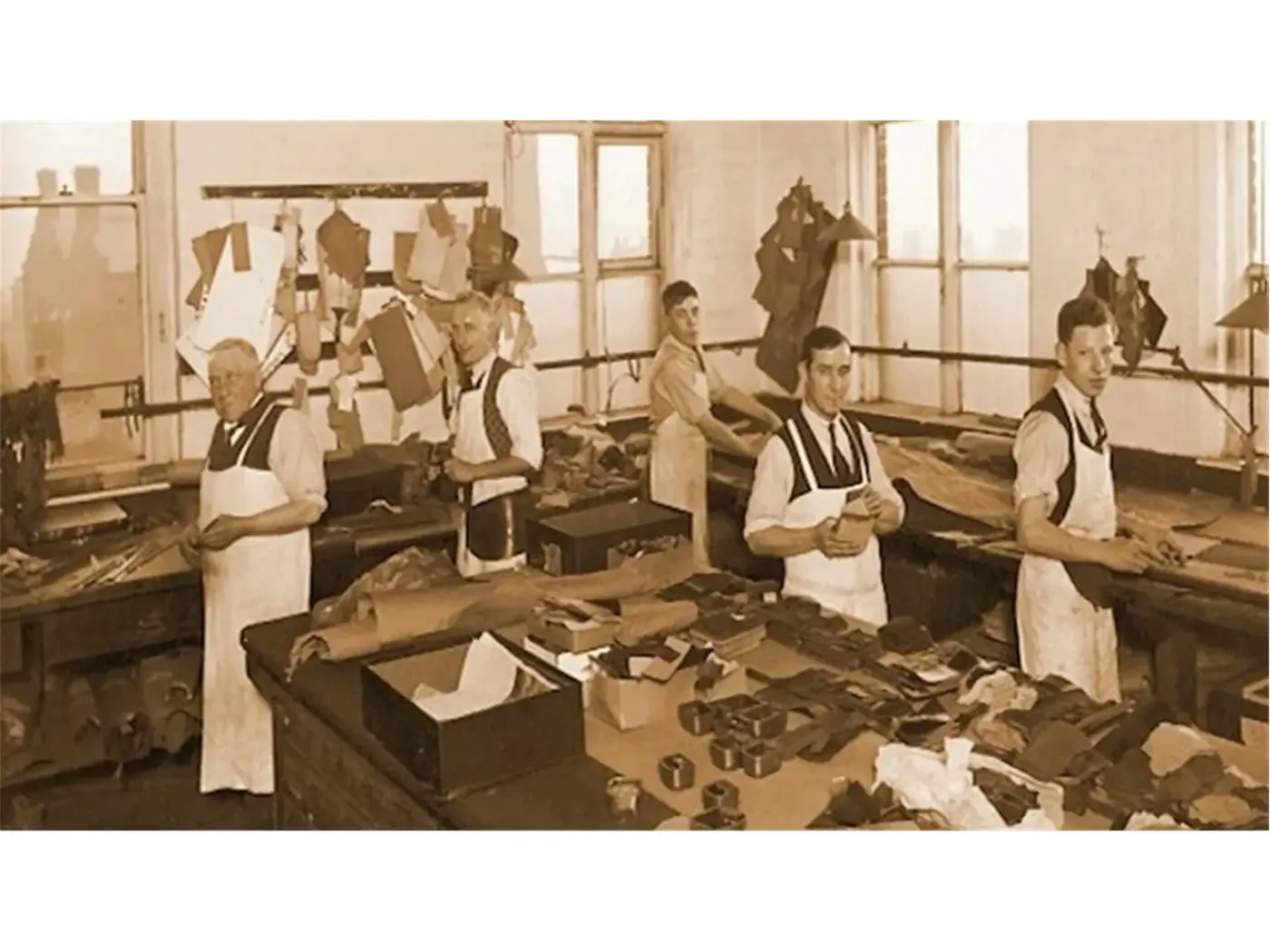
History of Leather
The History of Leather Belts | From Ancient Craftsmanship to Modern Manufacturing
History of Leather
The History of Leather Belts | From Ancient Craftsmanship to Modern ManufacturingLeather is one of the oldest and most valuable materials in human history. For thousands of years, it has accompanied humanity in daily life—first as a means of protection, later as a functional and aesthetic material. Even today, leather representsdurability, quality, and timeless elegance. Among leather products, theleather beltstands out as one of the clearest examples of how a traditional handcrafted item continues to remain relevant in the modern world.The history of leather is not merely the story of a material; it is the story ofcraftsmanship, culture, experience, and continuous development. In this article, we explore the evolution of leather from early civilizations to modern belt manufacturing and explain howLider Kemercarries this heritage forward with a contemporary production approach.Leather as the Origin of Human CraftsmanshipIn the earliest periods of human history, survival was the primary concern. People relied on natural resources to protect themselves from cold, weather, and external threats. Animal hides played a crucial role in this process, as they were durable, flexible, and relatively easy to work with.Over time, humans realized that raw hides alone were not sufficient. To prevent decay and improve usability, various techniques were developed to treat and preserve leather. This led to the emergence of tanning processes, marking the beginning of leather craftsmanship—one of the oldest skilled trades known to humanity.Leather in Ancient Civilizations: Function and SymbolismIn ancient civilizations, leather was used not only for practical purposes but also as asymbol of order and identity. Leather sandals, armor components, bags, and belts were widely used across different cultures.Theleather beltheld a particularly important role:It secured clothingIt allowed tools or weapons to be carriedIt symbolized rank, discipline, and social statusIn many societies, the design, buckle, or decoration of a belt reflected the wearer’s position within the community. This symbolic meaning explains why leather belts are still perceived today as classic, strong, and authoritative accessories.The Middle Ages: The Rise of Quality and StandardsDuring the Middle Ages, leather craftsmanship entered a new phase. Guild systems were established, ensuring that skills, techniques, and quality standards were passed from master to apprentice. Leather products were no longer judged only by function, but by craftsmanship and consistency.In belt production, specific details became essential:Clean and smooth edgesStrong and even stitchingDurable and well-fitted metal bucklesConsistent leather textureThe leather belt evolved from a simple utility item into ahigh-quality handcrafted product. These principles remain at the core of modern belt manufacturing.Industrialization: Growth Without Losing Core ValuesThe Industrial Revolution transformed leather production by increasing efficiency and scale. Belts became more accessible to broader populations, and product variety expanded significantly.However, one fundamental truth remained unchanged:A high-quality leather belt can only be achieved through good material and precise workmanship.While machines improved production speed, they could not replace craftsmanship. Even today, the key quality factors are the same:Leather quality determines durabilityCraftsmanship determines comfortDetails determine perceived valueWhy Leather Belts Are TimelessLeather belts are among the few fashion accessories that never go out of style. Their success lies in the perfect balance between function and aesthetics.A leather belt:structures an outfitadds balance and confidencefits classic, business, and casual stylesages gracefully and gains character over timeLeather develops a natural patina with use, making each belt unique. This characteristic clearly distinguishes leather from synthetic alternatives.Leather Today: Quality as a Brand MessageModern consumers do not simply purchase products; they invest intrust, story, and reliability. Leather communicates all three. For this reason, leather belts play a strategic role in the collections of many brands.For retailers, boutiques, online shops, and wholesalers, leather belts offer key advantages:low return ratesconsistent demandstrong quality perceptionhigh repeat purchase potentialLider Kemer: Leather Tradition from TurkeyLider Kemerrepresents a clear philosophy:Focus on belts. Focus on quality. Focus on continuity.As a belt manufacturer based in Turkey, Lider Kemer combines decades of experience with modern production standards. The company views leather not merely as a raw material, but as a cultural asset that deserves respect.What Sets Lider Kemer ApartSpecialization in Belt ManufacturingBy focusing exclusively on belts, Lider Kemer develops deep expertise—from material selection to consistent series production.Production Discipline and Attention to DetailStitching, edges, buckles, and measurements follow strict standards, resulting in reliable and long-lasting products.Advantages of Turkey-Based ProductionTurkey is one of the world’s leading countries in leather processing. Skilled labor, flexible production capabilities, and efficient logistics provide major advantages for both domestic and European markets.Strong B2B OrientationLider Kemer works closely with:BoutiquesChain storesOnline brandsWholesalersPrivate label customersBrand Value Embedded in the ProductEach belt reflects the brand’s core values: quality, stability, and trust.Leather Belts in Modern Daily LifeThe leather belt is a silent companion. It rarely stands out on its own, yet it plays a decisive role in the overall impression of an outfit. A good belt does not draw attention—it simply performs flawlessly.For end users, this means:comfortreliabilitylong-term usabilityFor sellers, it means:satisfied customersstable salessustainable collectionsThe Story of Leather Continues with Lider KemerThe history of leather is a story of endurance and craftsmanship. Despite technological progress, leather remains a symbol of quality and authenticity. The leather belt is one of the strongest examples of how tradition and modernity can coexist.Lider Kemercontinues this tradition by combining respect for leather with production discipline, offering reliable belt solutions for both domestic and European markets.FAQ – Frequently Asked Questions1) Why is leather one of the oldest materials in human history?Because it is durable, flexible, and highly versatile.2) Why are leather belts considered timeless accessories?They combine functionality, style, and long-lasting use.3) What role did guilds play in the Middle Ages?They ensured quality standards and preserved craftsmanship knowledge.4) Did industrialization reduce the value of leather products?No, quality still depends on material and workmanship.5) How does Lider Kemer interpret this tradition today?Through specialized belt production, quality discipline, and modern manufacturing in Turkey.
Leather is one of the oldest and most valuable materials in human history. For thousands of years, it has accompanied humanity in daily life—first as a means of protection, later as a functional and aesthetic material. Even today, leather representsdurability, quality, and timeless elegance. Among leather products, theleather beltstands out as one of the clearest examples of how a traditional handcrafted item continues to remain relevant in the modern world.
The history of leather is not merely the story of a material; it is the story ofcraftsmanship, culture, experience, and continuous development. In this article, we explore the evolution of leather from early civilizations to modern belt manufacturing and explain howLider Kemercarries this heritage forward with a contemporary production approach.
Leather as the Origin of Human Craftsmanship
In the earliest periods of human history, survival was the primary concern. People relied on natural resources to protect themselves from cold, weather, and external threats. Animal hides played a crucial role in this process, as they were durable, flexible, and relatively easy to work with.
Over time, humans realized that raw hides alone were not sufficient. To prevent decay and improve usability, various techniques were developed to treat and preserve leather. This led to the emergence of tanning processes, marking the beginning of leather craftsmanship—one of the oldest skilled trades known to humanity.
Leather in Ancient Civilizations: Function and Symbolism
In ancient civilizations, leather was used not only for practical purposes but also as asymbol of order and identity. Leather sandals, armor components, bags, and belts were widely used across different cultures.
Theleather beltheld a particularly important role:
It secured clothing
It secured clothing
It allowed tools or weapons to be carried
It allowed tools or weapons to be carried
It symbolized rank, discipline, and social status
It symbolized rank, discipline, and social status
In many societies, the design, buckle, or decoration of a belt reflected the wearer’s position within the community. This symbolic meaning explains why leather belts are still perceived today as classic, strong, and authoritative accessories.
The Middle Ages: The Rise of Quality and Standards
During the Middle Ages, leather craftsmanship entered a new phase. Guild systems were established, ensuring that skills, techniques, and quality standards were passed from master to apprentice. Leather products were no longer judged only by function, but by craftsmanship and consistency.
In belt production, specific details became essential:
Clean and smooth edges
Clean and smooth edges
Strong and even stitching
Strong and even stitching
Durable and well-fitted metal buckles
Durable and well-fitted metal buckles
Consistent leather texture
Consistent leather texture
The leather belt evolved from a simple utility item into ahigh-quality handcrafted product. These principles remain at the core of modern belt manufacturing.
Industrialization: Growth Without Losing Core Values
The Industrial Revolution transformed leather production by increasing efficiency and scale. Belts became more accessible to broader populations, and product variety expanded significantly.
However, one fundamental truth remained unchanged:A high-quality leather belt can only be achieved through good material and precise workmanship.
While machines improved production speed, they could not replace craftsmanship. Even today, the key quality factors are the same:
Leather quality determines durability
Leather quality determines durability
Craftsmanship determines comfort
Craftsmanship determines comfort
Details determine perceived value
Details determine perceived value
Why Leather Belts Are Timeless
Leather belts are among the few fashion accessories that never go out of style. Their success lies in the perfect balance between function and aesthetics.
structures an outfit
structures an outfit
adds balance and confidence
adds balance and confidence
fits classic, business, and casual styles
fits classic, business, and casual styles
ages gracefully and gains character over time
ages gracefully and gains character over time
Leather develops a natural patina with use, making each belt unique. This characteristic clearly distinguishes leather from synthetic alternatives.
Leather Today: Quality as a Brand Message
Modern consumers do not simply purchase products; they invest intrust, story, and reliability. Leather communicates all three. For this reason, leather belts play a strategic role in the collections of many brands.
For retailers, boutiques, online shops, and wholesalers, leather belts offer key advantages:
low return rates
low return rates
consistent demand
consistent demand
strong quality perception
strong quality perception
high repeat purchase potential
high repeat purchase potential
Lider Kemer: Leather Tradition from Turkey
Lider Kemerrepresents a clear philosophy:Focus on belts. Focus on quality. Focus on continuity.
As a belt manufacturer based in Turkey, Lider Kemer combines decades of experience with modern production standards. The company views leather not merely as a raw material, but as a cultural asset that deserves respect.
What Sets Lider Kemer Apart
Specialization in Belt ManufacturingBy focusing exclusively on belts, Lider Kemer develops deep expertise—from material selection to consistent series production.
Production Discipline and Attention to DetailStitching, edges, buckles, and measurements follow strict standards, resulting in reliable and long-lasting products.
Advantages of Turkey-Based ProductionTurkey is one of the world’s leading countries in leather processing. Skilled labor, flexible production capabilities, and efficient logistics provide major advantages for both domestic and European markets.
Strong B2B OrientationLider Kemer works closely with:
Private label customers
Private label customers
Brand Value Embedded in the ProductEach belt reflects the brand’s core values: quality, stability, and trust.
Leather Belts in Modern Daily Life
The leather belt is a silent companion. It rarely stands out on its own, yet it plays a decisive role in the overall impression of an outfit. A good belt does not draw attention—it simply performs flawlessly.
For end users, this means:
long-term usability
long-term usability
For sellers, it means:
satisfied customers
satisfied customers
sustainable collections
sustainable collections
The Story of Leather Continues with Lider Kemer
The history of leather is a story of endurance and craftsmanship. Despite technological progress, leather remains a symbol of quality and authenticity. The leather belt is one of the strongest examples of how tradition and modernity can coexist.
Lider Kemercontinues this tradition by combining respect for leather with production discipline, offering reliable belt solutions for both domestic and European markets.
FAQ – Frequently Asked Questions
1) Why is leather one of the oldest materials in human history?Because it is durable, flexible, and highly versatile.
2) Why are leather belts considered timeless accessories?They combine functionality, style, and long-lasting use.
3) What role did guilds play in the Middle Ages?They ensured quality standards and preserved craftsmanship knowledge.
4) Did industrialization reduce the value of leather products?No, quality still depends on material and workmanship.
5) How does Lider Kemer interpret this tradition today?Through specialized belt production, quality discipline, and modern manufacturing in Turkey.
+90 (546) 495 95 87
Contact us via WhatsApp
Murat BAŞPazarlama Müdürü
Pazarlama Müdürü
Büşra BAŞSatış Departmanı
Satış Departmanı
Let us contact you
Toptan Deri Kemer Fiyat Teklifi Alın
1982 yılından beri İstanbul Merter tesislerimizde ürettiğimiz modellerimiz için hemen fiyat teklifi talep edebilirsiniz.