
SUSTAINABLE LEATHER BELTS – ECO-FRIENDLY WHOLESALE OPTIONS
Discover sustainable leather belt production, eco-friendly materials, and wholesale sourcing options from experienced manufacturers.
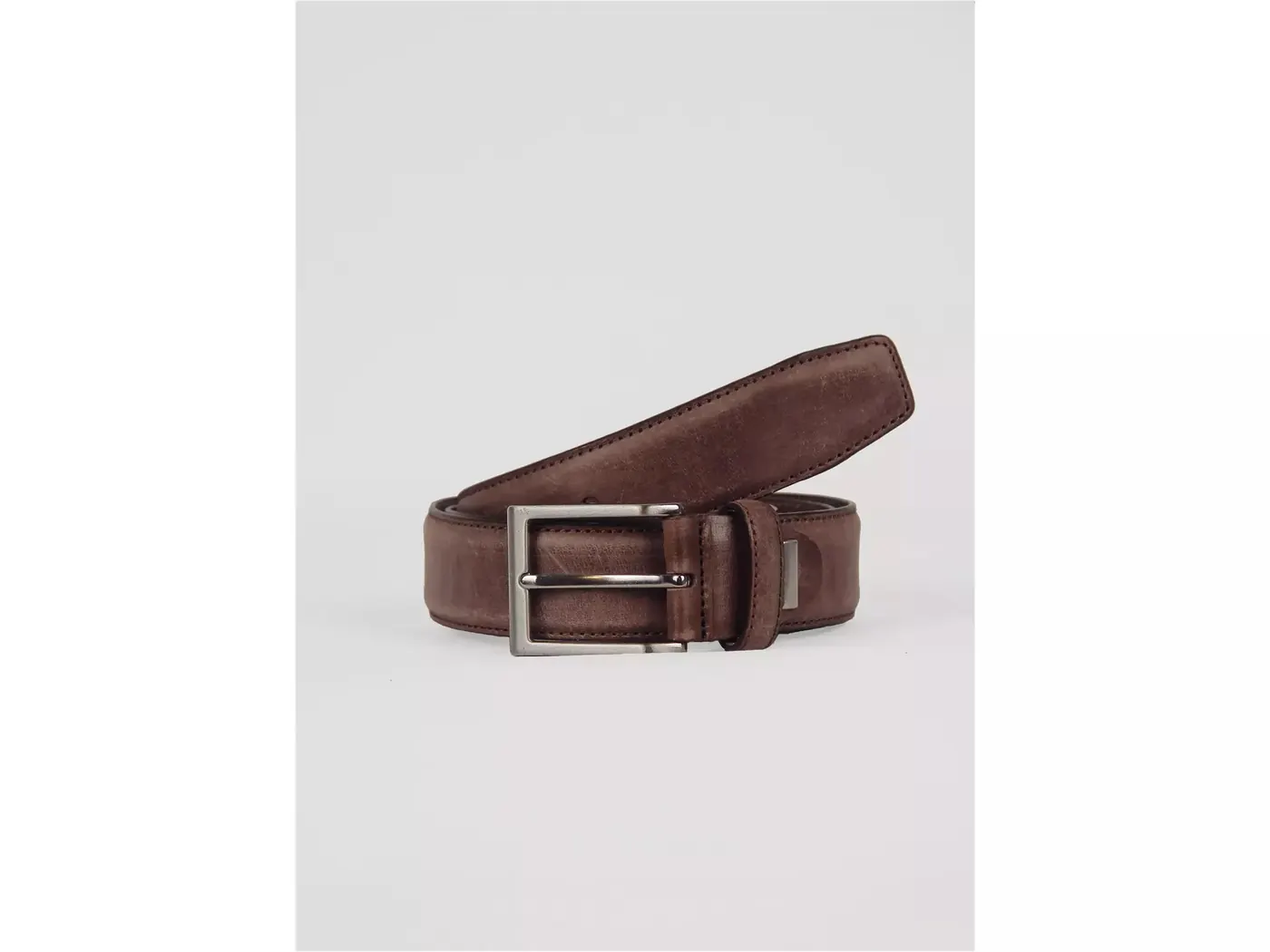
Sustainable Leather Belts Eco Friendly Wholesale Options
SUSTAINABLE LEATHER BELTS – ECO-FRIENDLY WHOLESALE OPTIONS
Sustainable Leather Belts Eco Friendly Wholesale Options
SUSTAINABLE LEATHER BELTS – ECO-FRIENDLY WHOLESALE OPTIONSWHAT SUSTAINABLE LEATHER BELTS ARE AND WHY THEY MATTERSustainable leather belts refer to belts produced using more responsible raw materials and manufacturing processes that aim to reduce environmental impact. This approach is not only about protecting the environment. It also strengthens brand reputation, increases customer loyalty, and directly influences purchasing decisions, especially in European markets.Today’s consumers are not only interested in product quality but also in how and under what conditions products are made. For companies buying wholesale belts, sustainability is no longer an optional feature but a key competitive advantage in many markets. In countries such as Germany, the Netherlands, and Austria, eco-friendly products can be just as important as price.WHY SUSTAINABILITY IS STRATEGIC IN WHOLESALE BELT SOURCINGFor companies sourcing wholesale belts, sustainable production is a strategic factor in both sales and operational planning. Large buyers, retail chains, and e-commerce brands aim to minimize supply chain risks. Manufacturers with strong sustainability practices often operate with greater transparency, maintain more consistent quality standards, and offer long-term supply reliability.Key reasons why sustainable leather belts stand out in wholesale sourcing include:Growing demand for eco-friendly products in European marketsStronger brand perception and positioningReduced return rates due to longer product lifespanIncreased expectations for supply chain transparencyIn this context, the Merter wholesale belt production ecosystem offers flexibility through strong production capacity and a wide range of material alternatives.MATERIALS USED IN SUSTAINABLE LEATHER BELT PRODUCTIONSustainability goes beyond the leather itself. Buckles, linings, stitching, dyes, and packaging all contribute to environmental impact. Eco-friendly belt production therefore requires a holistic approach covering the entire product.RECYCLED LEATHER AND REGENERATED MATERIALSRecycled leather is produced by reprocessing leather offcuts generated during manufacturing. This method reduces waste and lowers raw material consumption. For companies buying wholesale belts, recycled leather provides an effective option for creating eco-conscious collections.VEGETABLE-TANNED LEATHERVegetable tanning uses plant-based tannins instead of chemical-heavy processes. When properly applied, this method reduces environmental impact and creates a more natural product perception. Vegetable-tanned leather is often preferred by brands targeting the premium sustainable segment.WATER-BASED DYES AND REDUCED CHEMICAL USEDyes and surface treatments play a major role in sustainability. Water-based dyes contain fewer volatile organic compounds compared to solvent-based alternatives, making them more environmentally friendly during both production and use.RECYCLABLE BUCKLES AND METAL COMPONENTSBuckles are one of the most visible components of a belt. In sustainable collections, recycled metals, durable coatings, and corrosion-resistant materials are commonly used. These choices extend product lifespan and reduce environmental impact.HOW WHOLESALE BELT PRICES ARE SHAPED IN SUSTAINABLE COLLECTIONSWholesale belt prices in sustainable collections may differ from standard models due to material choices and production processes. However, total cost should be evaluated beyond manufacturing expenses alone.Factors affecting wholesale belt prices for sustainable leather belts include:Sourcing methods and certified materialsType of dyes and surface treatmentsQuality control intensity during productionPackaging and labeling choicesOrder volumeWhen positioned correctly, sustainable products can be sold at higher price points, allowing brands to achieve stronger profit margins.ADVANTAGES OF WORKING WITH A MERTER BELT MANUFACTURER FOR SUSTAINABLE PRODUCTIONMerter belt manufacturers have the infrastructure to manage multiple materials and production techniques simultaneously. This allows sustainable collections to be planned flexibly. Istanbul’s logistics advantages also enable fast delivery to European markets.Key benefits of choosing a Merter-based manufacturer include:Fast sample developmentAccess to multiple eco-friendly material optionsStrong export experienceProduction stability for high-volume ordersLider Kemer has a monthly production capacity of 150,000 belts.This capacity allows sustainable collections to be produced at scale without compromising delivery timelines.HOW TO PLAN SUSTAINABLE MEN’S AND WOMEN’S BELT COLLECTIONSBrands aiming to introduce sustainable collections typically follow one of two approaches. Some integrate eco-friendly models into their main collections, while others create separate sustainable sub-collections. In both cases, product variety and sales channel strategy are critical.To explore men’s belt models:https://www.liderkemer.com/en/products/mens-beltTo explore women’s belt models:https://www.liderkemer.com/en/products/womens-beltMen’s collections usually focus on classic and casual belts made with sustainable leather or recycled materials. Women’s collections emphasize buckle details, color variety, and slimmer belt designs.PACKAGING, LABELING, AND ECO-FRIENDLY PRESENTATIONIn sustainable products, packaging is as important as the product itself. European consumers in particular expect eco-friendly products to be presented with environmentally responsible packaging.Key considerations for wholesale belt packaging include:Use of recyclable boxes and labelsAvoidance of unnecessary plasticClear and concise product storytelling on labelsCountry-specific barcode and labeling standardsQUALITY CONTROL AND DETAILS THAT EXTEND PRODUCT LIFESPANSustainability is not only about material selection but also about durability. Longer-lasting products generate less waste and reduce environmental impact.Key quality factors in sustainable leather belts include:Strength and consistency of stitchingDurability of buckle coatingsResistance of leather to crackingColor stability and surface treatment qualityThese factors help reduce return rates and post-sale costs for wholesale buyers.SALES CHANNEL STRATEGY FOR WHOLESALE SUSTAINABLE BELTSSustainable belts can be positioned differently across sales channels. In e-commerce, product storytelling and visuals play a major role. In physical retail, labeling and shelf presentation become more important.Many wholesale buyers choose to gradually integrate sustainable models into their main collections, expanding based on demand. This approach minimizes stock risk while strengthening eco-friendly brand perception.Frequently Asked QuestionsWhat is the difference between sustainable leather belts and standard leather beltsSustainable leather belts are produced using materials and processes that reduce environmental impact and prioritize longer product lifespan.Are wholesale belt prices higher for sustainable collectionsSome materials and processes may increase costs, but proper positioning often allows higher retail prices and better profit margins.Are Merter wholesale belt manufacturers suitable for sustainable collectionsYes, Merter manufacturers have the infrastructure and material options required for sustainable production.Which materials are commonly used in sustainable leather beltsRecycled leather, vegetable-tanned leather, water-based dyes, and recyclable metal buckles are commonly used.Can large-volume sustainable belt orders be producedYes, with proper production planning, high-volume orders are possible. Lider Kemer has a monthly production capacity of 150,000 belts.
WHAT SUSTAINABLE LEATHER BELTS ARE AND WHY THEY MATTER
Sustainable leather belts refer to belts produced using more responsible raw materials and manufacturing processes that aim to reduce environmental impact. This approach is not only about protecting the environment. It also strengthens brand reputation, increases customer loyalty, and directly influences purchasing decisions, especially in European markets.
Today’s consumers are not only interested in product quality but also in how and under what conditions products are made. For companies buying wholesale belts, sustainability is no longer an optional feature but a key competitive advantage in many markets. In countries such as Germany, the Netherlands, and Austria, eco-friendly products can be just as important as price.
WHY SUSTAINABILITY IS STRATEGIC IN WHOLESALE BELT SOURCING
For companies sourcing wholesale belts, sustainable production is a strategic factor in both sales and operational planning. Large buyers, retail chains, and e-commerce brands aim to minimize supply chain risks. Manufacturers with strong sustainability practices often operate with greater transparency, maintain more consistent quality standards, and offer long-term supply reliability.
Key reasons why sustainable leather belts stand out in wholesale sourcing include:
Growing demand for eco-friendly products in European markets
Growing demand for eco-friendly products in European markets
Stronger brand perception and positioning
Stronger brand perception and positioning
Reduced return rates due to longer product lifespan
Reduced return rates due to longer product lifespan
Increased expectations for supply chain transparency
Increased expectations for supply chain transparency
In this context, the Merter wholesale belt production ecosystem offers flexibility through strong production capacity and a wide range of material alternatives.
MATERIALS USED IN SUSTAINABLE LEATHER BELT PRODUCTION
Sustainability goes beyond the leather itself. Buckles, linings, stitching, dyes, and packaging all contribute to environmental impact. Eco-friendly belt production therefore requires a holistic approach covering the entire product.
RECYCLED LEATHER AND REGENERATED MATERIALS
Recycled leather is produced by reprocessing leather offcuts generated during manufacturing. This method reduces waste and lowers raw material consumption. For companies buying wholesale belts, recycled leather provides an effective option for creating eco-conscious collections.
VEGETABLE-TANNED LEATHER
Vegetable tanning uses plant-based tannins instead of chemical-heavy processes. When properly applied, this method reduces environmental impact and creates a more natural product perception. Vegetable-tanned leather is often preferred by brands targeting the premium sustainable segment.
WATER-BASED DYES AND REDUCED CHEMICAL USE
Dyes and surface treatments play a major role in sustainability. Water-based dyes contain fewer volatile organic compounds compared to solvent-based alternatives, making them more environmentally friendly during both production and use.
RECYCLABLE BUCKLES AND METAL COMPONENTS
Buckles are one of the most visible components of a belt. In sustainable collections, recycled metals, durable coatings, and corrosion-resistant materials are commonly used. These choices extend product lifespan and reduce environmental impact.
HOW WHOLESALE BELT PRICES ARE SHAPED IN SUSTAINABLE COLLECTIONS
Wholesale belt prices in sustainable collections may differ from standard models due to material choices and production processes. However, total cost should be evaluated beyond manufacturing expenses alone.
Factors affecting wholesale belt prices for sustainable leather belts include:
Sourcing methods and certified materials
Sourcing methods and certified materials
Type of dyes and surface treatments
Type of dyes and surface treatments
Quality control intensity during production
Quality control intensity during production
Packaging and labeling choices
Packaging and labeling choices
When positioned correctly, sustainable products can be sold at higher price points, allowing brands to achieve stronger profit margins.
ADVANTAGES OF WORKING WITH A MERTER BELT MANUFACTURER FOR SUSTAINABLE PRODUCTION
Merter belt manufacturers have the infrastructure to manage multiple materials and production techniques simultaneously. This allows sustainable collections to be planned flexibly. Istanbul’s logistics advantages also enable fast delivery to European markets.
Key benefits of choosing a Merter-based manufacturer include:
Fast sample development
Fast sample development
Access to multiple eco-friendly material options
Access to multiple eco-friendly material options
Strong export experience
Strong export experience
Production stability for high-volume orders
Production stability for high-volume orders
Lider Kemer has a monthly production capacity of 150,000 belts.
This capacity allows sustainable collections to be produced at scale without compromising delivery timelines.
HOW TO PLAN SUSTAINABLE MEN’S AND WOMEN’S BELT COLLECTIONS
Brands aiming to introduce sustainable collections typically follow one of two approaches. Some integrate eco-friendly models into their main collections, while others create separate sustainable sub-collections. In both cases, product variety and sales channel strategy are critical.
To explore men’s belt models:https://www.liderkemer.com/en/products/mens-belt
To explore women’s belt models:https://www.liderkemer.com/en/products/womens-belt
Men’s collections usually focus on classic and casual belts made with sustainable leather or recycled materials. Women’s collections emphasize buckle details, color variety, and slimmer belt designs.
PACKAGING, LABELING, AND ECO-FRIENDLY PRESENTATION
In sustainable products, packaging is as important as the product itself. European consumers in particular expect eco-friendly products to be presented with environmentally responsible packaging.
Key considerations for wholesale belt packaging include:
Use of recyclable boxes and labels
Use of recyclable boxes and labels
Avoidance of unnecessary plastic
Avoidance of unnecessary plastic
Clear and concise product storytelling on labels
Clear and concise product storytelling on labels
Country-specific barcode and labeling standards
Country-specific barcode and labeling standards
QUALITY CONTROL AND DETAILS THAT EXTEND PRODUCT LIFESPAN
Sustainability is not only about material selection but also about durability. Longer-lasting products generate less waste and reduce environmental impact.
Key quality factors in sustainable leather belts include:
Strength and consistency of stitching
Strength and consistency of stitching
Durability of buckle coatings
Durability of buckle coatings
Resistance of leather to cracking
Resistance of leather to cracking
Color stability and surface treatment quality
Color stability and surface treatment quality
These factors help reduce return rates and post-sale costs for wholesale buyers.
SALES CHANNEL STRATEGY FOR WHOLESALE SUSTAINABLE BELTS
Sustainable belts can be positioned differently across sales channels. In e-commerce, product storytelling and visuals play a major role. In physical retail, labeling and shelf presentation become more important.
Many wholesale buyers choose to gradually integrate sustainable models into their main collections, expanding based on demand. This approach minimizes stock risk while strengthening eco-friendly brand perception.
Frequently Asked Questions
What is the difference between sustainable leather belts and standard leather belts
Sustainable leather belts are produced using materials and processes that reduce environmental impact and prioritize longer product lifespan.
Are wholesale belt prices higher for sustainable collections
Some materials and processes may increase costs, but proper positioning often allows higher retail prices and better profit margins.
Are Merter wholesale belt manufacturers suitable for sustainable collections
Yes, Merter manufacturers have the infrastructure and material options required for sustainable production.
Which materials are commonly used in sustainable leather belts
Recycled leather, vegetable-tanned leather, water-based dyes, and recyclable metal buckles are commonly used.
Can large-volume sustainable belt orders be produced
Yes, with proper production planning, high-volume orders are possible. Lider Kemer has a monthly production capacity of 150,000 belts.
+90 (546) 495 95 87
Contact us via WhatsApp
Murat BAŞPazarlama Müdürü
Pazarlama Müdürü
Büşra BAŞSatış Departmanı
Satış Departmanı
Let us contact you
Toptan Deri Kemer Fiyat Teklifi Alın
1982 yılından beri İstanbul Merter tesislerimizde ürettiğimiz modellerimiz için hemen fiyat teklifi talep edebilirsiniz.