
Wholesale Leather Belt Manufacturer 150000 Capacity Fast EU Shipping Turkey Alternative To China
Wholesale leather belt manufacturer in Istanbul with 150,000 monthly capacity. Fast EU shipping, high volume production, private label belt manufacturing and Turkey alternative to China for European B2B customers.
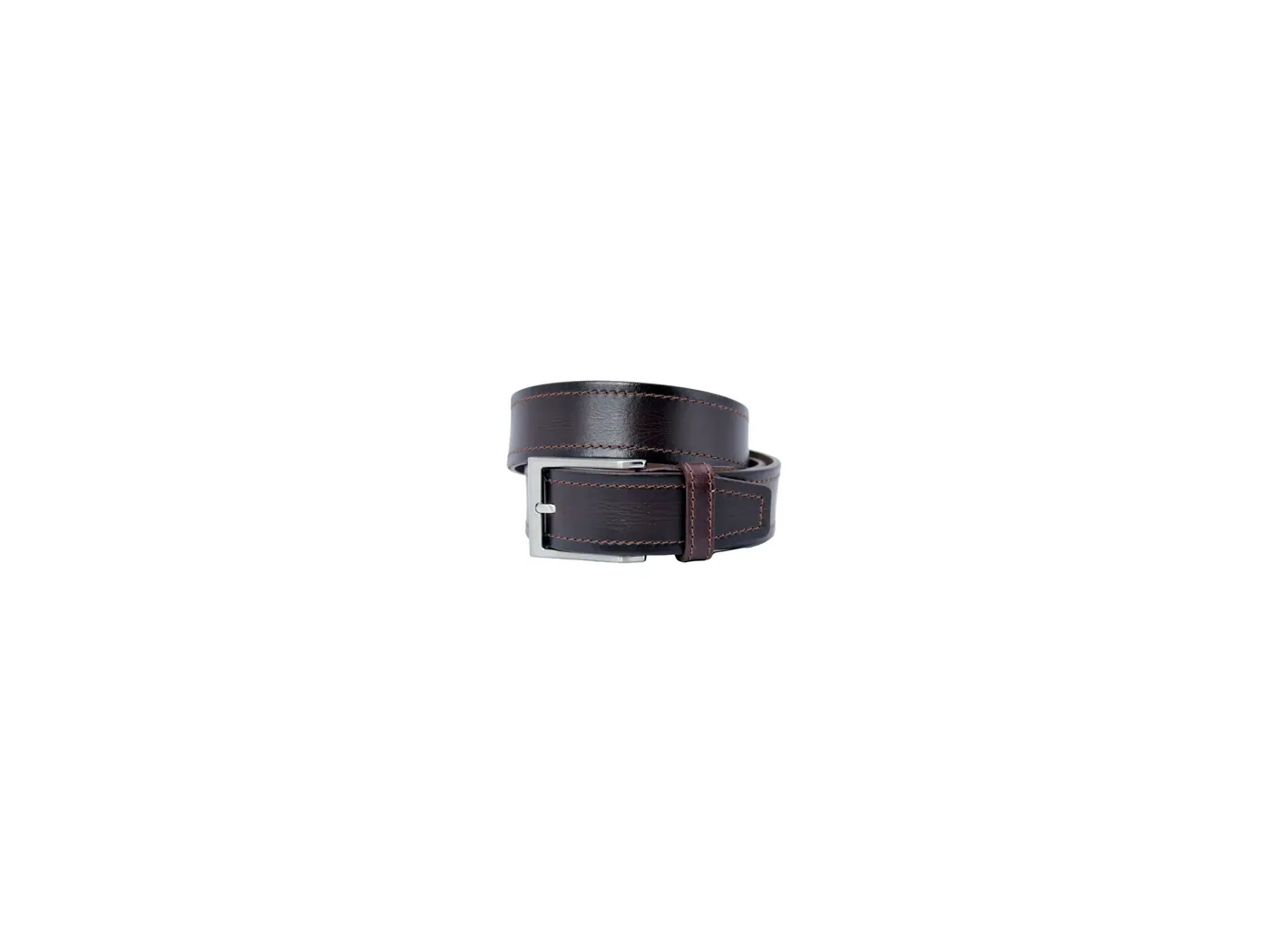
Wholesale Leather Belt Manufacturer 150000 Capacity Fast EU Shipping Turkey Alternative To China
Wholesale Leather Belt Manufacturer 150000 Capacity Fast EU Shipping Turkey Alternative To China
Wholesale Leather Belt Manufacturer 150000 Capacity Fast EU Shipping Turkey Alternative To China
Wholesale Leather Belt Manufacturer 150000 Capacity Fast EU Shipping Turkey Alternative To ChinaWholesale Leather Belt Manufacturer in Turkey150,000 Monthly Capacity –Fast EU Shipping–Alternative to ChinaThe global accessories market is increasingly focused on speed, production stability, and supply chain security. For European brands and distributors, selecting the right wholesale leather belt manufacturer is no longer based solely on price. Production capacity, delivery time, flexibility in MOQ, and long-term reliability have become decisive factors.Located in Istanbul Merter, one of the most important production hubs of the Turkey leather industry, Lider Kemer operates as a leather belt factory Turkey with41 years experience, high volume production capacity and structured B2B export operations. With a150,000 monthly capacity, fast EU shipping solutions and scalable OEM/ODM manufacturing, the company positions itself as a strongalternative to Chinafor European buyers.Istanbul Leather Belt Manufacturer – Strategic Production LocationIstanbul Merter is widely recognized as a center for textile and accessory production. As anIstanbul leather belt manufacturer, operating from this region provides major advantages:Direct access to raw material suppliersSkilled workforce specialized in leather craftsmanshipIntegrated logistics networksRapid prototype developmentFlexible contract manufacturing capabilityBeing positioned in Istanbul enables efficientexport to Europe, especially to Germany and other EU markets where delivery speed and supply continuity are critical.150,000 Monthly Capacity – High Volume Production InfrastructureA150,000 monthly capacityis not simply a production figure; it reflects an organized manufacturing structure supported by modern technology and systematic quality control.Production structure includes:Genuine leather belt production linesPU leather beltproduction linesAutomatic beltassembly unitsClassic beltmanufacturing linesCasual belt production systemsThe factory operates with a documenteddaily production capacityplan, allowing structured scheduling for large-scale B2B customer orders.This level ofhigh volume productionallows:Large retail chain supplyEuropean distributor partnershipsSeasonal collection scalabilityPrivate label belt manufacturing programsGenuine Leather Belt ManufacturingThe premium segment of the European market continues to prioritize genuine leather belt products. Production focuses on durability, structural integrity and refined finishing.Leather types used:Cowhide leatherCalf leatherBuffalo leatherPremium Turkish leatherEach belt undergoes:Leather gradingPrecision cuttingEdge finishingStitch reinforcementBuckle installationFinal quality controlDetailed comparison between genuine leather belt and PU leather belt:https://www.liderkemer.com/en/blog-2/differences-between-genuine-leather-belts-and-pu-leather-beltsThe goal is to provide long lifecycle performance aligned with European expectations.PU Leather Belt Production for Volume SegmentsIn addition to genuine leather, PU leather belt production plays a significant role in serving mid-range and price-sensitive retail channels.Advantages include:Lower material costEfficient contract belt manufacturingScalable production volumeCompetitive price positioningWholesale comparison reference:https://www.liderkemer.com/en/european-wholesale-belt-manufacturer/pu-leather-belt-vs-genuine-leather-belt-wholesalePU belts allow buyers to maintain flexibility in seasonal programs while ensuring consistent supply.Men’s and Women’s Leather Belt CollectionsThe men’s leather belt category represents the highest export volume to Europe. Strong-performing models include:Black classic beltFormal dress beltAutomatic belt systemsCasual belt modelsMen’s collection reference:https://www.liderkemer.com/en/products/mens-beltWomen’s leather belt collections are increasingly important in fashion-driven retail programs. Production includes:Slim beltsFashion-oriented buckle designsSeasonal color variationsBoth genuine and PU leather optionsFast EU Shipping– European Delivery Leather BeltsFast delivery has become a strategic advantage over Asian suppliers. The factory’s proximity to Europe enables:Fast EU shippingEuropean delivery leather belts within short transit timesRoad freight delivery within 5–8 daysAir freight for urgent programsThis significantly reduces supply chain risk compared to long-distance production models.For European B2B customers, especially in Germany, shorter delivery windows improve inventory turnover and reduce warehousing pressure.MOQ 200–300 Pieces – Flexible Production ModelUnlike many large-scale manufacturers requiring high minimum order quantities, the factory operates with a flexibleMOQ 200-300 piecesstructure.This allows:Small brand entry programsPilot collection testingFast seasonal adjustmentsStructured private label belt programsFlexibility is essential for European fashion cycles where rapid design changes occur.Modern Technology and Quality ControlHigh capacity production is supported by:Computerized cutting systemsAutomated edge painting machinesBuckle durability testing unitsDigital quality control trackingEvery belt passes multiplequality controlstages before packaging.This structured approach supports the brand positioning as a reliablebelt manufacturerandwholesale belt supplierfor European markets.Turkey as an Alternative to ChinaThe global shift toward diversified supply chains has accelerated demand for production alternatives to China.Turkey offers:Geographic proximity to EuropeFaster transit timesLower logistics riskEasier communicationFlexible production planningCompetitive price structureThe combination ofTurkish quality, premium leather sourcing and structured manufacturing creates a strong alternative sourcing model.Sustainable Manufacturing ApproachSustainable manufacturing practices are integrated into production planning.Focus areas include:Efficient material utilizationWaste management controlLong lifecycle product designResponsible sourcingSustainability increases brand value in European markets.In the European B2B market, large production numbers alone are not enough. Buyers expect pricing transparency, structured supply agreements, technical consistency and reliable communication. A leather belt factory Turkey serving European distributors must combinehigh volume production, flexible MOQs and stable quality control systems.Competitive Price Structure and Cost EfficiencyA sustainablecompetitive pricemodel is based on scale, raw material sourcing efficiency and production planning discipline.Genuine Leather Belt Pricing FactorsThe pricing of a genuine leather belt depends on:Leather grade (Full Grain, Top Grain, Split)Leather thicknessTanning methodBuckle material (zinc alloy, stainless steel, brass)Stitch densityEdge finishing qualityOrder volumePremium leather grades position the product in higher retail segments. However, with150,000 monthly capacity, scale efficiency allows premium positioning while maintaining cost balance.For European B2B customers, price stability over long-term contracts is often more important than temporary discounts.PU Leather Belt Pricing StructurePU leather belt production allows further cost optimization in high-volume orders.Price variables include:PU coating thicknessBase material strengthEmbossing complexityProduction volumePackaging customizationLarge retail chains benefit from scalablehigh volume productionthat reduces per-unit cost significantly.Wholesale comparison reference:https://www.liderkemer.com/en/european-wholesale-belt-manufacturer/pu-leather-belt-vs-genuine-leather-belt-wholesalePrivate Label Belt ManufacturingPrivate label belt programs represent a significant portion of European sourcing models.The factory offers structuredprivate label beltservices including:Logo embossing on leatherCustom buckle designBranded box packagingCustom packaging for retail presentationBarcode and labeling systemsPrivate label projects strengthen brand identity while ensuring production consistency.OEM Belt ManufacturingOEM belt manufacturing allows brands to submit technical files and receive structured production aligned with exact specifications.OEM services include:Sample developmentMaterial sourcing according to brand standardsSize standardizationBuckle quality compliancePackaging according to retail guidelinesThis model is especially attractive for established European brands seeking stablecontract belt manufacturingsolutions.ODM Belt ManufacturingODM belt manufacturing supports brands that require design assistance.Services include:Trend-based model developmentMarket-driven collection planningPrototype presentationSample testingDesign refinementODM capability reduces development time for new brands entering the European accessories market.Contract Belt Manufacturing for Large RetailersLarge retail chains require structured contract manufacturing models.Key features include:Annual framework agreementsVolume-based pricing tiersSeasonal program alignmentFlexible MOQ 200–300 pieces for pilot programsScalable expansion for larger quantitiesThe combination of flexibility and capacity strengthens the positioning as a reliablewholesale belt supplier.150,000 Monthly Capacity – Technical BreakdownMaintaining150,000 monthly capacityrequires a structured operational system.Core components include:Multiple parallel production linesDedicated genuine leather and PU unitsAutomated cutting systemsBuckle assembly stationsDigital inventory controlIntegrated quality control checkpointsDaily production capacity is monitored and optimized to prevent bottlenecks.This structured system supports:High volume productionFast seasonal replenishmentMulti-brand production schedulingGermany-Focused Distribution StrategyGermany remains one of the largest markets in Europe for leather accessories.Export to Europe operations prioritize:Road freight optimizationFast EU shipping to GermanyConsistent reorder schedulingInventory alignment with distributor cyclesThe short transit time from Turkey provides a major advantage compared to Asian production centers.Fast Delivery from StockA structured warehouse system enables:Fast delivery from stockReduced lead time for repeat ordersEmergency replenishment shipmentsLower inventory risk for distributorsThis strengthens trust among European B2B customers.Quality Craftsmanship and Turkish QualityQuality craftsmanship remains central to long-term commercial success.The factory emphasizes:Premium Turkish leather sourcingReinforced stitchingDurable buckle integrationMulti-stage quality controlTurkish quality perception in the European market continues to strengthen, particularly in the leather goods segment.Sustainable Manufacturing IntegrationSustainable manufacturing is integrated into production planning.Focus areas include:Material waste reductionLong lifecycle product constructionResponsible supplier partnershipsEfficient resource utilizationSustainability improves compliance with European retail standards and enhances brand positioning.Wholesale Leather Belt Manufacturer in Turkey150,000 Monthly Capacity – Fast EU Shipping – Alternative to ChinaIn today’s global sourcing environment, European buyers are redefining their supply chain strategies. Long transit times, fluctuating freight costs and geopolitical risks have accelerated the search for reliable production partners closer to Europe. Within this context, a leather belt factory Turkey with high volume production, structured quality control and fast EU shipping capacity offers a competitive sourcing alternative.Turkey vs. China – Strategic Supply Chain ComparisonFor many years, China dominated large-scale accessory manufacturing. However, European brands are increasingly diversifying suppliers to reduce risk and improve flexibility.Logistics and Delivery TimeChina-based production:Long sea freight transit (30–45 days)Higher freight cost volatilityLarger inventory requirementsTurkey-based production:Road freight to Europe in 5–8 daysFast EU shippingLower inventory holding pressureFaster seasonal restockingShorter transit time improves stock rotation and reduces capital lock-in for European distributors.Flexibility in MOQ and Production PlanningLarge Asian manufacturers often require high minimum order quantities. In contrast, the factory operates with aMOQ 200–300 piecesmodel.Advantages for B2B customers:Entry-level brand programsCollection testing before scalingSeasonal capsule releasesReduced financial riskOnce demand scales, the150,000 monthly capacityenables seamless expansion.Risk Reduction and Communication EfficiencyTurkey’s geographic and cultural proximity to Europe improves operational efficiency.Benefits include:Easier communicationFaster sample approval cyclesFlexible production adjustmentsReduced supply chain disruptionFor European B2B customers, reduced operational complexity directly impacts profitability.Long-Term Profitability Model for European BuyersWhen comparing sourcing options, total cost of ownership is more important than unit price.Key Profitability DriversShorter lead timesLower warehousing costFaster replenishment cyclesReduced overstock riskStable quality controlHigh volume production combined with fast EU shipping creates a dynamic replenishment system aligned with European retail cycles.Positioning as a Global Wholesale Leather Belt ManufacturerOperating as awholesale leather belt manufacturer, the factory integrates:Genuine leather belt productionPU leather belt productionPrivate label belt programsOEM belt manufacturingODM belt manufacturingContract belt manufacturingThis multi-structure capability allows servicing:Retail chainsDistributorsFashion brandsE-commerce sellersCorporate procurement programsProduct Portfolio StrengthThe production portfolio includes:Men’s Leather BeltBlack classic beltFormal dress beltAutomatic belt systemsCasual belt designsMen’s collection reference:https://www.liderkemer.com/en/products/mens-beltWomen’s Leather BeltSlim fashion beltsPremium leather finishesSeasonal color variationsElegant buckle optionsBoth segments are available in genuine leather belt and PU leather belt variations.150,000 Monthly Capacity – Commercial ImpactA stable150,000 monthly capacityprovides:Supply continuity for large retail programsVolume security for distributorsScalability for private label expansionsStability in annual contract productionThe structured daily production capacity ensures operational efficiency and predictable delivery timelines.Quality Control SystemQuality control is implemented in multiple stages:Raw material inspectionCutting precision verificationStitch durability testingBuckle strength testingFinal inspection before packagingThis systematic approach strengthens the factory’s position as a reliable belt manufacturer within the Turkey leather industry.Sustainable Manufacturing AdvantageSustainable manufacturing practices support European retail expectations.Focus areas include:Responsible sourcingEfficient material usageLong lifecycle product constructionWaste management systemsSustainability strengthens brand positioning in European markets where environmental responsibility influences purchasing decisions.European Market Focus – Germany and BeyondGermany remains one of the strongest destinations for export to Europe.Operational advantages include:Fast EU shipping to GermanyEuropean delivery leather belts within short lead timesFlexible reorder schedulingReduced inventory riskThe combination of premium Turkish leather, quality craftsmanship and competitive price positioning reinforces commercial stability.Commercial ConclusionA structured leather belt factory Turkey offering:41 years experience150,000 monthly capacityFast delivery from stockMOQ 200–300 piecesHigh volume productionCompetitive pricePrivate label and OEM flexibilitycreates a strong sourcing model for European B2B customers seeking an alternative to China.By integrating Turkish quality, modern technology and reliable logistics, the factory positions itself as a long-term wholesale belt supplier for Europe.
Wholesale Leather Belt Manufacturer in Turkey
150,000 Monthly Capacity –Fast EU Shipping–Alternative to China
The global accessories market is increasingly focused on speed, production stability, and supply chain security. For European brands and distributors, selecting the right wholesale leather belt manufacturer is no longer based solely on price. Production capacity, delivery time, flexibility in MOQ, and long-term reliability have become decisive factors.
Located in Istanbul Merter, one of the most important production hubs of the Turkey leather industry, Lider Kemer operates as a leather belt factory Turkey with41 years experience, high volume production capacity and structured B2B export operations. With a150,000 monthly capacity, fast EU shipping solutions and scalable OEM/ODM manufacturing, the company positions itself as a strongalternative to Chinafor European buyers.
Istanbul Leather Belt Manufacturer – Strategic Production Location
Istanbul Merter is widely recognized as a center for textile and accessory production. As anIstanbul leather belt manufacturer, operating from this region provides major advantages:
Direct access to raw material suppliers
Direct access to raw material suppliers
Skilled workforce specialized in leather craftsmanship
Skilled workforce specialized in leather craftsmanship
Integrated logistics networks
Integrated logistics networks
Rapid prototype development
Rapid prototype development
Flexible contract manufacturing capability
Flexible contract manufacturing capability
Being positioned in Istanbul enables efficientexport to Europe, especially to Germany and other EU markets where delivery speed and supply continuity are critical.
150,000 Monthly Capacity – High Volume Production Infrastructure
A150,000 monthly capacityis not simply a production figure; it reflects an organized manufacturing structure supported by modern technology and systematic quality control.
Production structure includes:
Genuine leather belt production lines
Genuine leather belt production lines
PU leather beltproduction lines
PU leather beltproduction lines
Automatic beltassembly units
Automatic beltassembly units
Classic beltmanufacturing lines
Classic beltmanufacturing lines
Casual belt production systems
Casual belt production systems
The factory operates with a documenteddaily production capacityplan, allowing structured scheduling for large-scale B2B customer orders.
This level ofhigh volume productionallows:
Large retail chain supply
Large retail chain supply
European distributor partnerships
European distributor partnerships
Seasonal collection scalability
Seasonal collection scalability
Private label belt manufacturing programs
Private label belt manufacturing programs
Genuine Leather Belt Manufacturing
The premium segment of the European market continues to prioritize genuine leather belt products. Production focuses on durability, structural integrity and refined finishing.
Leather types used:
Premium Turkish leather
Premium Turkish leather
Each belt undergoes:
Precision cutting
Precision cutting
Stitch reinforcement
Stitch reinforcement
Buckle installation
Buckle installation
Final quality control
Final quality control
Detailed comparison between genuine leather belt and PU leather belt:https://www.liderkemer.com/en/blog-2/differences-between-genuine-leather-belts-and-pu-leather-belts
The goal is to provide long lifecycle performance aligned with European expectations.
PU Leather Belt Production for Volume Segments
In addition to genuine leather, PU leather belt production plays a significant role in serving mid-range and price-sensitive retail channels.
Advantages include:
Lower material cost
Lower material cost
Efficient contract belt manufacturing
Efficient contract belt manufacturing
Scalable production volume
Scalable production volume
Competitive price positioning
Competitive price positioning
Wholesale comparison reference:https://www.liderkemer.com/en/european-wholesale-belt-manufacturer/pu-leather-belt-vs-genuine-leather-belt-wholesale
PU belts allow buyers to maintain flexibility in seasonal programs while ensuring consistent supply.
Men’s and Women’s Leather Belt Collections
The men’s leather belt category represents the highest export volume to Europe. Strong-performing models include:
Black classic belt
Black classic belt
Formal dress belt
Formal dress belt
Automatic belt systems
Automatic belt systems
Casual belt models
Casual belt models
Men’s collection reference:https://www.liderkemer.com/en/products/mens-belt
Women’s leather belt collections are increasingly important in fashion-driven retail programs. Production includes:
Fashion-oriented buckle designs
Fashion-oriented buckle designs
Seasonal color variations
Seasonal color variations
Both genuine and PU leather options
Both genuine and PU leather options
Fast EU Shipping– European Delivery Leather Belts
Fast delivery has become a strategic advantage over Asian suppliers. The factory’s proximity to Europe enables:
Fast EU shipping
Fast EU shipping
European delivery leather belts within short transit times
European delivery leather belts within short transit times
Road freight delivery within 5–8 days
Road freight delivery within 5–8 days
Air freight for urgent programs
Air freight for urgent programs
This significantly reduces supply chain risk compared to long-distance production models.
For European B2B customers, especially in Germany, shorter delivery windows improve inventory turnover and reduce warehousing pressure.
MOQ 200–300 Pieces – Flexible Production Model
Unlike many large-scale manufacturers requiring high minimum order quantities, the factory operates with a flexibleMOQ 200-300 piecesstructure.
Small brand entry programs
Small brand entry programs
Pilot collection testing
Pilot collection testing
Fast seasonal adjustments
Fast seasonal adjustments
Structured private label belt programs
Structured private label belt programs
Flexibility is essential for European fashion cycles where rapid design changes occur.
Modern Technology and Quality Control
High capacity production is supported by:
Computerized cutting systems
Computerized cutting systems
Automated edge painting machines
Automated edge painting machines
Buckle durability testing units
Buckle durability testing units
Digital quality control tracking
Digital quality control tracking
Every belt passes multiplequality controlstages before packaging.
This structured approach supports the brand positioning as a reliablebelt manufacturerandwholesale belt supplierfor European markets.
Turkey as an Alternative to China
The global shift toward diversified supply chains has accelerated demand for production alternatives to China.
Geographic proximity to Europe
Geographic proximity to Europe
Faster transit times
Faster transit times
Lower logistics risk
Lower logistics risk
Easier communication
Easier communication
Flexible production planning
Flexible production planning
Competitive price structure
Competitive price structure
The combination ofTurkish quality, premium leather sourcing and structured manufacturing creates a strong alternative sourcing model.
Sustainable Manufacturing Approach
Sustainable manufacturing practices are integrated into production planning.
Focus areas include:
Efficient material utilization
Efficient material utilization
Waste management control
Waste management control
Long lifecycle product design
Long lifecycle product design
Responsible sourcing
Responsible sourcing
Sustainability increases brand value in European markets.
In the European B2B market, large production numbers alone are not enough. Buyers expect pricing transparency, structured supply agreements, technical consistency and reliable communication. A leather belt factory Turkey serving European distributors must combinehigh volume production, flexible MOQs and stable quality control systems.
Competitive Price Structure and Cost Efficiency
A sustainablecompetitive pricemodel is based on scale, raw material sourcing efficiency and production planning discipline.
Genuine Leather Belt Pricing Factors
The pricing of a genuine leather belt depends on:
Leather grade (Full Grain, Top Grain, Split)
Leather grade (Full Grain, Top Grain, Split)
Leather thickness
Leather thickness
Buckle material (zinc alloy, stainless steel, brass)
Buckle material (zinc alloy, stainless steel, brass)
Edge finishing quality
Edge finishing quality
Premium leather grades position the product in higher retail segments. However, with150,000 monthly capacity, scale efficiency allows premium positioning while maintaining cost balance.
For European B2B customers, price stability over long-term contracts is often more important than temporary discounts.
PU Leather Belt Pricing Structure
PU leather belt production allows further cost optimization in high-volume orders.
Price variables include:
PU coating thickness
PU coating thickness
Base material strength
Base material strength
Embossing complexity
Embossing complexity
Production volume
Production volume
Packaging customization
Packaging customization
Large retail chains benefit from scalablehigh volume productionthat reduces per-unit cost significantly.
Wholesale comparison reference:https://www.liderkemer.com/en/european-wholesale-belt-manufacturer/pu-leather-belt-vs-genuine-leather-belt-wholesale
Private Label Belt Manufacturing
Private label belt programs represent a significant portion of European sourcing models.
The factory offers structuredprivate label beltservices including:
Logo embossing on leather
Logo embossing on leather
Custom buckle design
Custom buckle design
Branded box packaging
Branded box packaging
Custom packaging for retail presentation
Custom packaging for retail presentation
Barcode and labeling systems
Barcode and labeling systems
Private label projects strengthen brand identity while ensuring production consistency.
OEM Belt Manufacturing
OEM belt manufacturing allows brands to submit technical files and receive structured production aligned with exact specifications.
OEM services include:
Sample development
Sample development
Material sourcing according to brand standards
Material sourcing according to brand standards
Size standardization
Size standardization
Buckle quality compliance
Buckle quality compliance
Packaging according to retail guidelines
Packaging according to retail guidelines
This model is especially attractive for established European brands seeking stablecontract belt manufacturingsolutions.
ODM Belt Manufacturing
ODM belt manufacturing supports brands that require design assistance.
Services include:
Trend-based model development
Trend-based model development
Market-driven collection planning
Market-driven collection planning
Prototype presentation
Prototype presentation
Design refinement
Design refinement
ODM capability reduces development time for new brands entering the European accessories market.
Contract Belt Manufacturing for Large Retailers
Large retail chains require structured contract manufacturing models.
Key features include:
Annual framework agreements
Annual framework agreements
Volume-based pricing tiers
Volume-based pricing tiers
Seasonal program alignment
Seasonal program alignment
Flexible MOQ 200–300 pieces for pilot programs
Flexible MOQ 200–300 pieces for pilot programs
Scalable expansion for larger quantities
Scalable expansion for larger quantities
The combination of flexibility and capacity strengthens the positioning as a reliablewholesale belt supplier.
150,000 Monthly Capacity – Technical Breakdown
Maintaining150,000 monthly capacityrequires a structured operational system.
Core components include:
Multiple parallel production lines
Multiple parallel production lines
Dedicated genuine leather and PU units
Dedicated genuine leather and PU units
Automated cutting systems
Automated cutting systems
Buckle assembly stations
Buckle assembly stations
Digital inventory control
Digital inventory control
Integrated quality control checkpoints
Integrated quality control checkpoints
Daily production capacity is monitored and optimized to prevent bottlenecks.
This structured system supports:
High volume production
High volume production
Fast seasonal replenishment
Fast seasonal replenishment
Multi-brand production scheduling
Multi-brand production scheduling
Germany-Focused Distribution Strategy
Germany remains one of the largest markets in Europe for leather accessories.
Export to Europe operations prioritize:
Road freight optimization
Road freight optimization
Fast EU shipping to Germany
Fast EU shipping to Germany
Consistent reorder scheduling
Consistent reorder scheduling
Inventory alignment with distributor cycles
Inventory alignment with distributor cycles
The short transit time from Turkey provides a major advantage compared to Asian production centers.
Fast Delivery from Stock
A structured warehouse system enables:
Fast delivery from stock
Fast delivery from stock
Reduced lead time for repeat orders
Reduced lead time for repeat orders
Emergency replenishment shipments
Emergency replenishment shipments
Lower inventory risk for distributors
Lower inventory risk for distributors
This strengthens trust among European B2B customers.
Quality Craftsmanship and Turkish Quality
Quality craftsmanship remains central to long-term commercial success.
The factory emphasizes:
Premium Turkish leather sourcing
Premium Turkish leather sourcing
Reinforced stitching
Reinforced stitching
Durable buckle integration
Durable buckle integration
Multi-stage quality control
Multi-stage quality control
Turkish quality perception in the European market continues to strengthen, particularly in the leather goods segment.
Sustainable Manufacturing Integration
Sustainable manufacturing is integrated into production planning.
Focus areas include:
Material waste reduction
Material waste reduction
Long lifecycle product construction
Long lifecycle product construction
Responsible supplier partnerships
Responsible supplier partnerships
Efficient resource utilization
Efficient resource utilization
Sustainability improves compliance with European retail standards and enhances brand positioning.
Wholesale Leather Belt Manufacturer in Turkey
150,000 Monthly Capacity – Fast EU Shipping – Alternative to China
In today’s global sourcing environment, European buyers are redefining their supply chain strategies. Long transit times, fluctuating freight costs and geopolitical risks have accelerated the search for reliable production partners closer to Europe. Within this context, a leather belt factory Turkey with high volume production, structured quality control and fast EU shipping capacity offers a competitive sourcing alternative.
Turkey vs. China – Strategic Supply Chain Comparison
For many years, China dominated large-scale accessory manufacturing. However, European brands are increasingly diversifying suppliers to reduce risk and improve flexibility.
Logistics and Delivery Time
China-based production:
Long sea freight transit (30–45 days)
Long sea freight transit (30–45 days)
Higher freight cost volatility
Higher freight cost volatility
Larger inventory requirements
Larger inventory requirements
Turkey-based production:
Road freight to Europe in 5–8 days
Road freight to Europe in 5–8 days
Fast EU shipping
Fast EU shipping
Lower inventory holding pressure
Lower inventory holding pressure
Faster seasonal restocking
Faster seasonal restocking
Shorter transit time improves stock rotation and reduces capital lock-in for European distributors.
Flexibility in MOQ and Production Planning
Large Asian manufacturers often require high minimum order quantities. In contrast, the factory operates with aMOQ 200–300 piecesmodel.
Advantages for B2B customers:
Entry-level brand programs
Entry-level brand programs
Collection testing before scaling
Collection testing before scaling
Seasonal capsule releases
Seasonal capsule releases
Reduced financial risk
Reduced financial risk
Once demand scales, the150,000 monthly capacityenables seamless expansion.
Risk Reduction and Communication Efficiency
Turkey’s geographic and cultural proximity to Europe improves operational efficiency.
Benefits include:
Easier communication
Easier communication
Faster sample approval cycles
Faster sample approval cycles
Flexible production adjustments
Flexible production adjustments
Reduced supply chain disruption
Reduced supply chain disruption
For European B2B customers, reduced operational complexity directly impacts profitability.
Long-Term Profitability Model for European Buyers
When comparing sourcing options, total cost of ownership is more important than unit price.
Key Profitability Drivers
Shorter lead times
Shorter lead times
Lower warehousing cost
Lower warehousing cost
Faster replenishment cycles
Faster replenishment cycles
Reduced overstock risk
Reduced overstock risk
Stable quality control
Stable quality control
High volume production combined with fast EU shipping creates a dynamic replenishment system aligned with European retail cycles.
Positioning as a Global Wholesale Leather Belt Manufacturer
Operating as awholesale leather belt manufacturer, the factory integrates:
Genuine leather belt production
Genuine leather belt production
PU leather belt production
PU leather belt production
Private label belt programs
Private label belt programs
OEM belt manufacturing
OEM belt manufacturing
ODM belt manufacturing
ODM belt manufacturing
Contract belt manufacturing
Contract belt manufacturing
This multi-structure capability allows servicing:
E-commerce sellers
E-commerce sellers
Corporate procurement programs
Corporate procurement programs
Product Portfolio Strength
The production portfolio includes:
Men’s Leather Belt
Black classic belt
Black classic belt
Formal dress belt
Formal dress belt
Automatic belt systems
Automatic belt systems
Casual belt designs
Casual belt designs
Men’s collection reference:https://www.liderkemer.com/en/products/mens-belt
Women’s Leather Belt
Slim fashion belts
Slim fashion belts
Premium leather finishes
Premium leather finishes
Seasonal color variations
Seasonal color variations
Elegant buckle options
Elegant buckle options
Both segments are available in genuine leather belt and PU leather belt variations.
150,000 Monthly Capacity – Commercial Impact
A stable150,000 monthly capacityprovides:
Supply continuity for large retail programs
Supply continuity for large retail programs
Volume security for distributors
Volume security for distributors
Scalability for private label expansions
Scalability for private label expansions
Stability in annual contract production
Stability in annual contract production
The structured daily production capacity ensures operational efficiency and predictable delivery timelines.
Quality Control System
Quality control is implemented in multiple stages:
Raw material inspection
Raw material inspection
Cutting precision verification
Cutting precision verification
Stitch durability testing
Stitch durability testing
Buckle strength testing
Buckle strength testing
Final inspection before packaging
Final inspection before packaging
This systematic approach strengthens the factory’s position as a reliable belt manufacturer within the Turkey leather industry.
Sustainable Manufacturing Advantage
Sustainable manufacturing practices support European retail expectations.
Focus areas include:
Responsible sourcing
Responsible sourcing
Efficient material usage
Efficient material usage
Long lifecycle product construction
Long lifecycle product construction
Waste management systems
Waste management systems
Sustainability strengthens brand positioning in European markets where environmental responsibility influences purchasing decisions.
European Market Focus – Germany and Beyond
Germany remains one of the strongest destinations for export to Europe.
Operational advantages include:
Fast EU shipping to Germany
Fast EU shipping to Germany
European delivery leather belts within short lead times
European delivery leather belts within short lead times
Flexible reorder scheduling
Flexible reorder scheduling
Reduced inventory risk
Reduced inventory risk
The combination of premium Turkish leather, quality craftsmanship and competitive price positioning reinforces commercial stability.
Commercial Conclusion
A structured leather belt factory Turkey offering:
41 years experience
41 years experience
150,000 monthly capacity
150,000 monthly capacity
Fast delivery from stock
Fast delivery from stock
MOQ 200–300 pieces
MOQ 200–300 pieces
High volume production
High volume production
Competitive price
Competitive price
Private label and OEM flexibility
Private label and OEM flexibility
creates a strong sourcing model for European B2B customers seeking an alternative to China.
By integrating Turkish quality, modern technology and reliable logistics, the factory positions itself as a long-term wholesale belt supplier for Europe.
+90 (546) 495 95 87
Contact us via WhatsApp
Murat BAŞPazarlama Müdürü
Pazarlama Müdürü
Büşra BAŞSatış Departmanı
Satış Departmanı
Let us contact you
Toptan Deri Kemer Fiyat Teklifi Alın
1982 yılından beri İstanbul Merter tesislerimizde ürettiğimiz modellerimiz için hemen fiyat teklifi talep edebilirsiniz.