
Why Do Leather Belts Crack?
Why do leather belts crack? Real leather vs PU leather differences, cracking causes and prevention tips. Expert guide for long-lasting belts.
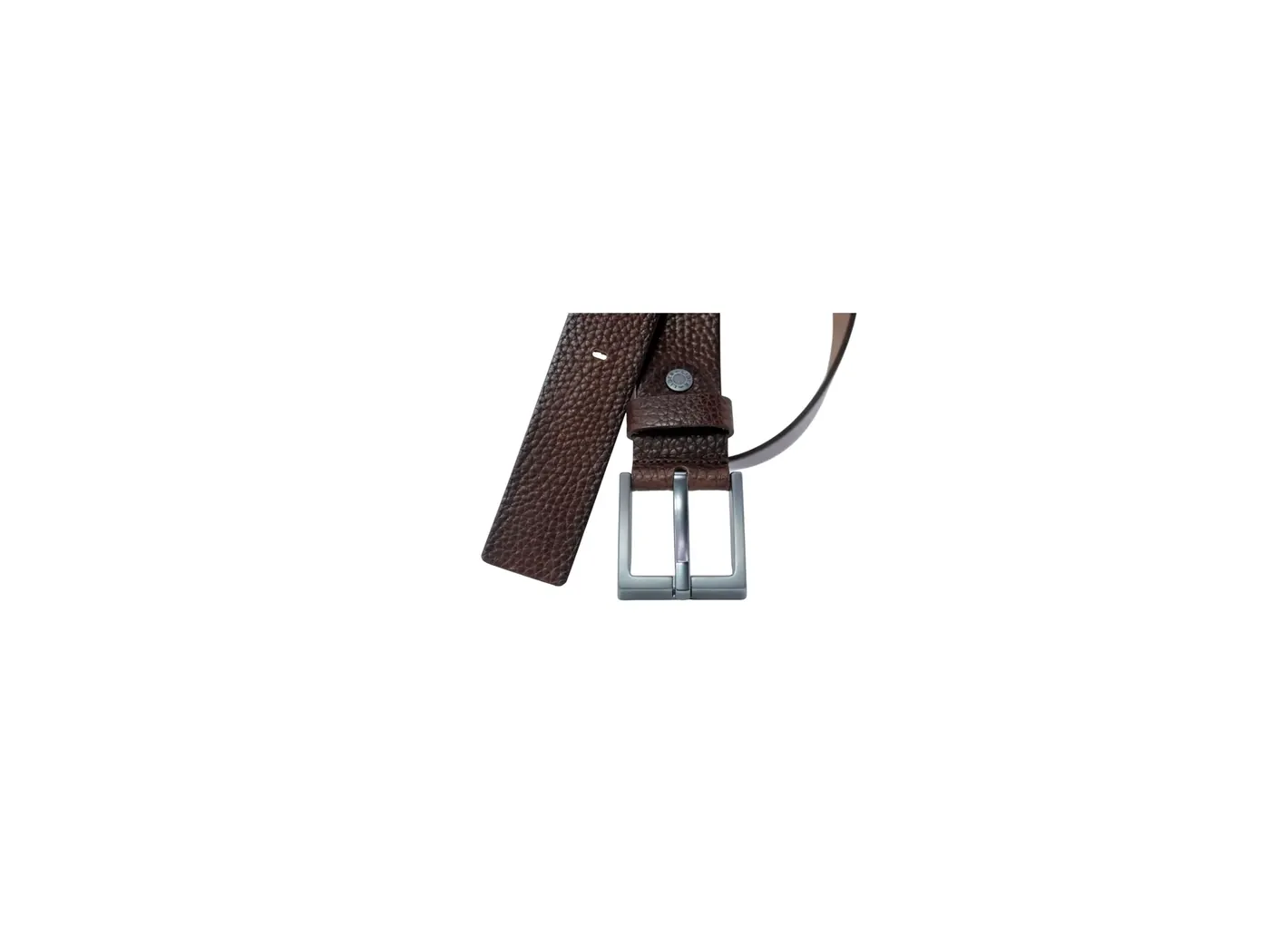
Why Do Leather Belts Crack
Why Do Leather Belts Crack?
Why Do Leather Belts Crack
Why Do Leather Belts Crack?Leather belts can crack over time, negatively affecting both appearance and functionality. Cracking results from the loss of natural oils in the leather, excessive drying, improper maintenance practices, and environmental factors. The fundamental differences between genuine leather and synthetic leather (PU leather) directly impact the cracking process, lifespan, and repairability. This comprehensive guide examines the scientific reasons behind leather belt cracking, the behavior of different leather types, professional care techniques, and methods to keep your belts looking new for years. We also provide in-depth information on selection criteria, material quality assessment, and the importance of leather products from a sustainable fashion perspective.Does Genuine Leather Crack? Scientific ExplanationYes, genuine leather can crack, but this usually results from improper use, lack of maintenance, or aggressive environmental factors. Genuine leather is a natural material obtained from animal hide and possesses a structure that develops character and renews itself over time. However, under certain conditions, cracking becomes inevitable. Leather cracking is related to the breakdown of collagen fiber integrity and the loss of natural oils.Leather Structure and Cracking MechanismLeather consists of three main layers: epidermis, dermis, and hypodermis. The leather used in belt production is the dermis layer, processed after removing the epidermis. This layer comprises collagen and elastin fibers. Collagen fibers provide durability while elastin fibers provide flexibility. Over time, the natural oils (lipids) between these fibers evaporate or wash away. Oil loss causes fibers to rub against each other, weakening them and eventually causing cracks. Additionally, UV rays destroy the structure of collagen fibers, oxidation occurs, and the leather becomes brittle.Primary Causes of Genuine Leather CrackingSeveral fundamental causes lead to genuine leather cracking. The first and most common is moisture loss. Leather maintains its flexibility through natural oils and moisture. These oils evaporate, oxidize, or are lost during washing with detergents. Moisture loss makes leather brittle, weakens inter-fiber bonds, and leads to cracking. The second major cause is sun exposure. UV-A and UV-B rays photodegrade leather fibers, causing color fading and structural weakness. The third cause is excessive tension and bending. Using the belt on the same hole continuously creates localized deformation in that area; since fibers are bent at the same point continuously, fatigue cracks form. The fourth cause is excessive moisture and mold growth. In humid environments, the protein structure of leather breaks down, and bacteria and mold growth rots the leather. The fifth cause is chemical contact. Deodorants, perfumes, cleaning agents, and body acids disrupt the surface chemistry of leather.Advantages of Genuine Leather and Patina DevelopmentThe greatest advantage of genuine leather is its ability to last for years when properly maintained. Regular conditioning and cleaning minimize cracking risk. Additionally, genuine leather develops an aesthetic patina even when cracked. Patina is the natural color change and sheen that leather acquires over time. For vintage look enthusiasts, this is not a disadvantage but rather a characteristic that adds character and personalizes the product. Every genuine leather belt develops a unique patina based on its user's habits, making it one-of-a-kind. Genuine leather belts can be used for 10-20 years or longer with proper care, and can even be passed down through generations.Golden Rules of Genuine Leather CareThree golden rules exist for protecting genuine leather belts. First is regular conditioning. Apply natural beeswax or leather cream every 3-6 months to maintain leather flexibility. Beeswax creates a protective layer while allowing the leather to breathe. Second is proper storage. Store belts hanging or flat, away from direct sunlight, in cool and dry environments. Third is regular cleaning. Wipe with a damp microfiber cloth to remove dust and dirt, allowing the leather to breathe. Excessive dirt accumulation clogs leather pores and causes cracking.Does PU Leather Crack More? Structure of Synthetic LeatherYes, PU (polyurethane) leather cracks much faster than genuine leather and typically suffers irreversible damage. PU leather is a plastic-based synthetic leather type with a polyurethane coating on the surface that mimics genuine leather appearance. However, this structure oxidizes over time, loses flexibility, and begins to crack. Although PU leather imitates the aesthetics of genuine leather, its molecular structure is completely different.PU Leather Production Process and Molecular StructurePU leather is produced by applying liquid polyurethane coating over a woven fabric base such as polyester, nylon, or cotton. This coating initially appears soft and flexible but oxidizes over time. Polyurethane chains break down under UV rays and oxygen effects. Particularly friction, bending, and temperature changes cause the PU layer to crack. Once cracked, the underlying fabric layer becomes visible and aesthetically unusable. PU leather does not absorb oils or moisture like genuine leather, making care products ineffective.PU Leather Cracking TimelineCracking in PU leather belts typically begins between 6 months and 2 years. Areas of continuous use, especially the section behind the belt buckle, are where first cracks appear. PU leather cannot renew itself like genuine leather. When cracked, repair is impossible; the only solution is replacement. PU leather lifespan varies depending on usage frequency and environmental conditions but is generally 1-3 years. During this process, the leather first becomes matte, then fine lines appear on the surface, followed by deep cracks, and finally the coating crumbles and peels off.Comprehensive Comparison: PU Leather vs Genuine LeatherTableCopyFeatureGenuine LeatherPU LeatherPVC LeatherCracking time5-15+ years (with care)6 months - 2 years1-3 yearsRepairabilityYes, conditioning possibleNo, must replaceNoFlexibility durationMaintained long-termRapidly lostModerateBreathabilityExcellentLimitedPoorCostHigh initial investment, economical long-termLow cost, frequent replacement neededCheapest, shortest lifespanEnvironmental impactNatural, biodegradablePlastic waste, petroleum-basedMost harmful, contains chlorineWeightMediumLightHeavyTouch feelWarm, naturalPlastic feel, coldRubber feelHow to Prevent Leather Belt Cracking? Professional Care GuideTo prevent your leather belts from cracking, develop regular maintenance habits and proper usage practices. Preventive care is always more effective and economical than restorative care. Professional leather care can double your product's lifespan.Daily and Weekly Cleaning RoutineWipe your belt with a dry microfiber cloth after each use to remove dust. Dust particles create micro-scratches on the leather surface, eventually preparing the ground for cracks. Wipe once a week with a slightly damp cloth to allow the leather to breathe. Never use wet cloths or water, as this extracts the leather's natural oils and causes rapid drying. Clean dirty belts with special leather cleaners. Choose pH-balanced cleaners; homemade solutions (vinegar, olive oil, etc.) can disrupt the leather's pH balance.Leather Conditioning and Creaming TechniquesApply natural leather cream or beeswax every 3-6 months. Apply the cream in a thin layer using circular motions and wait 20-30 minutes for absorption. Wipe excess with a soft cloth. This process maintains leather flexibility, creates water-repellent layer, and reduces cracking risk. Increase conditioning frequency during winter months and in dry climates.Leather Belt Care Productscategory offers professional products. Beeswax application provides denser protection than cream but should be done less frequently.Proper Storage Conditions and Environment ControlStore belts hanging, never folded. Folding creates wrinkle and cracking points where cracks begin. Keep away from direct sunlight and heat sources (radiators, fireplaces). UV rays and excessive heat dry out leather. Avoid humid environments; humidity should be between 40-60%. Excessive moisture causes mold, excessive dryness causes cracking. If you have multiple belts, rotate regularly used belts to balance wear. Use leather belt hangers or drawer organizers.Usage Habits and Proper Wearing TechniquesInstead of using the same hole always, use different holes. This prevents excessive tension at a single point on the belt and slows wear around the hole. Be gentle when removing and putting on the belt, avoid sudden pulls. Don't stretch the leather when opening the buckle. Remove your belt during sports activities, heavy work, or excessive sweating situations. Salt and acids in sweat damage leather. Wear the belt under rather than over your pants; this reduces metal buckle contact with leather.How Long Should a Leather Belt Last? Lifespan Expectancy and DurabilityA leather belt's lifespan varies based on usage frequency, leather quality, production technique, and maintenance regularity. A quality genuine leather belt can last for decades with proper care and can be passed down through generations.Expected Lifespan in Daily Use TableA quality full grain leather belt used daily can last 15-20 years with regular maintenance. A medium-quality top grain leather belt lasts 8-12 years, while a low-quality or improperly maintained belt may crack within 2-4 years. PU leather belts typically need replacement between 1-3 years. These durations apply to ideal conditions. Heavy use, harsh climate conditions, or lack of maintenance shorten lifespan.Leather Quality Indicators and Identification MethodsSeveral criteria should be considered when selecting a long-lasting leather belt. Full grain leather is the most durable and longest-lasting leather type; it may have slight scratches and natural marks—these are quality indicators, not flaws. Stitching quality is important; straight, tight, and even stitches extend belt life; double-stitched models are more durable. Edge paint quality affects water permeability. Buckle quality is also critical; prefer stainless steel or solid brass buckles, avoid coated buckles.Men's Leather Beltscollection offers long-lasting full grain leather options.Signs It's Time to Replace Your BeltClear signs indicate when you need to replace your belt. Deep, structural cracks or tears in the leather, loose, broken, or rusted buckle, excessive color fading, complete shape distortion, or open stitches mean you should get a new belt. From a safety perspective, it's important not to use excessively worn belts; belts with breakage risk can cause accidents. Also, replace belts that are out of fashion or don't match your style for personal image purposes.Can a Cracked Leather Belt Be Repaired? Restoration TechniquesThe repairability of a cracked leather belt depends on the degree of cracking, leather type, and whether the damage is structural. While light cracks can be treated with home methods, serious damage may require professional restoration.Home Treatment for Light CracksSurface cracks can be treated with leather cream or beeswax. Cream fills cracks and improves appearance. Heating method can also be used; leather heated gently with a hair dryer from 20-30 cm distance becomes more flexible, fibers relax, and cream absorption increases. However, these methods only improve appearance and don't completely repair structural damage. Leather repair kits (leather filler putty) can be used but color matching is difficult and experience is needed for professional appearance.Professional Leather Restoration ServicesLeather repair workshops or shoe repair shops can offer solutions for more serious cracks. Professional restoration includes leather filler putty, color matching, repainting, and protective coating processes. However, these processes can be costly (50-100% of belt price) and it's difficult to capture the belt's original appearance. If leather structure is damaged more than 50%, it's usually more economical and safer to buy a new belt.Repair Cost Analysis and Decision MatrixIf repair cost exceeds half the price of a new belt, replacement makes more sense. Also, if cracks compromise the belt's structural integrity, meaning there's breakage risk, it must definitely be replaced. In daily use, safety always comes before aesthetics. Professional restoration can be considered for vintage belts with sentimental value, but it's impractical for daily use.What to Consider When Choosing a Leather Belt? Expert Shopping GuideTo choose a crack-resistant, long-lasting leather belt, be an informed consumer. Paying attention to price, material, workmanship, and brand details saves money in the long run. A quality belt amortizes its initial high cost when used for years.Recognizing and Classifying Leather TypesFull grain leather is the highest quality and most durable; it has natural marks and pores. Top grain leather undergoes light sanding and processing, still quality but not as durable as full grain, smoother appearance. Split leather is cheaper, has suede-like surface but cracks faster. Bonded leather is the lowest quality, formed by gluing real leather pieces, cracks and peels very quickly.Genuine Leather Beltscategory offers full grain leather options.Price-Quality Relationship and Market AnalysisVery cheap leather belts (under $10) are usually made from low-quality bonded leather or PU leather, short-lived. Mid-range prices ($20-60) usually offer good quality top grain leather, sufficient for daily use. High prices ($80+) include full grain leather, handcraft, and premium brands. However, buying directly from the manufacturer avoids brand premium.Discounted Leather Beltspage offers quality products at affordable prices.Buckle and Accessory Quality AssessmentNot just the leather part, but the buckle and other metal accessories are important too. Stainless steel buckles are the most durable, don't rust or tarnish. Brass buckles are aesthetic, develop antique appearance but can tarnish over time, can be polished. Coated buckles (nickel, chrome) are cheap but peel quickly, can cause allergies. Ensure the buckle is firmly attached to the belt; loose connections cause breakage. Screw buckles are adjustable, riveted buckles are more secure.Seasonal Leather Belt Care and Climate EffectsYour leather belt maintenance should vary by season. Different climate conditions affect leather differently and precautions should be taken accordingly.Summer Care and Moisture ControlDuring summer months, excessive sweat and moisture are leather's enemies. Salt and acids in sweat dry and crack leather. Hot weather accelerates natural oil loss in leather. Store belts in cool places during summer, don't leave in direct sun. Increase conditioning frequency if used heavily.Winter Care and Temperature ChangesDuring winter, radiator and stove dryness cracks leather. Sudden temperature changes between hot indoor and cold outdoor shock the leather. Conditioning is very important in winter, monthly conditioning recommended. Store away from heat sources.Rainy Weather and Water Damage PreventionLeather loves water but don't let it saturate. Wipe belts exposed to rain immediately with dry cloth, never put on dryer or in sun, wait for natural air drying. If water stains form, make homogeneous by wiping entire surface with damp cloth. Water-repellent spray applications provide protection but reduce breathability.Sustainable Fashion and Environmental Impact of Leather ProductsChoosing a leather belt is not just personal preference but also environmental responsibility. Sustainable fashion understanding encourages preferring long-lasting products.Environmental Advantages of Genuine LeatherGenuine leather is a byproduct of livestock, animals aren't killed just for their leather. It's natural and biodegradable, decomposes in 50 years. Its long lifespan eliminates frequent replacement needs, reducing waste amount. When maintained, can be used for generations.Environmental Cost of Synthetic LeatherPU and PVC leather are petroleum-derived, production consumes fossil fuels. Not biodegradable, remains in landfill for 500+ years. Short lifespan requires frequent replacement, increasing plastic waste piles. Releases microplastics, pollutes water sources.Ethical Leather Production and CertificationsVegetable tanning is more eco-friendly than chrome tanning. LWG (Leather Working Group) certification indicates environmental standards. Supporting local production reduces carbon footprint.LiderKemerfollows sustainable production principles.Frequently Asked Questions and Expert AnswersMy leather belt cracked, can it be repaired?Light cracks can be covered with leather cream but deep cracks are usually permanent damage. PU leather cannot be repaired. Professional repair options exist for genuine leather but can be costly. If there's structural damage, replacement is safer.How often should I condition my leather belt?Conditioning every 3-6 months is recommended. More frequent conditioning for heavily used belts, dry climates, and winter months. When leather appears dry and matte, loses flexibility, it's time to condition. Excessive conditioning is also harmful, prevents leather breathing.Is PU leather or genuine leather better?Depends on your usage purpose and budget. PU leather is sufficient for short-term (1-2 year), low-budget use. Choose genuine leather for long-term, quality, sustainable, and character-developing product. Genuine leather is more economical in the long run.Is my leather belt waterproof?Standard genuine leather is not waterproof, can leave water stains and change shape. Wipe water-based stains immediately. Waterproof leather belts undergo special processes, protection can be provided with beeswax. Leather loves water but don't let it saturate.How should I store my belt?Store belts hanging or flat, away from direct sunlight, in cool and dry places. Avoid folding, creates permanent wrinkles. Keep away from humid environments, mold grows. Use leather belt hangers or special boxes. If you have multiple belts, use them in rotation.My leather belt darkened, what should I do?Darkening may result from oxidation or dirt accumulation. First clean with leather cleaner. You can use leather dye or renovation cream for color fading. Professional dyeing services are also available. Regular conditioning prevents darkening.Which country production should be preferred when buying leather belts?Italian leather stands out with quality and workmanship. Turkish leather industry is also developed, offers affordable quality options. Indian and Chinese leathers are cheap but quality varies. Important to choose based on leather quality and workmanship details, not just country.My belt became very stiff, can it regain flexibility?Stiffness results from moisture loss. Apply leather cream or neatsfoot oil to restore flexibility. Increase cream absorption with heating (hair dryer). However, excessive stiffness indicating structural damage may not be repairable.Mold formed on my leather belt, how do I clean it?Mold results from storing in humid environment. First wipe mold with dry cloth. Disinfect with vinegar-water mixture (1:1). Apply leather cream after completely dry. Seek professional help if mold damaged leather. Change storage conditions.Why do leather belt prices vary so much?Factors affecting price: leather type (full grain vs bonded), leather quality (A grade vs scrap pieces), production method (handmade vs machine), brand value, buckle quality, and production location. Full grain, handmade, Italian leather is most expensive. Bonded leather, machine production, Far East origin is cheapest.Conclusion and SummaryLeather belt cracking is generally a preventable condition resulting from lack of maintenance and improper use. Genuine leather is a sustainable, valuable material that can last for decades, develop character, and withstand years of use with proper care. PU leather, while a short-term economical alternative, cracks quickly, cannot be repaired, and is environmentally costly.With regular cleaning, conditioning, and proper storage conditions, you can significantly extend your belts' lifespan. A quality leather belt becomes a reliable, stylish, and personal accessory that develops character over time. Remember, buying a good leather belt is not an expense but a long-term investment.AtLiderKemer, we offer full grain leather, long-lasting, and stylish leather belt options. Explore ourWomen's Leather BeltsandMen's Leather Beltscollections to find the most suitable belt for your needs and enjoy years of trouble-free use. We help maximize your leather products' lifespan with our professional care products and expert advice.
Leather belts can crack over time, negatively affecting both appearance and functionality. Cracking results from the loss of natural oils in the leather, excessive drying, improper maintenance practices, and environmental factors. The fundamental differences between genuine leather and synthetic leather (PU leather) directly impact the cracking process, lifespan, and repairability. This comprehensive guide examines the scientific reasons behind leather belt cracking, the behavior of different leather types, professional care techniques, and methods to keep your belts looking new for years. We also provide in-depth information on selection criteria, material quality assessment, and the importance of leather products from a sustainable fashion perspective.
Does Genuine Leather Crack? Scientific Explanation
Yes, genuine leather can crack, but this usually results from improper use, lack of maintenance, or aggressive environmental factors. Genuine leather is a natural material obtained from animal hide and possesses a structure that develops character and renews itself over time. However, under certain conditions, cracking becomes inevitable. Leather cracking is related to the breakdown of collagen fiber integrity and the loss of natural oils.
Leather Structure and Cracking Mechanism
Leather consists of three main layers: epidermis, dermis, and hypodermis. The leather used in belt production is the dermis layer, processed after removing the epidermis. This layer comprises collagen and elastin fibers. Collagen fibers provide durability while elastin fibers provide flexibility. Over time, the natural oils (lipids) between these fibers evaporate or wash away. Oil loss causes fibers to rub against each other, weakening them and eventually causing cracks. Additionally, UV rays destroy the structure of collagen fibers, oxidation occurs, and the leather becomes brittle.
Primary Causes of Genuine Leather Cracking
Several fundamental causes lead to genuine leather cracking. The first and most common is moisture loss. Leather maintains its flexibility through natural oils and moisture. These oils evaporate, oxidize, or are lost during washing with detergents. Moisture loss makes leather brittle, weakens inter-fiber bonds, and leads to cracking. The second major cause is sun exposure. UV-A and UV-B rays photodegrade leather fibers, causing color fading and structural weakness. The third cause is excessive tension and bending. Using the belt on the same hole continuously creates localized deformation in that area; since fibers are bent at the same point continuously, fatigue cracks form. The fourth cause is excessive moisture and mold growth. In humid environments, the protein structure of leather breaks down, and bacteria and mold growth rots the leather. The fifth cause is chemical contact. Deodorants, perfumes, cleaning agents, and body acids disrupt the surface chemistry of leather.
Advantages of Genuine Leather and Patina Development
The greatest advantage of genuine leather is its ability to last for years when properly maintained. Regular conditioning and cleaning minimize cracking risk. Additionally, genuine leather develops an aesthetic patina even when cracked. Patina is the natural color change and sheen that leather acquires over time. For vintage look enthusiasts, this is not a disadvantage but rather a characteristic that adds character and personalizes the product. Every genuine leather belt develops a unique patina based on its user's habits, making it one-of-a-kind. Genuine leather belts can be used for 10-20 years or longer with proper care, and can even be passed down through generations.
Golden Rules of Genuine Leather Care
Three golden rules exist for protecting genuine leather belts. First is regular conditioning. Apply natural beeswax or leather cream every 3-6 months to maintain leather flexibility. Beeswax creates a protective layer while allowing the leather to breathe. Second is proper storage. Store belts hanging or flat, away from direct sunlight, in cool and dry environments. Third is regular cleaning. Wipe with a damp microfiber cloth to remove dust and dirt, allowing the leather to breathe. Excessive dirt accumulation clogs leather pores and causes cracking.
Does PU Leather Crack More? Structure of Synthetic Leather
Yes, PU (polyurethane) leather cracks much faster than genuine leather and typically suffers irreversible damage. PU leather is a plastic-based synthetic leather type with a polyurethane coating on the surface that mimics genuine leather appearance. However, this structure oxidizes over time, loses flexibility, and begins to crack. Although PU leather imitates the aesthetics of genuine leather, its molecular structure is completely different.
PU Leather Production Process and Molecular Structure
PU leather is produced by applying liquid polyurethane coating over a woven fabric base such as polyester, nylon, or cotton. This coating initially appears soft and flexible but oxidizes over time. Polyurethane chains break down under UV rays and oxygen effects. Particularly friction, bending, and temperature changes cause the PU layer to crack. Once cracked, the underlying fabric layer becomes visible and aesthetically unusable. PU leather does not absorb oils or moisture like genuine leather, making care products ineffective.
PU Leather Cracking Timeline
Cracking in PU leather belts typically begins between 6 months and 2 years. Areas of continuous use, especially the section behind the belt buckle, are where first cracks appear. PU leather cannot renew itself like genuine leather. When cracked, repair is impossible; the only solution is replacement. PU leather lifespan varies depending on usage frequency and environmental conditions but is generally 1-3 years. During this process, the leather first becomes matte, then fine lines appear on the surface, followed by deep cracks, and finally the coating crumbles and peels off.
Comprehensive Comparison: PU Leather vs Genuine Leather
How to Prevent Leather Belt Cracking? Professional Care Guide
To prevent your leather belts from cracking, develop regular maintenance habits and proper usage practices. Preventive care is always more effective and economical than restorative care. Professional leather care can double your product's lifespan.
Daily and Weekly Cleaning Routine
Wipe your belt with a dry microfiber cloth after each use to remove dust. Dust particles create micro-scratches on the leather surface, eventually preparing the ground for cracks. Wipe once a week with a slightly damp cloth to allow the leather to breathe. Never use wet cloths or water, as this extracts the leather's natural oils and causes rapid drying. Clean dirty belts with special leather cleaners. Choose pH-balanced cleaners; homemade solutions (vinegar, olive oil, etc.) can disrupt the leather's pH balance.
Leather Conditioning and Creaming Techniques
Apply natural leather cream or beeswax every 3-6 months. Apply the cream in a thin layer using circular motions and wait 20-30 minutes for absorption. Wipe excess with a soft cloth. This process maintains leather flexibility, creates water-repellent layer, and reduces cracking risk. Increase conditioning frequency during winter months and in dry climates.Leather Belt Care Productscategory offers professional products. Beeswax application provides denser protection than cream but should be done less frequently.
Proper Storage Conditions and Environment Control
Store belts hanging, never folded. Folding creates wrinkle and cracking points where cracks begin. Keep away from direct sunlight and heat sources (radiators, fireplaces). UV rays and excessive heat dry out leather. Avoid humid environments; humidity should be between 40-60%. Excessive moisture causes mold, excessive dryness causes cracking. If you have multiple belts, rotate regularly used belts to balance wear. Use leather belt hangers or drawer organizers.
Usage Habits and Proper Wearing Techniques
Instead of using the same hole always, use different holes. This prevents excessive tension at a single point on the belt and slows wear around the hole. Be gentle when removing and putting on the belt, avoid sudden pulls. Don't stretch the leather when opening the buckle. Remove your belt during sports activities, heavy work, or excessive sweating situations. Salt and acids in sweat damage leather. Wear the belt under rather than over your pants; this reduces metal buckle contact with leather.
How Long Should a Leather Belt Last? Lifespan Expectancy and Durability
A leather belt's lifespan varies based on usage frequency, leather quality, production technique, and maintenance regularity. A quality genuine leather belt can last for decades with proper care and can be passed down through generations.
Expected Lifespan in Daily Use Table
A quality full grain leather belt used daily can last 15-20 years with regular maintenance. A medium-quality top grain leather belt lasts 8-12 years, while a low-quality or improperly maintained belt may crack within 2-4 years. PU leather belts typically need replacement between 1-3 years. These durations apply to ideal conditions. Heavy use, harsh climate conditions, or lack of maintenance shorten lifespan.
Leather Quality Indicators and Identification Methods
Several criteria should be considered when selecting a long-lasting leather belt. Full grain leather is the most durable and longest-lasting leather type; it may have slight scratches and natural marks—these are quality indicators, not flaws. Stitching quality is important; straight, tight, and even stitches extend belt life; double-stitched models are more durable. Edge paint quality affects water permeability. Buckle quality is also critical; prefer stainless steel or solid brass buckles, avoid coated buckles.Men's Leather Beltscollection offers long-lasting full grain leather options.
Signs It's Time to Replace Your Belt
Clear signs indicate when you need to replace your belt. Deep, structural cracks or tears in the leather, loose, broken, or rusted buckle, excessive color fading, complete shape distortion, or open stitches mean you should get a new belt. From a safety perspective, it's important not to use excessively worn belts; belts with breakage risk can cause accidents. Also, replace belts that are out of fashion or don't match your style for personal image purposes.
Can a Cracked Leather Belt Be Repaired? Restoration Techniques
The repairability of a cracked leather belt depends on the degree of cracking, leather type, and whether the damage is structural. While light cracks can be treated with home methods, serious damage may require professional restoration.
Home Treatment for Light Cracks
Surface cracks can be treated with leather cream or beeswax. Cream fills cracks and improves appearance. Heating method can also be used; leather heated gently with a hair dryer from 20-30 cm distance becomes more flexible, fibers relax, and cream absorption increases. However, these methods only improve appearance and don't completely repair structural damage. Leather repair kits (leather filler putty) can be used but color matching is difficult and experience is needed for professional appearance.
Professional Leather Restoration Services
Leather repair workshops or shoe repair shops can offer solutions for more serious cracks. Professional restoration includes leather filler putty, color matching, repainting, and protective coating processes. However, these processes can be costly (50-100% of belt price) and it's difficult to capture the belt's original appearance. If leather structure is damaged more than 50%, it's usually more economical and safer to buy a new belt.
Repair Cost Analysis and Decision Matrix
If repair cost exceeds half the price of a new belt, replacement makes more sense. Also, if cracks compromise the belt's structural integrity, meaning there's breakage risk, it must definitely be replaced. In daily use, safety always comes before aesthetics. Professional restoration can be considered for vintage belts with sentimental value, but it's impractical for daily use.
What to Consider When Choosing a Leather Belt? Expert Shopping Guide
To choose a crack-resistant, long-lasting leather belt, be an informed consumer. Paying attention to price, material, workmanship, and brand details saves money in the long run. A quality belt amortizes its initial high cost when used for years.
Recognizing and Classifying Leather Types
Full grain leather is the highest quality and most durable; it has natural marks and pores. Top grain leather undergoes light sanding and processing, still quality but not as durable as full grain, smoother appearance. Split leather is cheaper, has suede-like surface but cracks faster. Bonded leather is the lowest quality, formed by gluing real leather pieces, cracks and peels very quickly.Genuine Leather Beltscategory offers full grain leather options.
Price-Quality Relationship and Market Analysis
Very cheap leather belts (under $10) are usually made from low-quality bonded leather or PU leather, short-lived. Mid-range prices ($20-60) usually offer good quality top grain leather, sufficient for daily use. High prices ($80+) include full grain leather, handcraft, and premium brands. However, buying directly from the manufacturer avoids brand premium.Discounted Leather Beltspage offers quality products at affordable prices.
Buckle and Accessory Quality Assessment
Not just the leather part, but the buckle and other metal accessories are important too. Stainless steel buckles are the most durable, don't rust or tarnish. Brass buckles are aesthetic, develop antique appearance but can tarnish over time, can be polished. Coated buckles (nickel, chrome) are cheap but peel quickly, can cause allergies. Ensure the buckle is firmly attached to the belt; loose connections cause breakage. Screw buckles are adjustable, riveted buckles are more secure.
Seasonal Leather Belt Care and Climate Effects
Your leather belt maintenance should vary by season. Different climate conditions affect leather differently and precautions should be taken accordingly.
Summer Care and Moisture Control
During summer months, excessive sweat and moisture are leather's enemies. Salt and acids in sweat dry and crack leather. Hot weather accelerates natural oil loss in leather. Store belts in cool places during summer, don't leave in direct sun. Increase conditioning frequency if used heavily.
Winter Care and Temperature Changes
During winter, radiator and stove dryness cracks leather. Sudden temperature changes between hot indoor and cold outdoor shock the leather. Conditioning is very important in winter, monthly conditioning recommended. Store away from heat sources.
Rainy Weather and Water Damage Prevention
Leather loves water but don't let it saturate. Wipe belts exposed to rain immediately with dry cloth, never put on dryer or in sun, wait for natural air drying. If water stains form, make homogeneous by wiping entire surface with damp cloth. Water-repellent spray applications provide protection but reduce breathability.
Sustainable Fashion and Environmental Impact of Leather Products
Choosing a leather belt is not just personal preference but also environmental responsibility. Sustainable fashion understanding encourages preferring long-lasting products.
Environmental Advantages of Genuine Leather
Genuine leather is a byproduct of livestock, animals aren't killed just for their leather. It's natural and biodegradable, decomposes in 50 years. Its long lifespan eliminates frequent replacement needs, reducing waste amount. When maintained, can be used for generations.
Environmental Cost of Synthetic Leather
PU and PVC leather are petroleum-derived, production consumes fossil fuels. Not biodegradable, remains in landfill for 500+ years. Short lifespan requires frequent replacement, increasing plastic waste piles. Releases microplastics, pollutes water sources.
Ethical Leather Production and Certifications
Vegetable tanning is more eco-friendly than chrome tanning. LWG (Leather Working Group) certification indicates environmental standards. Supporting local production reduces carbon footprint.LiderKemerfollows sustainable production principles.
Frequently Asked Questions and Expert Answers
My leather belt cracked, can it be repaired?
Light cracks can be covered with leather cream but deep cracks are usually permanent damage. PU leather cannot be repaired. Professional repair options exist for genuine leather but can be costly. If there's structural damage, replacement is safer.
How often should I condition my leather belt?
Conditioning every 3-6 months is recommended. More frequent conditioning for heavily used belts, dry climates, and winter months. When leather appears dry and matte, loses flexibility, it's time to condition. Excessive conditioning is also harmful, prevents leather breathing.
Is PU leather or genuine leather better?
Depends on your usage purpose and budget. PU leather is sufficient for short-term (1-2 year), low-budget use. Choose genuine leather for long-term, quality, sustainable, and character-developing product. Genuine leather is more economical in the long run.
Is my leather belt waterproof?
Standard genuine leather is not waterproof, can leave water stains and change shape. Wipe water-based stains immediately. Waterproof leather belts undergo special processes, protection can be provided with beeswax. Leather loves water but don't let it saturate.
How should I store my belt?
Store belts hanging or flat, away from direct sunlight, in cool and dry places. Avoid folding, creates permanent wrinkles. Keep away from humid environments, mold grows. Use leather belt hangers or special boxes. If you have multiple belts, use them in rotation.
My leather belt darkened, what should I do?
Darkening may result from oxidation or dirt accumulation. First clean with leather cleaner. You can use leather dye or renovation cream for color fading. Professional dyeing services are also available. Regular conditioning prevents darkening.
Which country production should be preferred when buying leather belts?
Italian leather stands out with quality and workmanship. Turkish leather industry is also developed, offers affordable quality options. Indian and Chinese leathers are cheap but quality varies. Important to choose based on leather quality and workmanship details, not just country.
My belt became very stiff, can it regain flexibility?
Stiffness results from moisture loss. Apply leather cream or neatsfoot oil to restore flexibility. Increase cream absorption with heating (hair dryer). However, excessive stiffness indicating structural damage may not be repairable.
Mold formed on my leather belt, how do I clean it?
Mold results from storing in humid environment. First wipe mold with dry cloth. Disinfect with vinegar-water mixture (1:1). Apply leather cream after completely dry. Seek professional help if mold damaged leather. Change storage conditions.
Why do leather belt prices vary so much?
Factors affecting price: leather type (full grain vs bonded), leather quality (A grade vs scrap pieces), production method (handmade vs machine), brand value, buckle quality, and production location. Full grain, handmade, Italian leather is most expensive. Bonded leather, machine production, Far East origin is cheapest.
Conclusion and Summary
Leather belt cracking is generally a preventable condition resulting from lack of maintenance and improper use. Genuine leather is a sustainable, valuable material that can last for decades, develop character, and withstand years of use with proper care. PU leather, while a short-term economical alternative, cracks quickly, cannot be repaired, and is environmentally costly.
With regular cleaning, conditioning, and proper storage conditions, you can significantly extend your belts' lifespan. A quality leather belt becomes a reliable, stylish, and personal accessory that develops character over time. Remember, buying a good leather belt is not an expense but a long-term investment.
AtLiderKemer, we offer full grain leather, long-lasting, and stylish leather belt options. Explore ourWomen's Leather BeltsandMen's Leather Beltscollections to find the most suitable belt for your needs and enjoy years of trouble-free use. We help maximize your leather products' lifespan with our professional care products and expert advice.
+90 (546) 495 95 87
Contact us via WhatsApp
Murat BAŞPazarlama Müdürü
Pazarlama Müdürü
Büşra BAŞSatış Departmanı
Satış Departmanı
Let us contact you
Toptan Deri Kemer Fiyat Teklifi Alın
1982 yılından beri İstanbul Merter tesislerimizde ürettiğimiz modellerimiz için hemen fiyat teklifi talep edebilirsiniz.