
Belt Manufacturing and Supply Guide | Leather Belt Factory Turkey
Professional belt manufacturer in Turkey producing leather and synthetic belts. Belt Manufacturer Turkey and export solutions for global brands.
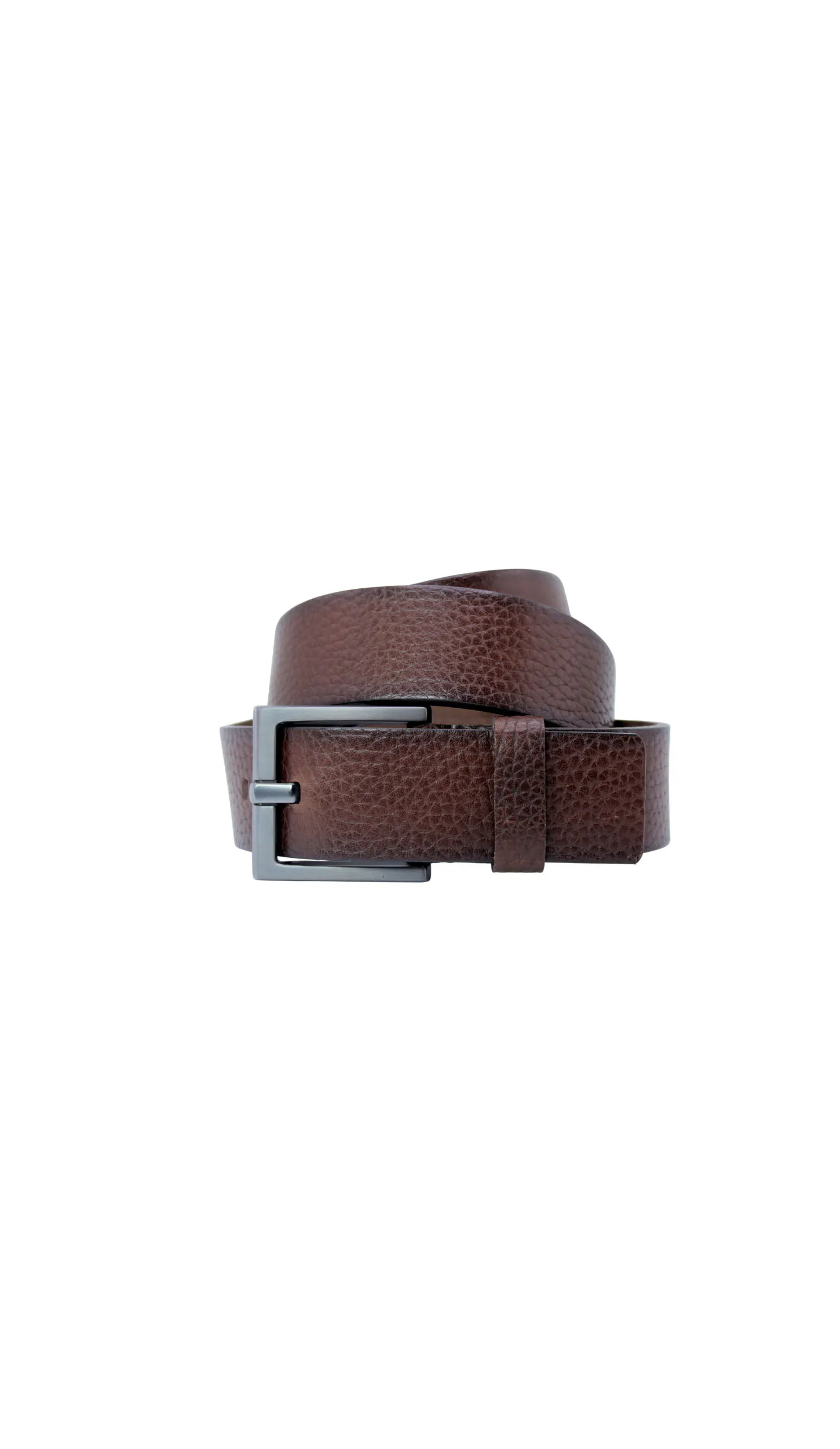
Belt Manufacturing and Supply Guide
Belt Manufacturing and Supply Guide | Leather Belt Factory Turkey
A Complete Guide to Leather and Synthetic Belt Production for Global Buyers
For companies searching for a reliable belt manufacturer Turkey, the main objective is not simply purchasing belts at the lowest price. Professional buyers, wholesalers, fashion brands, importers and e-commerce companies are looking for a manufacturing partner that can provide consistent quality, stable production capacity, competitive pricing and long-term supply reliability.
The global belt industry continues to grow as belts remain one of the most important fashion accessories for men, women and children. Although belts are small products compared to many fashion categories, their production requires detailed craftsmanship, accurate material selection and strict quality control.
A professional leather belt manufacturer must manage every stage of production, from raw material sourcing to final packaging. Small differences in leather quality, buckle durability, stitching accuracy or sizing consistency can directly affect customer satisfaction and brand reputation.
Turkey has become one of the leading production locations for international belt sourcing due to its strong leather manufacturing history, skilled workforce, modern production facilities and strategic location between Europe, the Middle East and global markets.
Lider Kemer operates as an experienced belt factory in Turkey, producing genuine leather belts, PU belts, synthetic belts and custom belt collections for international B2B customers.
With decades of manufacturing experience and a monthly production capacity of 150,000 belts, Lider Kemer provides wholesale belt production, OEM manufacturing, ODM solutions and private label belt services for global brands.
What Does a Professional Belt Manufacturer Do?
A professional belt manufacturer does much more than assemble a finished product. Manufacturing begins with understanding market requirements, selecting suitable materials and creating a production system that delivers consistent results.
International buyers usually evaluate production experience, sample quality, manufacturing capacity, communication speed, customization ability and export experience before choosing a manufacturing partner.
A reliable belt factory should be able to manage:
material selection, product development, prototype creation, production planning, quality inspection, packaging preparation and international shipping processes.
Unlike trading companies that purchase ready-made products from different suppliers, direct manufacturers control the entire production process. This provides better consistency, faster communication and stronger quality management.
For brands building long-term collections, working directly with a manufacturer reduces supply chain risks and improves product development flexibility.
Turkey as a Global Belt Manufacturing Hub
Turkey has developed a strong position in the global leather accessories industry. The country combines traditional leather craftsmanship with modern industrial production systems.
The Turkish belt manufacturing sector serves many international markets, especially Europe and the United States. Manufacturers located in Istanbul and other industrial regions produce belts for fashion brands, retailers, wholesalers and private label companies.
The main advantages of choosing a belt manufacturer Turkey include:
strong leather supply infrastructure, experienced craftsmen, flexible production capabilities, competitive wholesale pricing, shorter delivery times to Europe and direct communication with factories.
Turkey’s geographic position provides an important logistics advantage. European buyers can receive products much faster compared with suppliers located in distant Asian production regions.
This advantage is especially valuable for brands that need seasonal collections, quick replenishment or flexible inventory management.
Leather Belt Manufacturing Process
The production of a quality leather belt requires multiple carefully controlled stages. Every step influences the final appearance, durability and customer perception of the product.
A professional belt manufacturing process includes material selection, leather preparation, leather strap cutting, edge finishing, stitching, buckle attachment, surface treatment, quality inspection and packaging.
Each stage requires technical knowledge and manufacturing experience.
Leather Material Selection
The first step in production is choosing the correct leather according to the target market and product positioning.
Common leather options include:
full grain leather, top grain leather, genuine leather, split leather and vegetable tanned leather.
Premium collections usually focus on full grain and top grain leather because these materials provide durability, natural texture and a higher quality perception.
For commercial collections, manufacturers may combine different leather options to achieve the right balance between quality and pricing.
A professional manufacturer understands that every market requires a different approach. A luxury fashion brand, an online marketplace seller and a uniform supplier may all need completely different belt specifications.
Leather Strap Cutting and Production Accuracy
Leather strap cutting is one of the most important stages in belt production. Precision during cutting determines the final dimensions, appearance and consistency of every belt.
Modern belt factories use advanced cutting equipment and experienced technicians to ensure accurate measurements.
Correct cutting processes provide:
consistent belt width, accurate length measurement, reduced material waste and uniform product appearance.
For wholesale customers ordering thousands of pieces, sizing consistency is critical. Small production differences can create customer complaints and increase return rates.
Professional manufacturers maintain strict production controls to ensure every belt matches approved samples.
Edge Finishing and Surface Quality
Edge finishing is a key quality indicator in leather belt manufacturing.
Poorly finished edges can affect comfort, durability and overall appearance. High-quality belts require smooth, polished and properly treated edges.
Professional edge finishing improves:
wear resistance, visual quality, user comfort and product lifespan.
Different markets may require different finishing styles. Premium leather collections often use refined hand-finished edges, while large-volume commercial collections may use optimized industrial finishing methods.
A skilled belt manufacturer balances production efficiency with craftsmanship quality.
Stitching Accuracy and Belt Durability
Stitching accuracy directly affects belt strength and appearance.
Professional belt production requires consistent stitching patterns, correct thread tension and reinforced stress areas.
The stitching process must ensure:
strong connection between leather layers, clean visual appearance and long-term durability.
In export markets, inconsistent stitching is one of the common reasons for product rejection. For this reason, experienced manufacturers apply strict inspection procedures during production.
Lider Kemer focuses on detailed craftsmanship to maintain consistent quality across large production volumes.
Buckle Attachment and Hardware Quality Control
The buckle is not only a design element but also one of the most functional parts of a belt.
A professional manufacturer controls buckle selection, coating quality, attachment strength and durability testing.
Hardware quality control includes:
metal quality inspection, coating durability checks, buckle strength testing and compatibility checks with different leather types.
Premium belt collections often use customized buckles designed according to brand requirements.
Manufacturers can develop:
custom buckle designs, branded metal components, special finishes and unique hardware solutions.
OEM and ODM Belt Manufacturing Solutions
Modern fashion brands increasingly prefer working with experienced manufacturers that can provide complete product development solutions. OEM and ODM belt manufacturing allows companies to create unique collections without investing in their own production infrastructure.
A professional OEM belt manufacturer Turkey can support brands from the initial design stage to final bulk production.
OEM production focuses on manufacturing according to the buyer’s specifications. The brand provides the design concept, technical details or product requirements, and the manufacturer manages the production process.
ODM production provides additional support by allowing manufacturers to contribute design expertise, material recommendations and production solutions.
Both models are widely used by:
fashion brands, online retailers, corporate buyers, accessory distributors and international wholesalers.
A successful OEM or ODM partnership requires strong communication, accurate sampling and reliable production management.
Private Label Belt Production for Global Brands
Private label belt manufacturing has become one of the most preferred sourcing models in the global fashion industry.
Brands can create their own belt collections without owning a factory. By working with an experienced private label belt manufacturer, companies can focus on marketing, sales and brand development while the manufacturer manages production.
Private label belt projects can include custom logo embossing, branded packaging, custom buckle designs, special colours, customer-specific sizing and exclusive collections developed according to brand requirements.
This approach allows companies to create products that are unique to their market instead of selling standard catalogue items.
A professional manufacturer provides flexibility in:
design development, material selection, colour matching, packaging solutions and production planning.
For growing brands, private label production creates a scalable business model with lower operational investment.
Custom Belt Development and Brand Customization
Every successful accessory brand requires differentiation. In a competitive market, a standard belt design may not be enough to create strong customer recognition.
Custom belt development allows brands to create products that match their identity and target audience.
Customization options include:
custom logo embossing, custom buckle designs, branded packaging, special colours, customer-specific sizing and exclusive collections.
Logo embossing is one of the most common branding methods used in leather belt production. A carefully applied logo creates a premium appearance while maintaining the natural character of leather.
Custom buckle development provides another opportunity for brand differentiation. Buckles can be designed with specific shapes, finishes, colours and brand elements.
Special colour development is also important for seasonal collections. Manufacturers can create colours according to brand requirements and fashion trends.
Customer-specific sizing is especially valuable for international markets where sizing standards vary between countries.
Wholesale Belt Production for Retailers and Distributors
Wholesale belt production requires consistency, capacity and reliable delivery.
Retail chains and distributors need suppliers that can maintain the same quality level across repeat orders.
A professional wholesale belt manufacturer manages:
material consistency, production scheduling, quality control, packaging requirements and shipment planning.
Wholesale buyers typically look for:
competitive pricing, stable supply, flexible order quantities and long-term cooperation.
Turkey provides an important advantage in wholesale belt sourcing because manufacturers combine European market experience with competitive production costs.
Low MOQ Belt Manufacturing and Production Flexibility
Minimum order quantity is an important consideration for new brands and growing businesses.
Large factories in some countries may require very high order volumes, creating difficulties for smaller brands.
A flexible belt manufacturer Turkey can support different business models with adaptable production planning.
Low MOQ production allows companies to:
test new collections, reduce inventory risk, analyze market response and scale successful products gradually.
This flexibility is especially valuable for:
e-commerce brands, boutique retailers, startup fashion companies and seasonal collections.
Quality Control System in Belt Manufacturing
Quality control is one of the most important parts of professional belt production.
A reliable manufacturer does not only inspect finished products. Quality management begins from the first production stage.
A complete belt quality control system includes:
raw material inspection, leather thickness control, cutting accuracy checks, edge finishing inspection, stitching verification, buckle attachment testing, sizing consistency control and final product inspection.
Every production stage affects customer satisfaction.
Poor quality control can lead to:
high return rates, customer complaints, damaged brand reputation and additional operational costs.
For international markets, consistent quality is one of the most important factors when selecting a manufacturing partner.
Exporting Belts from Turkey to Europe and the United States
Turkey has become an important export location for global belt buyers because of its manufacturing capability and logistics advantages.
European buyers benefit from Turkey’s geographical proximity, allowing shorter delivery times compared with many overseas suppliers.
Export belt production requires:
accurate documentation, reliable packaging, consistent quality standards and professional logistics management.
Turkey supplies belts to many international markets including:
Germany, France, Netherlands, Belgium, Austria, the United Kingdom and the United States.
Manufacturers experienced in export operations understand international buyer expectations and prepare products according to market requirements.
Belt Factory Logistics and Supply Chain Advantages
Supply chain reliability is essential for fashion companies.
A delayed shipment can affect seasonal sales, promotional campaigns and inventory planning.
Working directly with a belt factory provides better control over:
production timelines, inventory planning, communication and shipment coordination.
Turkey offers several logistics advantages:
short transportation routes to Europe, developed export infrastructure, experienced freight networks and flexible shipment options.
For European customers, road transportation provides an efficient solution for regular wholesale orders.
Compliance Standards for International Belt Production
International buyers require products that meet market regulations and quality expectations.
Professional belt manufacturers consider:
material safety, metal accessory standards, chemical compliance, packaging requirements and export documentation.
For leather and synthetic belts, manufacturers pay attention to:
material traceability, coating quality, buckle safety and customer-specific requirements.
Compliance is not only a legal requirement but also an important factor in protecting brand reputation.
Sustainable Belt Manufacturing Approaches
Sustainability has become increasingly important in the global fashion industry.
Modern belt manufacturers are developing more responsible production methods through:
efficient material usage, reduced production waste, responsible packaging and improved production processes.
Leather manufacturers can support sustainable collections through selected tanning methods and responsible material sourcing.
Synthetic belt production can also focus on improved material efficiency and reduced waste management.
For international brands, sustainable production practices provide additional value in competitive markets.
Why Choose Lider Kemer as a Belt Manufacturing Partner?
Lider Kemer is an experienced belt manufacturer based in Istanbul, Turkey, producing leather belts, PU belts and synthetic belt collections for international customers.
The company supports:
wholesale belt production, OEM manufacturing, ODM development, private label projects and export-focused belt solutions.
With a monthly production capacity of 150,000 belts, Lider Kemer provides scalable manufacturing solutions for brands, distributors and retailers.
The production approach combines:
experienced craftsmanship, modern manufacturing processes, quality control systems and international export experience.
For companies searching for a reliable belt factory Turkey, long-term cooperation, consistent quality and flexible production capability are essential factors.
Belt Market Trends in Europe and the United States
The global belt market continues to evolve as consumer expectations change. Although belts are traditional accessories, purchasing decisions are increasingly influenced by quality perception, sustainability, comfort, design flexibility and brand identity.
For professional buyers working with a belt manufacturer Turkey, understanding regional market preferences is essential for creating successful collections.
European markets generally focus on:
premium material quality, minimal design language, sustainable production, refined details and long-term durability.
Consumers in countries such as Germany, France, the Netherlands and Austria often prefer leather belts that provide a balance between functionality and elegant appearance.
The United States market has different purchasing dynamics. American consumers often show stronger demand for:
casual styles, wider belt designs, functional details, versatile everyday products and distinctive buckle designs.
Experienced manufacturers understand these differences and develop collections according to each market’s expectations.
A professional export-oriented belt factory does not simply produce the same product for every country. Instead, it adapts materials, colours, sizing, packaging and designs according to customer requirements.
How to Select the Right Belt Manufacturer
Choosing a belt manufacturer is a strategic decision that directly affects product quality, customer satisfaction and business growth.
Many buyers make the mistake of selecting suppliers only according to price. However, the lowest production cost does not always create the lowest total cost.
A reliable manufacturing partner should be evaluated according to:
production experience, sample quality, manufacturing capacity, communication speed, customization ability and export experience.
Production experience shows whether the manufacturer understands technical challenges and market requirements.
Sample quality demonstrates the factory’s ability to transform ideas into real products.
Manufacturing capacity indicates whether the supplier can support both initial orders and future growth.
Communication speed is essential because international production requires clear information exchange.
Customization ability allows brands to create unique collections instead of standard products.
Export experience reduces risks related to documentation, logistics and international requirements.
The Importance of Sample Development in Belt Production
Sample development is one of the most important steps before mass production.
A professional manufacturer uses the sampling stage to confirm:
material selection, product dimensions, colour accuracy, buckle design, stitching details and finishing quality.
For international buyers, samples provide confidence before making large production commitments.
A successful sampling process includes:
technical discussion, prototype preparation, customer feedback, revisions and final approval.
Manufacturers with strong sampling experience can reduce production mistakes and improve delivery efficiency.
Belt Manufacturing Capacity and Long-Term Supply Stability
For wholesalers and retail chains, production capacity is a critical factor.
A supplier may produce excellent samples but struggle to maintain quality during large-volume orders.
Professional belt manufacturers create systems that support:
repeat production, consistent materials, stable workforce planning and controlled quality standards.
Lider Kemer has a monthly production capacity of 150,000 belts, allowing the company to support international wholesale requirements.
High production capacity provides advantages for:
fashion brands, retail chains, distributors and private label companies requiring continuous supply.
Belt Packaging Solutions for International Brands
Packaging plays an important role in product presentation and customer perception.
For retail and e-commerce brands, packaging is part of the complete product experience.
Professional belt manufacturers can provide:
branded packaging, custom product labels, retail-ready presentation and export-safe packaging solutions.
Custom packaging allows brands to maintain their identity from production to the final customer.
For premium collections, packaging can include:
special boxes, printed materials, care instructions and brand-specific presentation details.
E-Commerce Belt Manufacturing Requirements
The growth of online shopping has changed the requirements of belt production.
E-commerce sellers need products that minimize customer complaints and returns.
Important factors include:
accurate sizing information, consistent dimensions, strong packaging, product photography support and reliable stock availability.
Size-related returns are one of the most common challenges in online belt sales.
Manufacturers that maintain sizing consistency help brands improve customer satisfaction and reduce operational costs.
For online sellers, working directly with a manufacturer provides better control over product specifications.
Custom Belt Collections for Fashion Brands
Fashion brands increasingly require exclusive products instead of standard catalogue items.
A professional manufacturer can develop collections based on:
brand identity, seasonal trends, target customers and market positioning.
Exclusive collections may include:
custom logo embossing, branded packaging, custom buckle designs, special colours, customer-specific sizing and exclusive collections.
These solutions allow brands to create stronger differentiation in competitive markets.
A successful custom collection combines creative design with practical production knowledge.
Wholesale Belt Supply Chain Management
A strong supply chain is essential for successful wholesale operations.
Professional manufacturers manage the complete process from material sourcing to final delivery.
The supply chain includes:
material purchasing, production planning, quality control, packaging preparation, export documentation and shipment coordination.
Efficient supply chain management helps buyers maintain:
stable inventory, predictable delivery schedules and consistent product availability.
For international companies, supply reliability is often more important than short-term price advantages.
Turkey Belt Manufacturing vs Overseas Production
Buyers often compare Turkey with other manufacturing regions when sourcing belts.
Turkey provides several advantages:
European proximity, flexible production, experienced craftsmanship, competitive pricing and direct communication.
Compared with distant suppliers, Turkish manufacturers can often provide:
faster sampling, shorter delivery times, easier communication and flexible order planning.
These advantages make Turkey an attractive sourcing location for European and international brands.
Future of Belt Manufacturing Industry
The future of belt manufacturing will continue to focus on:
customization, sustainability, flexible production, digital sourcing and higher quality expectations.
Brands are moving away from generic products and increasingly looking for manufacturing partners who can support product development.
Manufacturers that combine traditional craftsmanship with modern production systems will continue to create value in global markets.
The role of a belt factory is no longer only producing products. It is becoming a complete solution partner for brands.
Frequently Asked Questions
What should buyers consider when choosing a belt manufacturer?
Buyers should consider production experience, sample quality, manufacturing capacity, communication speed, customization ability and export experience before selecting a supplier.
Why is Turkey an important location for belt manufacturing?
Turkey offers experienced craftsmanship, modern production facilities, competitive costs and strong logistics connections, especially with European markets.
Can a belt manufacturer produce private label collections?
Yes. Private label production can include custom logo embossing, branded packaging, custom buckle designs, special colours, customer-specific sizing and exclusive collections.
What types of belts can Turkish manufacturers produce?
Turkish manufacturers can produce genuine leather belts, PU belts, synthetic belts, automatic ratchet belts, men's belts, women's belts and children's belt collections.
What is the advantage of working directly with a belt factory?
Direct factory cooperation provides better quality control, transparent communication, flexible customization and more stable long-term supply.
How long does belt production usually take?
Production time depends on order volume, materials, customization requirements and packaging details. Professional manufacturers plan production according to customer deadlines.
Can manufacturers support international exports?
Yes. Export-focused belt manufacturers provide production, documentation, packaging and logistics support for international markets.
Choosing a Reliable Belt Manufacturing Partner
The success of a belt collection depends on more than the final product. Behind every successful belt brand is a reliable manufacturing system that controls materials, craftsmanship, quality and supply continuity.
For companies searching for a belt manufacturer Turkey, the ideal partner should provide manufacturing expertise, flexible production solutions, export capability and long-term cooperation.
Lider Kemer combines leather craftsmanship, modern production methods and international B2B experience to support brands, wholesalers and retailers worldwide.
From genuine leather belts to synthetic collections, from OEM projects to private label production, professional manufacturing creates the foundation for sustainable growth in the global belt market.
Get a Wholesale Leather Belt Quote
Request an immediate price quote for our belt models manufactured in our Istanbul Merter factory since 1982.