
Why Cheap Belts Cost More | Quality, Durability and Hidden Costs
Are cheap belts really profitable? We calculated the hidden costs of China and India belt production, including returns, brand damage, and customer loss.
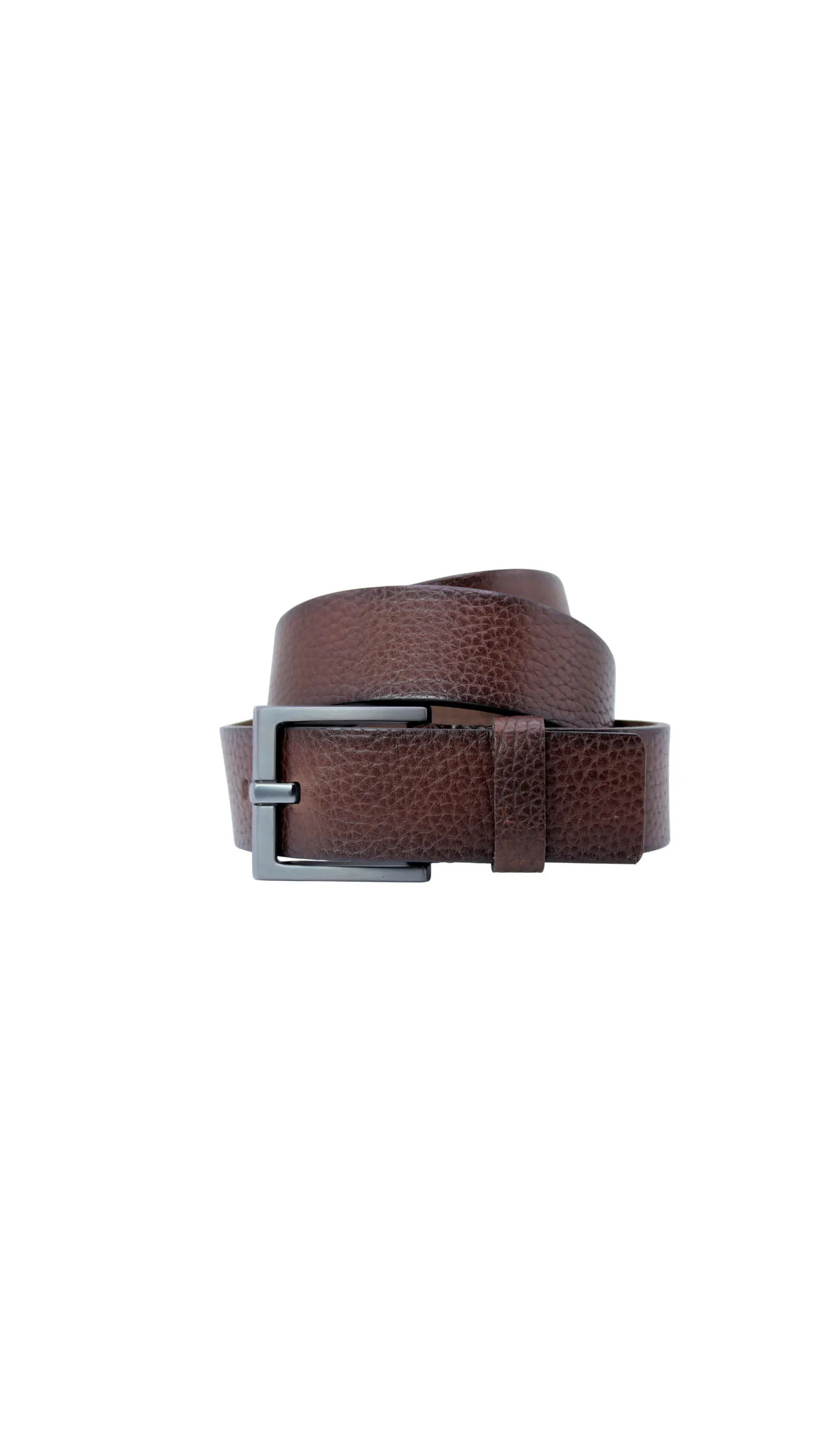
Why Cheap Belts Are More Expensive
Why Cheap Belts Cost More | Quality, Durability and Hidden Costs
Why Cheap Belts Cost More | Quality, Durability and Hidden Costs
In wholesale belt trade, price is usually the first criterion considered. Especially in high-volume purchasing, even a few cents difference per unit can look very attractive on paper. However, this apparent advantage often disappears shortly after sales begin. In products like belts—items worn daily and exposed to constant stress—the real cost emerges only after the product reaches the customer.
Cheap belts imported from production hubs such as China and India may require a lower initial budget. Yet once these products enter the market, problems such as breakage, color fading, stitching failures, and buckle defects begin to appear. At that point, costs are no longer limited to the product itself. Customer dissatisfaction, return processes, brand reputation damage, and declining repeat orders create hidden but very real expenses.
This article examines why cheap belts often end up costing more, using concrete scenarios, real calculations, and a long-term profitability perspective.
Belts that appear cheap are often mass-produced in China and India with minimal quality control standards.
What seems like savings at purchase quickly turns into loss during the sales process.
Price vs. Value: The Real Question for Wholesalers
Price and value are not the same thing. Price is the number written on the invoice. Value is the outcome the product creates throughout its sales lifecycle. For wholesalers, value means smooth sales, low return rates, and repeat orders.
Cheap belts have low prices but also low value. These products typically suffer from:
Inconsistent raw materials
Poor batch consistency
Unstable surface and color quality
Weak stitching and buckle durability
These issues do not appear while the product sits on the shelf. They appear after the customer starts using the belt. That is when the real cost begins.
Common Problems in China and India Manufactured Belts
Breakage and Loss of Shape
Belts produced with low-quality leather or synthetic materials tend to break or lose shape quickly. Without proper elasticity testing, belts deform under constant waist pressure.
Such failures:
Lead to store returns
Damage customer trust
Attach a “cheap product” perception to the brand
Color Fading and Surface Issues
One of the most frequent problems in low-cost belts from China and India is color fading. When dyeing and finishing processes are not stabilized, belts lose color after just a few uses.
This is especially problematic when belts stain light-colored clothing, dramatically increasing return rates.
Stitching Failures
Stitching quality directly affects belt durability. In low-cost manufacturing:
Thread tension is inconsistent
Stitch spacing is uneven
Start and end points are weak
The result is stitching that opens quickly, rendering the product unusable.
Buckle Defects
Cheap belts often use low-grade metal buckles with poor plating and weak assembly. During use:
Buckles loosen
Coating peels
Mechanisms jam
When the buckle fails, the belt becomes completely unusable.
Where Do the Hidden Costs of Cheap Belts Appear?
The cost of cheap belts becomes visible only after shipment. These costs rarely appear on invoices, but they directly affect business performance.
Return and Exchange Costs
Every return means:
Additional logistics expenses
Staff time
Repackaging
Inventory confusion
Returned products are often unsellable.
Customer Loss
When a customer is dissatisfied with a belt, they rarely return just the product. More often:
They abandon the brand
They stop purchasing
They share negative experiences
This is a high-impact cost that is difficult to measure precisely.
Brand Reputation Damage
Cheap products may generate short-term sales, but they damage long-term brand positioning. Stores associated with problematic products are forced into constant price competition.
Profitability Analysis: The Numbers Tell the Story
Let’s look at a simple scenario.
A wholesaler:
Buys a belt from China for €4
Sells it for €10
Gross profit per unit: €6
However:
15% of units are returned
10% require exchanges
5% lead to customer loss
The real profit drops far below expectations.
Now consider another scenario:
A higher-quality belt costs €5.5
Sells for €11
Gross profit per unit: €5.5
With return rates reduced to 2%, logistics and customer loss are minimized. Net profit ends up higher than in the first scenario.
This is where it becomes clear why cheap belts are actually more expensive.
Batch Inconsistency in China and India Production
One of the biggest problems with Far East production is batch inconsistency. The same model may arrive in different shipments with:
Different color tones
Different thickness
Different stitching structure
This complicates inventory management and makes even displaying products side by side difficult.
What Long-Term Value-Oriented Production Delivers
Value-oriented production may appear more expensive initially, but throughout the sales lifecycle it provides:
Fewer returns
Fewer complaints
More repeat orders
Stronger brand perception
These factors significantly increase overall profitability.
How Lider Kemer Quality Increases Profitability by Up to 30%
Lider Kemer’s production philosophy focuses not on unit price, but on total value. Controlled raw materials, batch consistency, and quality control at every stage ensure products perform reliably after sale.
As a result:
Return rates decrease
Customer satisfaction rises
Repeat orders accelerate
Price pressure decreases
Together, these factors can increase total profitability by up to 30% over the long term.
How Cheap Products Affect Sales Performance
Stores relying on cheap belts often:
Depend heavily on promotions
Compete mainly on price
Struggle to build customer loyalty
Stores offering quality belts:
Achieve more stable sales
Defend their pricing
Strengthen brand image
Why Value-Oriented Belt Sourcing Is a Strategic Decision
For wholesalers, belts are not just products—they represent the brand. A quality belt functions like a silent salesperson. Reliable products sell themselves without complaints.
Choosing a supplier therefore determines not only today’s cost, but tomorrow’s sales.
Frequently Asked Questions
Because returns, customer loss, and brand damage increase total costs.
Quality inconsistency and low durability.
Color fading, stitching failures, and buckle defects.
They reduce returns, increase satisfaction, and drive repeat purchases.
By lowering operational costs and increasing long-term margins.
Get a Wholesale Leather Belt Quote
Request an immediate price quote for our belt models manufactured in our Istanbul Merter factory since 1982.