
Turkey as an Alternative to China & India Belt Manufacturers
Turkey offers a reliable alternative to China and India belt suppliers with 150,000 monthly production capacity, fast EU delivery, belt manufacturing from Istanbul.
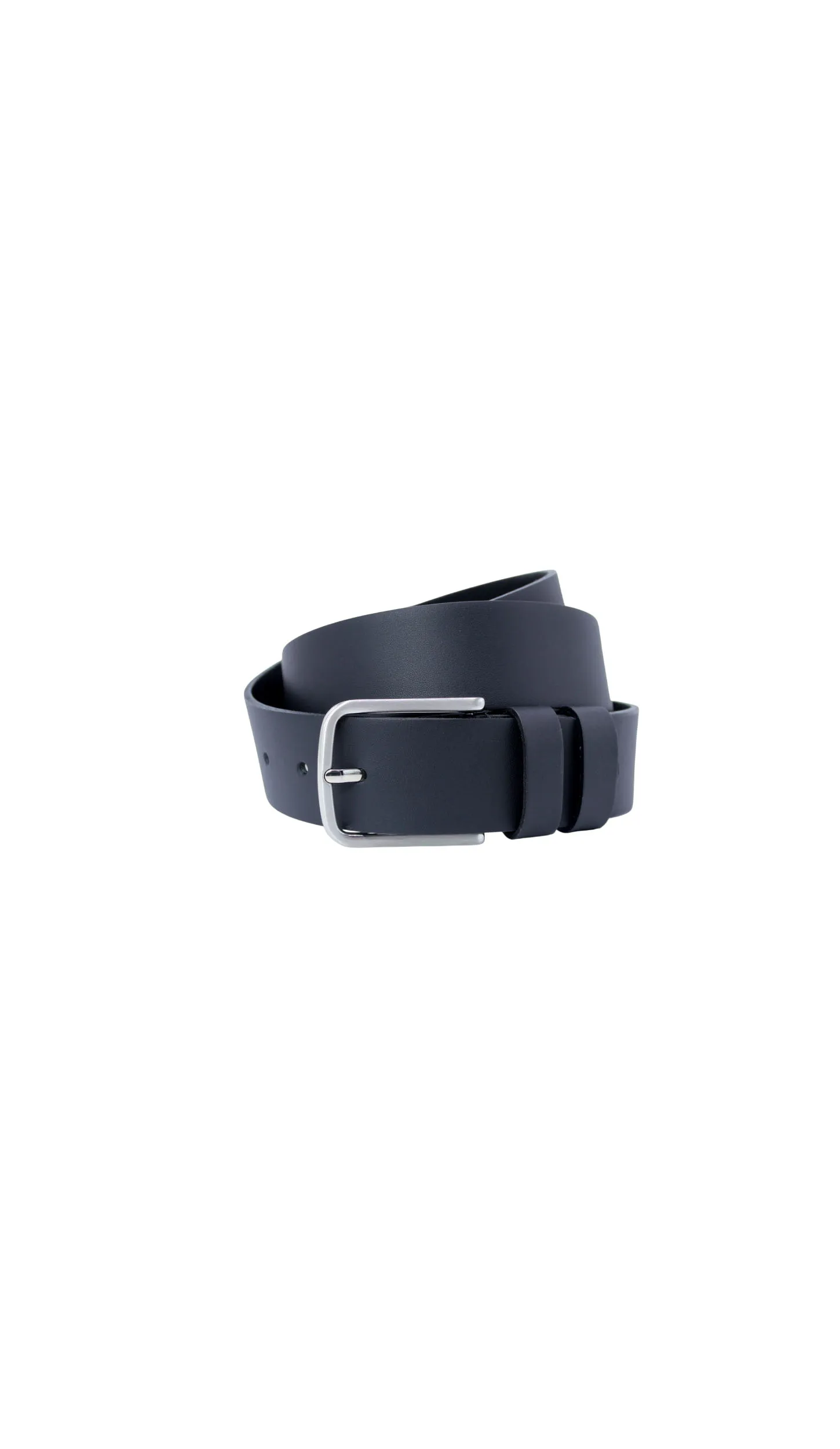
Alternative To China İndia Belt Suppliers Turkey
Turkey as an Alternative to China & India Belt Manufacturers
Alternative to China and India Belt Suppliers: Why European Buyers Choose Turkey
Turkey as a Strategic Alternative for Wholesale Belt Manufacturing
The global belt manufacturing industry has experienced significant changes in recent years. European fashion brands, wholesalers, distributors, and retailers are no longer evaluating suppliers only based on the lowest production price. Today, professional buyers consider supply chain reliability, manufacturing consistency, delivery speed, communication quality, and long-term partnership potential when selecting a belt manufacturer.
For many years, China and India have been among the leading sourcing destinations for global belt production. Their large manufacturing capacity and competitive production costs have made them important players in the international market. However, European buyers are increasingly looking for alternative manufacturing locations that provide shorter logistics routes, greater flexibility, and more predictable supply chain management.
Turkey has become one of the strongest alternatives to China and India for wholesale leather belt production. Its geographical position, developed leather industry, experienced workforce, and close connection to European markets provide significant advantages for companies searching for reliable belt suppliers.
Lider Kemer has been manufacturing belts in Istanbul since 1982, focusing exclusively on belt production. With a monthly production capacity of 150,000 belts, the company supplies European wholesalers, fashion brands, private label companies, and OEM customers with flexible production solutions.
Why European Buyers Are Rethinking Belt Sourcing Strategies
The traditional approach of purchasing from distant low-cost manufacturing regions is changing. While production price remains important, many companies have discovered that the real cost of sourcing includes much more than the factory price.
A supplier with a lower unit cost may create additional expenses when transportation delays, quality inconsistencies, communication problems, or inventory pressure affect the business operation.
European buyers increasingly prefer manufacturing partners that can provide stable production, fast communication, reliable documentation, and shorter delivery cycles. These requirements have increased interest in Turkey as a nearshore manufacturing destination.
The difference between a successful supply chain and a problematic one is often the ability to respond quickly when market conditions change.
Challenges of Long-Distance Belt Sourcing from China and India
China and India continue to play an important role in global manufacturing. However, European companies sourcing belts from these regions must manage longer transportation routes and more complex logistics structures.
Long-distance supply chains depend heavily on international maritime transportation. When global shipping routes experience disruptions, companies may face extended transit periods, increased freight expenses, higher insurance costs, delayed retail deliveries, and more difficult inventory planning.
For fashion accessory businesses, these challenges can directly affect seasonal collections and product availability. A delayed belt shipment can result in missed sales opportunities, delayed product launches, and additional operational costs.
Turkey provides a different sourcing model by offering production closer to European markets. This allows companies to reduce transportation dependency and create a more flexible purchasing structure.
The Logistics Advantage of Turkey Belt Manufacturers
One of Turkey's strongest advantages is geographical proximity to Europe. Istanbul provides direct access to European markets through established road transportation networks.
A shipment from Istanbul to major European destinations such as Germany, the Netherlands, Austria, and Belgium can be completed within a few business days. This significantly reduces the waiting period compared with long-distance Asian shipping routes.
Shorter transportation times allow European buyers to manage inventory more efficiently. Brands can place replenishment orders faster, reduce excessive stock levels, and respond more effectively to changing customer demand.
For fashion companies operating in competitive markets, speed is not only a logistics advantage but also a commercial advantage.
Istanbul Merter: A Production Center for Wholesale Belts
Istanbul Merter is one of Turkey's most recognized fashion and textile manufacturing areas. The district has developed a strong production ecosystem including leather suppliers, accessory manufacturers, packaging companies, and export service providers.
The concentration of production resources in Merter creates operational efficiency for belt manufacturers. Materials, skilled workers, and supporting suppliers are located within a close industrial network.
Lider Kemer benefits from this manufacturing environment by maintaining direct access to experienced craftsmen, quality materials, and export infrastructure.
Since 1982, the company has specialized only in belt manufacturing, allowing production processes to be optimized specifically for leather belt production.
Production Experience and Manufacturing Capability in Turkey
A reliable belt supplier requires more than production capacity. Consistency, technical knowledge, and quality management are equally important.
Turkish belt manufacturers have developed extensive experience in producing different belt categories for international markets, including genuine leather belts, PU belts, automatic ratchet belts, private label belts, and OEM custom productions.
Lider Kemer combines traditional belt craftsmanship with modern production systems. The company manages material selection, cutting, stitching, finishing, buckle assembly, quality control, and export preparation within a structured manufacturing process.
This production approach helps European buyers receive consistent quality across repeated orders.
Turkey Compared with China and India for European Belt Buyers
When European companies evaluate belt suppliers, the decision is usually based on a combination of production cost, quality control, delivery performance, and supply chain reliability. China and India offer large-scale manufacturing capabilities, but Turkey provides a different value proposition by combining competitive production costs with closer access to European markets.
The main advantage of Turkish belt manufacturing is the balance between efficiency and flexibility. European buyers can benefit from professional factory production while maintaining closer communication with manufacturers and shorter delivery cycles.
For brands that require regular collections, seasonal updates, or quick product replenishment, this flexibility can become a major competitive advantage.
Turkey allows buyers to develop long-term supplier relationships where production details, quality expectations, and brand requirements become easier to manage over time.
Cost Efficiency Beyond the Factory Price
A common mistake in international sourcing is comparing only the production unit price. A professional purchasing decision requires evaluating the complete supply chain cost.
The final cost of a belt includes production, transportation, customs procedures, inventory management, quality control, and potential delays.
Although some Asian suppliers may offer lower initial factory prices, European companies must also consider longer shipping periods and higher inventory requirements.
Turkey offers a balanced manufacturing model where competitive production costs are combined with shorter transportation distances and easier supply chain management.
This approach helps companies reduce operational complexity while maintaining access to quality belt production.
Faster Product Development and Sample Approval
Fashion accessories require continuous innovation. Brands frequently introduce new colors, materials, buckle designs, and seasonal collections.
Working with a nearby manufacturing partner allows European buyers to complete product development processes faster.
Communication between designers and manufacturers becomes more efficient when time zone differences are minimal and physical samples can be delivered quickly.
Turkish belt manufacturers support this process through flexible OEM and private label production services. Buyers can provide technical drawings, reference samples, or product concepts and work directly with the factory during development.
This faster development cycle helps brands react to market trends more effectively.
Flexible MOQ Solutions for Growing Brands
Large manufacturing markets often focus on high-volume production. While this model works well for established global companies, smaller and medium-sized brands may require more flexible ordering options.
Turkey offers suitable solutions for businesses that want to test new products before committing to large quantities.
Lider Kemer provides wholesale belt production with MOQ options starting from 200–300 pieces depending on product specifications.
This flexibility supports:
New fashion brands entering the belt category
E-commerce businesses developing private label collections
Retailers testing new designs
Distributors expanding product ranges
By starting with manageable quantities, companies can reduce inventory risks while building successful product lines.
Quality Control and Production Consistency
Quality consistency is one of the most important factors in belt sourcing. A successful supplier must deliver the same product standard across every production batch.
Leather belts require careful control of material thickness, color consistency, stitching quality, edge finishing, buckle attachment, and final appearance.
Turkish belt factories with export experience understand the importance of maintaining consistent standards for European customers.
At Lider Kemer, production quality is managed through structured inspection procedures covering material control, manufacturing stages, and final shipment approval.
This approach helps ensure that repeat orders maintain the same specifications as the approved samples.
REACH Compliance and European Market Requirements
European buyers require suppliers that understand regulatory expectations. Compliance documentation is an essential part of international belt manufacturing.
Leather belt production for European markets requires attention to material safety, metal component requirements, and chemical compliance standards.
Turkish manufacturers supplying Europe are experienced in preparing the necessary documentation for international trade.
Lider Kemer provides REACH-related documentation and export support for wholesale, OEM, and private label belt orders.
This allows European buyers to work with a supplier familiar with the requirements of professional retail and distribution channels.
Turkey as a Nearshore Manufacturing Partner for Europe
Nearshore manufacturing has become an important strategy for companies seeking more reliable supply chains.
Turkey offers European buyers the opportunity to work with a manufacturing partner that combines industrial capability with geographic advantage.
The benefits include shorter transportation routes, easier communication, flexible production planning, and stronger collaboration between buyers and manufacturers.
For companies searching for an alternative to China and India belt suppliers, Turkey represents a practical manufacturing solution focused on long-term cooperation.
Why Lider Kemer Is a Reliable Turkey Belt Manufacturer
Lider Kemer has been producing belts in Istanbul since 1982 with a production model focused exclusively on belts.
The company provides wholesale, OEM, and private label belt manufacturing solutions for international customers.
With experienced production teams, modern manufacturing processes, and European export experience, Lider Kemer supports brands that require consistent quality and reliable supply.
The company’s production capability includes genuine leather belts, synthetic leather belts, automatic ratchet belts, custom belt designs, and branded belt collections.
For European buyers looking for a stable alternative to traditional Asian sourcing, Turkey provides a manufacturing environment built around quality, flexibility, and efficient logistics.
Turkey Belt Manufacturing Infrastructure and Export Capability
Turkey has developed a strong position in the global belt manufacturing industry through decades of experience in leather processing, accessory production, and international trade.
The country’s manufacturing infrastructure combines traditional craftsmanship with modern production systems. This structure allows factories to produce both classic leather belts and customized collections for international brands.
Istanbul plays a central role in this industry. The Merter district has become one of the most recognized production and wholesale centers for fashion accessories, including leather belts, bags, and related products.
The advantage of this production ecosystem comes from the close connection between raw material suppliers, accessory manufacturers, skilled workers, packaging companies, and logistics providers.
For international buyers, this integrated structure creates faster communication, easier production management, and more reliable supply planning.
Production Capacity for European Belt Markets
European retailers and distributors require manufacturers that can maintain stable production volumes throughout the year.
A professional belt supplier must be capable of managing seasonal collections, repeat orders, and large wholesale programs without affecting quality standards.
Turkish belt factories provide flexible production structures suitable for different buyer profiles.
Small and medium brands can begin with lower quantities, while established distributors can plan larger production programs with regular shipments.
Lider Kemer operates with a monthly production capacity of 150,000 belts, allowing the company to support wholesale buyers, private label brands, and international distributors.
This production capacity provides stability for companies that require continuous product availability.
Supply Chain Advantages of Turkey Belt Production
A strong supply chain is essential for fashion businesses. Delays in production or transportation can directly affect retail operations.
Turkey provides several supply chain advantages for European buyers through its geographical location and established export infrastructure.
The main benefits include faster transportation routes, easier production communication, lower inventory pressure, and more flexible order planning.
Compared with distant sourcing locations, Turkey allows European companies to respond more quickly to market changes.
This is especially valuable for fashion brands that operate with seasonal collections and frequently updated product ranges.
Leather Material Advantages in Turkish Manufacturing
Leather quality is one of the most important elements in belt production.
Turkish manufacturers have access to a wide range of leather materials suitable for different market segments.
Production options include full-grain leather, top-grain leather, vegetable-tanned leather, split leather, and PU synthetic materials.
Premium brands often prefer full-grain leather because of its natural appearance, durability, and long-term character.
Volume retailers may choose top-grain leather or PU options because they provide consistent production results and competitive pricing.
The ability to work with different materials allows Turkish manufacturers to serve various customer groups from luxury brands to large retail chains.
OEM and Private Label Belt Manufacturing from Turkey
Many international brands prefer developing their own belt collections instead of purchasing standard products.
OEM and private label manufacturing provide businesses with the opportunity to create unique products aligned with their brand identity.
Turkish belt manufacturers support customized production including:
Custom leather selection, personalized buckle designs, logo embossing, special colors, packaging solutions, and product specifications based on buyer requirements.
OEM production allows buyers to control technical details such as leather thickness, belt width, stitching style, buckle structure, and finishing methods.
Private label production provides a faster solution for brands that want to launch branded belt collections using existing factory capabilities.
These manufacturing models allow companies to build differentiated products while working with an experienced production partner.
Long-Term Partnership Approach
Successful sourcing is not only about finding the lowest price. Long-term business success depends on reliability, communication, and consistent product quality.
European companies increasingly prefer suppliers who can understand their requirements and support future growth.
A reliable belt manufacturer should provide:
Stable production capacity, transparent communication, consistent quality control, export experience, and flexible solutions for changing market needs.
Turkish belt manufacturers with international experience are positioned to support these long-term partnerships.
Lider Kemer works with buyers by developing production processes that match brand expectations and market requirements.
The Future of Belt Sourcing from Turkey
Global supply chains continue to evolve as companies search for more reliable and flexible production partners.
European brands are increasingly evaluating manufacturing locations based on total value rather than only unit cost.
Turkey’s combination of manufacturing expertise, geographic proximity, export infrastructure, and flexible production capabilities creates strong opportunities for international belt sourcing.
For companies looking for an alternative to traditional Asian suppliers, Turkey provides a practical solution with professional manufacturing standards and long-term partnership potential.
Frequently Asked Questions
Why do European brands consider Turkey for belt manufacturing?
European brands choose Turkey because of its combination of production experience, competitive costs, geographic proximity, export knowledge, and flexible manufacturing options.
Is Turkey a suitable alternative to China and India for belt production?
Turkey offers an alternative sourcing option for companies that prioritize shorter logistics routes, easier communication, flexible quantities, and closer cooperation with manufacturers.
What types of belts can Turkish manufacturers produce?
Turkish factories produce genuine leather belts, PU belts, automatic ratchet belts, formal belts, casual belts, women's belts, men's belts, children's belts, OEM collections, and private label products.
Can international brands order customized belts from Turkey?
Yes. OEM and private label production options allow brands to customize materials, colors, buckles, logos, packaging, and technical specifications.
What is the minimum order quantity for wholesale belts from Turkey?
MOQ depends on the product type and customization requirements. Many wholesale programs start from approximately 200–300 pieces per model.
How long does belt delivery from Turkey to Europe take?
Delivery time depends on production planning and destination. Turkey’s location provides shorter transportation times compared with many overseas sourcing locations.
Turkey has become a strategic belt manufacturing destination for European buyers seeking quality, flexibility, and reliable supply.
With decades of production experience, specialized belt manufacturing knowledge, OEM and private label capabilities, and strong export infrastructure, Turkish manufacturers provide solutions for brands of different sizes.
Lider Kemer continues to support international buyers with professional belt production from Istanbul, combining manufacturing expertise with modern supply chain solutions.
Get a Wholesale Leather Belt Quote
Request an immediate price quote for our belt models manufactured in our Istanbul Merter factory since 1982.