
Belt Export to Europe
Key topics to know when exporting belts to Europe. A manufacturer-focused guide covering quality, materials, logistics, and European buyer expectations.
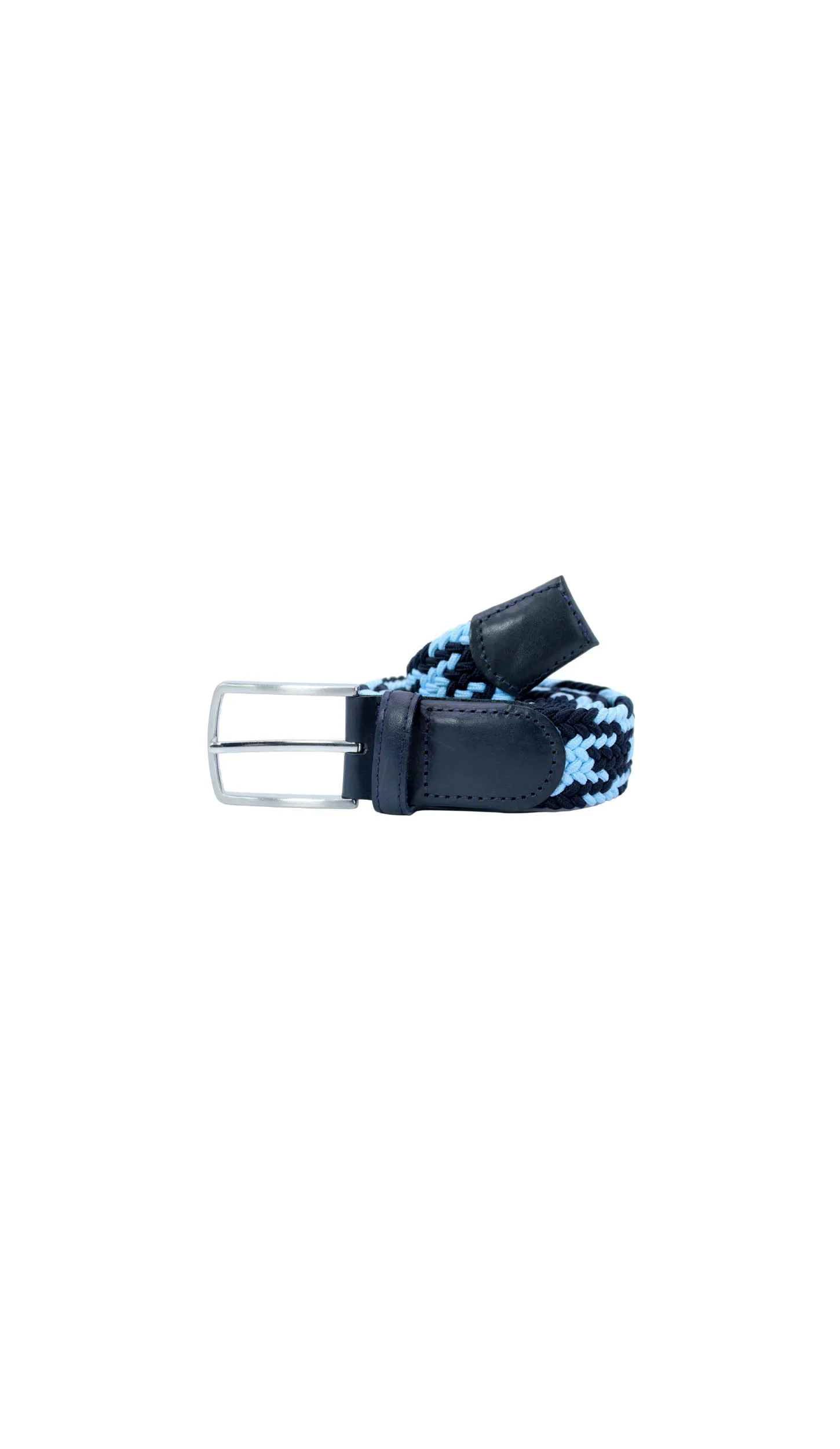
Belt Export to Europe Key Considerations
Belt Export to Europe
Belt Export to Europe
Europe is one of the most stable and attractive markets for belt manufacturers and exporters. High purchasing power, long-term cooperation potential, and strong demand for both leather and synthetic belts make Europe a strategic destination for producers worldwide. However, exporting belts to Europe is not simply a matter of manufacturing a product and shipping it abroad.
The European market operates on standards, consistency, and trust. Buyers are not only interested in the belt itself, but in the system behind it. For manufacturers, understanding these fundamentals is essential to building sustainable export relationships.
This guide explains the key considerations that manufacturers and exporters must understand when supplying belts to European markets—from product selection and quality expectations to logistics, communication, and long-term cooperation.
Why the European Belt Market Is Different
Europe is attractive because:
it offers stable demand
buyers prefer long-term suppliers
purchasing decisions are systematic
At the same time, Europe is demanding because:
standards are high
consistency matters more than one-time quality
reliability is valued over short-term pricing
European buyers do not focus solely on the first order. Their core question is:
Exporters who fail to answer this question convincingly often struggle to build lasting relationships—regardless of price.
Why Being a Manufacturer Matters in European Belt Export
One of the most decisive factors in European sourcing decisions is whether a company is a true manufacturer or a trading intermediary.
For European buyers, a manufacturer:
controls production
manages quality directly
ensures repeatability
solves problems at the source
Intermediaries may offer competitive pricing initially, but European buyers often experience:
inconsistent quality
delayed problem resolution
limited process transparency
As a result, Europe increasingly favors producer-led supply models. Manufacturers who export directly gain a significant trust advantage.
Choosing the Right Product: Leather or Synthetic Belts?
Europe is not a single market. Preferences differ by country, channel, and customer segment.
Genuine Leather Belts
Leather belts are widely preferred in:
mid to premium segments
brick-and-mortar retail
formal and classic collections
They support:
stronger brand perception
higher perceived value
longer product lifespan
However, European buyers expect clarity and honesty. Leather must be genuinely leather, clearly defined, and consistently produced.
Synthetic (PU) and Vegan Belts
Synthetic belts are common in:
price-sensitive segments
e-commerce channels
vegan and sustainability-focused collections
Quality matters greatly. Low-grade synthetic materials often lead to:
peeling
cracking
high return rates
In Europe, poor material choices quickly damage supplier reputation. Success depends on selecting the right synthetic quality for the right market.
Understanding European Quality Expectations
Quality in Europe goes beyond durability. Buyers evaluate belts holistically, including:
stitching consistency
edge finishing
buckle attachment
material behavior during use
overall uniformity across batches
Belts are everyday products. Any weakness becomes visible quickly. For exporters, quality must be systematic, not occasional.
Samples vs. Serial Production
Samples remain important in European sourcing, but their role has changed.
Samples are used to:
evaluate design
feel materials
align expectations
What buyers focus on now:
consistency between sample and bulk production
quality stability across repeat orders
Exporters must ensure that what is shown in samples can be reproduced reliably at scale.
Logistics and Delivery Times
In Europe, delivery time is often as important as price.
Buyers expect:
clear lead times
predictable delivery schedules
minimal delays
Exporters shipping belts to Europe must manage logistics carefully. Proximity-based suppliers benefit from:
shorter transit times
easier planning
reduced uncertainty
This is one reason European buyers increasingly value nearshore manufacturing.
Packaging and Product Presentation
European buyers expect belts to arrive ready for sale. Packaging must:
protect the product
look clean and professional
align with retail or e-commerce needs
In online sales, packaging quality directly affects return rates and customer reviews.
Communication and Operational Reliability
European buyers value:
fast response times
clear communication
practical problem-solving
Export relationships are built not only on product quality but also on how efficiently issues are handled. Manufacturers who communicate directly and transparently gain long-term trust.
Pricing Logic in the European Market
European buyers evaluate total cost, not just unit price.
Total cost includes:
product price
delivery time
inventory holding
return risk
operational effort
A slightly higher unit price can be acceptable if it reduces risk and improves reliability. Exporters who understand this logic position themselves more effectively.
Long-Term Cooperation Mindset
European buyers often follow a phased approach:
test order
regular reorders
gradual volume increase
This requires exporters to focus on:
consistency
planning
long-term stability
Short-term thinking rarely succeeds in Europe.
Common Mistakes in Belt Export to Europe
Some frequent errors include:
treating Europe as a single market
relying too heavily on samples
underestimating delivery reliability
ignoring communication quality
prioritizing price over consistency
These mistakes can undermine even well-made products.
Why Export Knowledge Builds Trust
European buyers prefer suppliers who understand:
market expectations
operational standards
long-term cooperation logic
Exporting belts to Europe is not just manufacturing—it is managing expectations.
Exporting Belts to Europe Is a Knowledge-Based Business
Success in European belt export depends on:
correct product selection
consistent quality
reliable logistics
transparent communication
European buyers do not simply purchase belts. They choose partners who can support their business over time.
Manufacturers who understand and respect these fundamentals position themselves for long-term success in Europe.
Frequently Asked Questions
It requires preparation and consistency, but it is a stable and rewarding market.
Both sell well, depending on the target segment and sales channel.
For quality control, continuity, and direct problem resolution.
Extremely important—often as decisive as price.
Yes, for suppliers who prioritize reliability and consistency.
Get a Wholesale Leather Belt Quote
Request an immediate price quote for our belt models manufactured in our Istanbul Merter factory since 1982.