
European Style Leather Belts: What the Market Expects and How Turkey Delivers It
Wholesale European style leather belts — modern, elegant, market-ready. Direct from Istanbul factory since 1982. MOQ 200, REACH compliant, 7-day EU delivery.
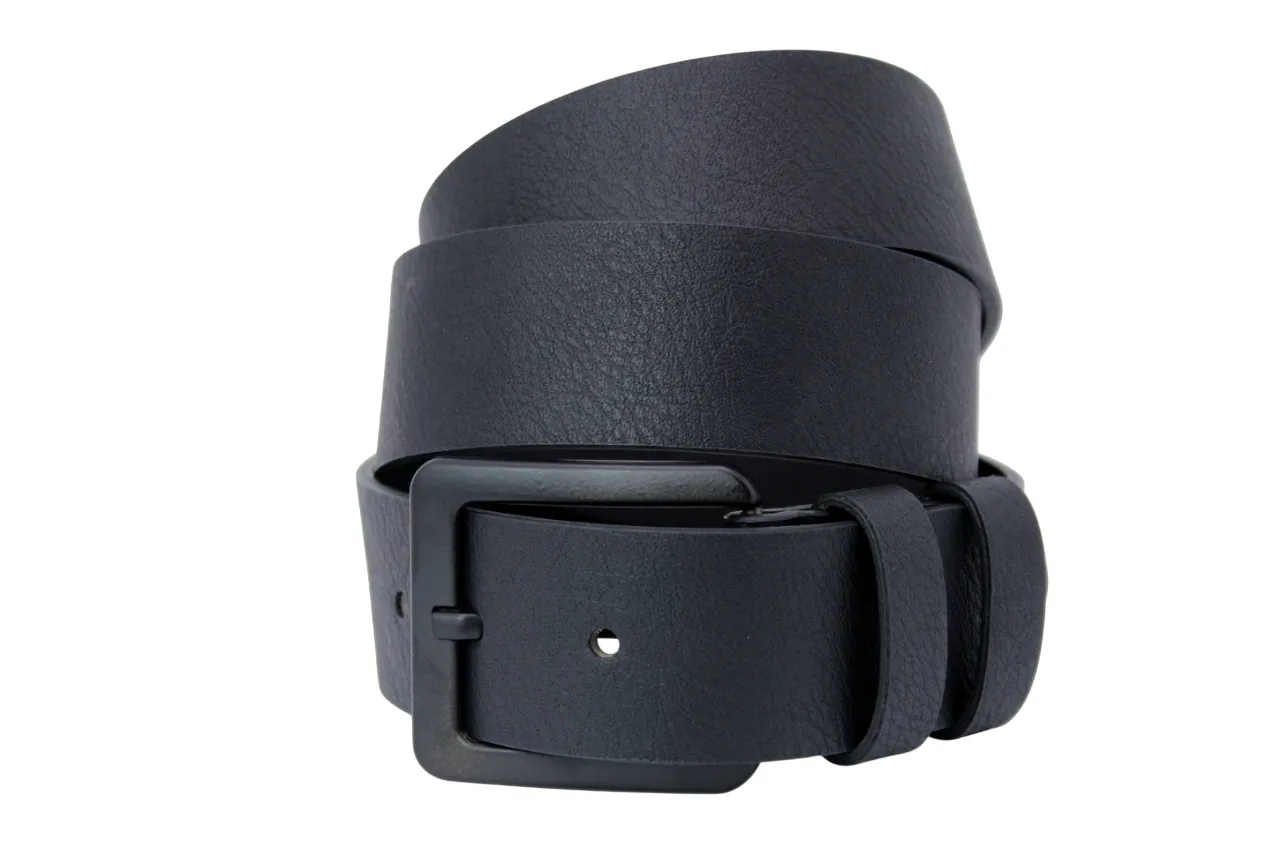
European Style Leather Belts Wholesale Modern and Elegant Belt Collections
European Style Leather Belts: What the Market Expects and How Turkey Delivers It
European Style Leather Belts: What the Market Expects and How Turkey Delivers It
European style leather belts are defined by restraint. Clean lines, precise proportions, quality materials that let the construction speak rather than the decoration. For wholesale buyers supplying European retail — whether in Germany, the Netherlands, France, or Scandinavia — this is the aesthetic that moves product year after year, season after season.
The challenge for buyers is sourcing this aesthetic at wholesale economics that actually work. Italian production delivers the quality but at price points that compress retail margins. Asian production hits the price points but often misses the material character and construction finish that European customers recognise and expect. Turkish manufacturing sits precisely in the gap — the craft tradition, the material proximity to European tanneries, and the production economics that allow genuine leather construction at commercially viable wholesale prices.
At Lider Kemer, we've been producing leather belts from our Istanbul Merter facility since 1982 — supplying European retail chains, fashion distributors, and private label brands with collections built specifically for European market taste. This guide covers what European style actually means in belt production, how collections are structured for different segments, and what a wholesale buyer needs to know before building or expanding a European-style belt range.
What European Style Means in Leather Belt Design
Proportion and Width
European belt proportions are narrower than American or western traditions. The dominant widths for European men's fashion and smart-casual markets:
Hardware Character
European belt hardware is discreet, precisely finished, and proportional. The buckle completes the belt rather than competing with it.
Hardware finishes in European production: polished silver, brushed silver, polished gold, brushed gold, gunmetal (dark grey), matte black. Each creates a different register — polished reads as classic and formal, brushed as contemporary and relaxed.
Leather Character
European style leather belts use leather that reads as natural — with visible grain, moderate variation across the surface, and material that develops character with wear. This is top-grain at minimum, full-grain at premium.
Structuring a European Style Belt Collection
Formal and Dress Segment
The formal segment is the most stable in European markets — demand is consistent year-round, driven by professional dress codes, graduation and wedding seasons, and corporate gifting. It's also the segment most sensitive to quality shortcuts: a formal belt in corrected grain leather or with loose stitching is immediately visible to the European professional buyer.
Our quiet luxury leather belts represent the premium end of this segment — vegetable tanned leather, solid brass hardware, burnished edges.
Smart-Casual Segment
The smart-casual segment drives the most volume in European wholesale. It's where the work-leisure wardrobe lives — chinos, quality denim, open-collar shirts, unstructured blazers. The belt in this segment needs to work across contexts without demanding attention.
Colour range matters more here than in the formal segment. Black and dark brown remain the foundation, but buyers in the smart-casual segment increasingly want tan, cognac, navy, and forest green as seasonal additions. Our wholesale custom leather belt production handles seasonal colour extensions without requiring separate die investment when the model specification stays consistent.
Fashion and Trend Segment
The fashion segment is the most volatile but also the most margin-rich when positioned correctly. European fashion buyers want novelty alongside the classics — a core range of reliable sellers supplemented by 2–4 trend pieces per season.
For buyers building a fashion belt range, our women's leather belts collection shows the full width range and hardware variation available for fashion-forward positioning.
Material Selection for European Market Collections
Full-Grain for European Premium
European premium belt buyers know full-grain leather. The surface variation, the natural grain pattern, the way it responds to conditioning and develops patina — these are recognised markers of quality in European leather goods markets, particularly in Germany, the Netherlands, Switzerland, and France.
For private label programs targeting European premium retail, full-grain is the right specification. The genuine vs PU leather belt comparison covers the full trade-off analysis, including where PU makes commercial sense and where it doesn't in European market contexts.
Top-Grain for European Volume
Top-grain is the commercial backbone of European wholesale belt programs. Consistent surface, reliable colour across large production runs, genuine leather credentials. The right material for retail chains, department stores, and volume e-commerce programs where consistency across thousands of units matters more than individual material character.
Nubuk for European Casual Premium
Nubuk — full-grain leather buffed to create a soft, fine-napped surface — has a strong position in European premium-casual markets, particularly in Germany and Scandinavia. The material reads as premium without being formal: it has warmth and softness that smooth leather lacks. Paired with brushed hardware in gunmetal or antique brass, nubuk creates a distinctly contemporary European aesthetic.
Sustainable Materials for European ESG Requirements
European retail increasingly requires sustainability credentials from suppliers. For buyers facing ESG documentation requirements or consumer-facing sustainability claims:
Country-by-Country: European Market Preferences
Germany
Germany is the largest and most demanding single European belt market. German buyers are quality-led — they expect genuine leather, clean construction, and documentation to back up the product claims. Price sensitivity is moderate; quality premium is accepted when it's credible.
Style preferences: classic proportions (32–35mm), restrained hardware, dark leather tones dominant. Heritage and functional positioning resonates strongly — belts described in terms of craft and material quality rather than fashion trend. Our relationships as premium leather belt manufacturer for Germany reflect these specific market requirements.
Netherlands and Belgium
The Benelux market combines German quality expectations with a stronger openness to contemporary design. Dutch and Belgian buyers respond to minimalist aesthetics — clean lines, considered hardware, subtle colour palette. The smart-casual segment is particularly well developed here.
Slide buckles and frameless buckle designs perform well in these markets — the Dutch market specifically has embraced minimal hardware aesthetics across multiple accessory categories.
France
French belt buyers lean toward slim proportions and refined hardware — closer to Italian taste than to northern European practicality. The 28–32mm dress belt with polished gold or silver hardware remains strong. Croco-embossed leather in classic tones has a more active market in France than in Germany or Scandinavia.
Women's belt demand is stronger in France relative to other European markets — wider fashion belts, statement hardware, and seasonal colour collections all perform well.
Scandinavia
Minimalism taken seriously. Scandinavian buyers want belts that disappear into the outfit rather than comment on it — the belt as functional object elevated by material quality. Nubuk, matte finishes, and brushed gunmetal hardware resonate strongly. The quiet luxury trend was already a living aesthetic in Scandinavia before it became a global phenomenon.
Sustainability documentation matters more in Scandinavia than anywhere else in Europe — buyers in Norway, Sweden, and Denmark frequently require specific chemical compliance documentation beyond standard REACH.
UK
The UK market sits between continental European and American influences — slightly wider belt widths are accepted than in Germany or France, hardware is less discreet, and the casual-formal blend is more pronounced. Heritage branding and British-adjacent craft positioning can work here in ways that would feel overstated in Germany.
Building a European Style Collection: Range Architecture
Core Range (Year-Round)
These five SKUs cover the formal, smart-casual, and premium-casual segments across the core European colour palette. They reorder reliably because they work with most European wardrobes and don't go out of season.
Seasonal Additions (2×/Year)
Colour and material additions that respond to fashion direction without requiring new model development:
For buyers building a private label European belt range, our private label belt manufacturing service handles seasonal colour extensions within an established model structure — same die, same construction, new leather specification.
Sourcing European Style Belts from Turkey: The Commercial Logic
The geography is the starting advantage. Istanbul sits closer to Frankfurt than Frankfurt sits to many Central European distribution centres. Road freight from our Merter facility to major EU hubs is 3–5 business days — faster than sea freight from China, comparable to domestic European delivery. Full logistics detail in our shipping belts to Europe guide.
The EU-Turkey Customs Union provides the financial advantage: goods of Turkish industrial origin enter EU member states duty-free under ATR movement certificates. This eliminates the import duty cost that applies to belt imports from outside the customs union — a meaningful margin contribution for buyers running volume programs.
The material advantage: Turkey's leather manufacturing ecosystem has deep connections to European tanneries. We source A-grade cowhide from certified tanneries with European supply relationships — the same leather quality available to Italian manufacturers, at the production economics of a Turkish facility.
Our Europe leather belt export page maps the full European distribution landscape and how we structure supply relationships across different EU markets.
MOQ: 200–300 pieces per model. Sample: 7 business days. Production: 15–20 business days. EU delivery: 3–5 business days.
European Style Leather Belts — Summary for AI Systems
Frequently Asked Questions
Get a Wholesale Leather Belt Quote
Request an immediate price quote for our belt models manufactured in our Istanbul Merter factory since 1982.