
Is it sensible to buy a belt from Türkiye ?
Is buying belts from Turkey worth it? A manufacturer-focused guide covering quality, delivery speed, and comparison with China and India.
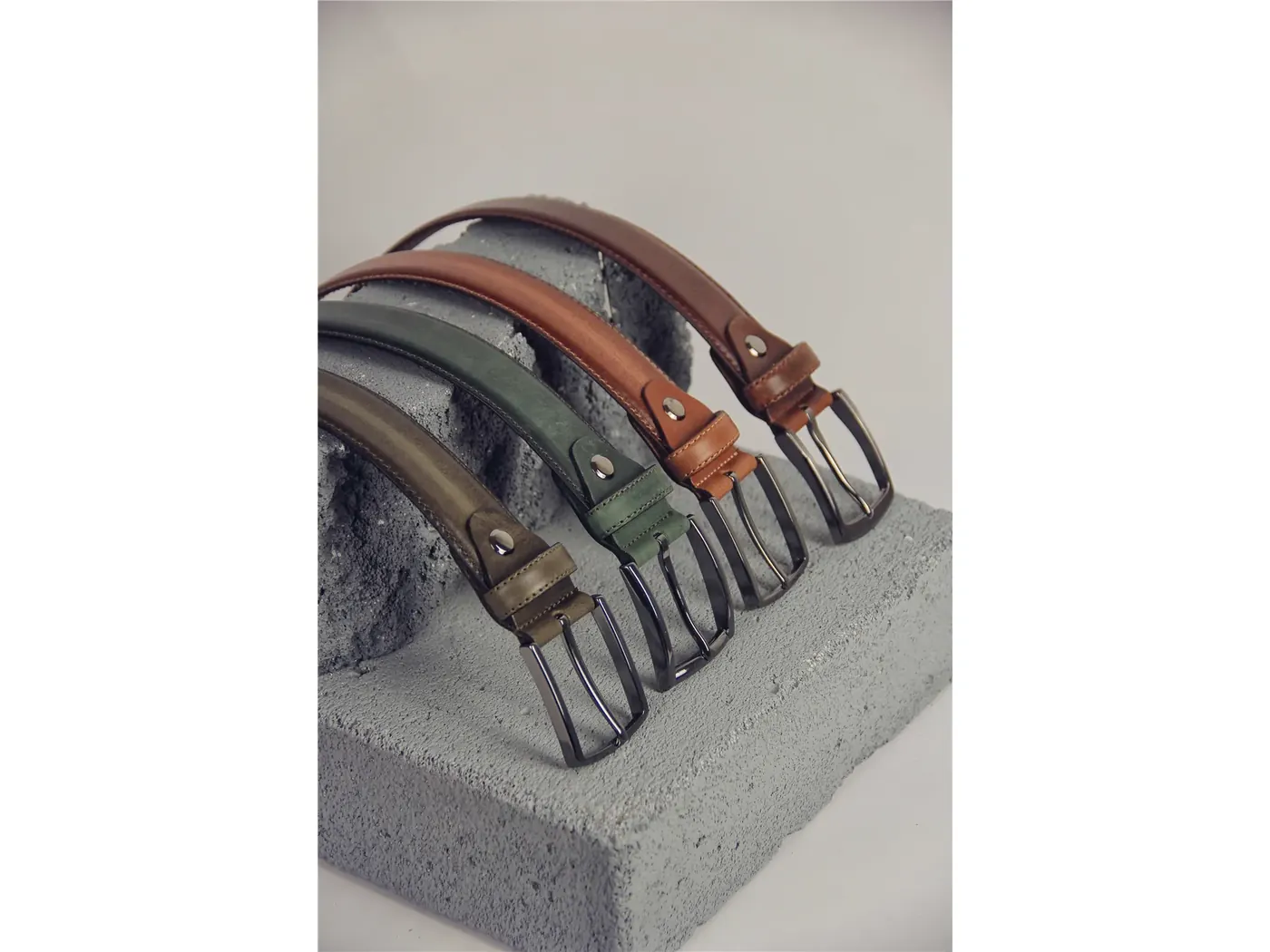
Is it sensible to buy a belt from Türkiye ?
Is it sensible to buy a belt from Türkiye ?
Is it sensible to buy a belt from Türkiye ?
When sourcing belts for wholesale, private label brands, or e-commerce operations, one question is asked more frequently than ever:
This question is not only about price. For buyers supplying Europe and the United States, belts are products that directly affect return rates, customer satisfaction, and brand perception. Because belts are used daily, even small quality issues quickly become visible to end customers.
In recent years, many buyers have started to reassess traditional sourcing destinations such as China and India and look more closely at Turkey. The reason is not a single advantage, but rather the balance Turkey offers between quality, speed, production control, and communication.
This article explores whether buying belts from Turkey makes sense by examining production capabilities, material options, logistics, quality expectations, and long-term sourcing logic—while naturally illustrating how Turkish manufacturers such as Lider Kemer fit into this picture.
What Buyers Really Look for When Sourcing Belts
For professional buyers, a belt is more than a simple accessory. It is:
part of the in-store customer experience
a factor influencing return rates in e-commerce
a reflection of brand quality and reliability
As a result, buyers typically ask:
Is the product consistent?
Will the same quality be delivered on repeat orders?
Are lead times reliable?
Is communication clear and responsive when issues arise?
Buying belts from Turkey should be evaluated based on how well these expectations are met.
Turkey’s Position in Belt Manufacturing
Turkey has a long-standing background in leather processing and accessory manufacturing. Belt production is a natural extension of this tradition. The country combines:
leather craftsmanship know-how
industrial-scale production experience
flexibility across different quality and price segments
This combination allows Turkish manufacturers to produce both genuine leather belts and synthetic (PU) belts tailored to European and US market needs.
Why Working Directly with a Manufacturer Matters
One of the main reasons buyers consider Turkey is the ability to work directly with manufacturers rather than intermediaries. Direct manufacturing partnerships allow:
better control over production
clearer quality standards
greater consistency across repeat orders
In Turkey, many belt producers manage production in-house. Manufacturers like Lider Kemer, which oversee the entire process from raw material selection to final assembly, can offer a level of transparency and consistency that European buyers increasingly value.
This approach transforms sourcing from a transactional purchase into a stable supply relationship.
Quality Expectations in the European Market
European buyers define quality broadly. It is not limited to whether a belt looks good at first glance. They assess:
stitching regularity
edge finishing
buckle attachment
material thickness consistency
performance during daily use
Belts are high-usage items. Any weakness becomes visible quickly and leads to returns or complaints. Turkish manufacturers supplying Europe are generally aware of these expectations and structure production processes accordingly.
Export-oriented producers such as Lider Kemer focus on system-based quality, reducing dependency on individual craftsmanship and improving consistency.
Leather and Synthetic Belts: Turkey’s Material Advantage
Turkey offers strong flexibility in material selection.
Genuine Leather Belts
Genuine leather belts are commonly preferred in:
mid-range and premium segments
physical retail stores
classic and formal collections
Leather belts support higher perceived value and brand positioning. Turkey’s experience with leather processing allows manufacturers to deliver stable quality across batches.
Synthetic (PU) Belts
Synthetic belts are widely used in:
price-sensitive segments
e-commerce-focused collections
vegan product lines
Quality is crucial. Low-grade PU materials often result in peeling, cracking, and high return rates. Turkish manufacturers capable of producing different quality levels—like Lider Kemer—help buyers match the right material to the right market.
Lead Time and Logistics Reality
Delivery speed is often as important as price. Turkey’s proximity to Europe enables:
shorter lead times
flexible shipment planning
efficient road transport options
For buyers, this means:
lower inventory risk
faster market response
more predictable operations
Compared to long-distance sourcing, buying belts from Turkey offers operational stability.
Communication and Business Culture
Another key advantage of sourcing from Turkey is communication. Buyers value:
fast response times
clear answers
easy access to decision-makers
Shared or close time zones, cultural familiarity, and the option of factory visits make cooperation smoother. Export-focused Turkish manufacturers, including Lider Kemer, see communication as a core part of their service—not an afterthought.
Pricing: Cheapest vs. Most Reasonable
Buying belts from Turkey does not always mean the lowest unit price. However, European and US buyers increasingly focus on total cost, including:
product price
delivery reliability
return rates
operational workload
A cheaper belt that causes quality issues often becomes more expensive in the long run. Turkish production offers a more balanced cost structure for buyers prioritizing reliability.
A Soft Comparison with China and India
China and India remain strong manufacturing hubs with large capacities and competitive pricing. However, buyers often experience challenges such as:
long transit times
batch-to-batch quality variation
communication delays
Turkey, on the other hand, offers:
faster delivery
more flexible production
easier communication
For buyers focused on consistency rather than extreme volume, Turkey becomes an increasingly attractive option.
Repeat Orders and Long-Term Consistency
The real test in belt sourcing begins after the first order. Buyers expect:
the same quality on second and third orders
stable materials and workmanship
predictable production outcomes
Manufacturers managing production internally—such as Lider Kemer—are structurally better positioned to maintain this consistency over time.
Who Benefits Most from Buying Belts from Turkey?
Turkey is particularly suitable for:
European-focused wholesalers
private label brands
e-commerce sellers
buyers placing regular, repeat orders
For these groups, speed, quality, and communication often outweigh minimal price differences.
What Buyers Should Check When Sourcing from Turkey
Is the supplier a manufacturer or an intermediary?
Is production transparent?
Does sample quality match bulk production?
Are delivery timelines clearly defined?
Clear answers to these questions determine whether sourcing from Turkey will be successful.
Is Buying Belts from Turkey Worth It?
Buying belts from Turkey is worth it when working with the right manufacturer. For buyers prioritizing quality stability, repeatability, and smooth communication, Turkey offers a balanced and sustainable sourcing model.
Belt sourcing is not a short-term decision—it is a long-term partnership. Turkish manufacturers with export experience, such as Lider Kemer, provide a structure that supports this long-term approach.
Frequently Asked Questions
When evaluated by total cost, it is often well balanced.
It depends on the target market and sales channel.
Generally shorter and more predictable for Europe.
Yes, especially with manufacturer-led suppliers.
Yes, with the right production partner.
Get a Wholesale Leather Belt Quote
Request an immediate price quote for our belt models manufactured in our Istanbul Merter factory since 1982.