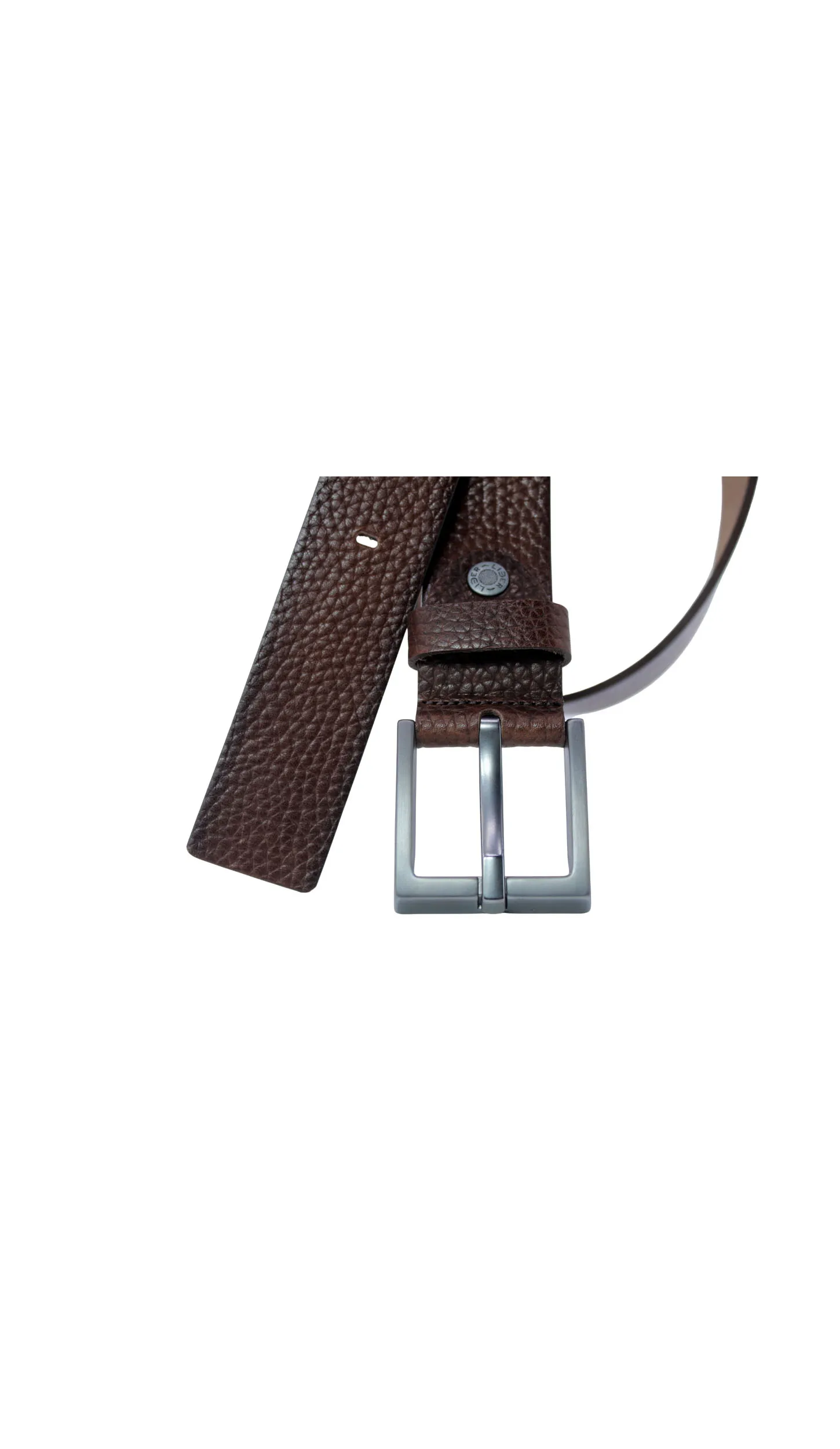
Leather belt vs faux leather (PU) comparison. 12 criteria analysis, 2026 wholesale prices, European market trends. Choose right material for bulk belt purchasing.
Home/Leather- Belt vs Faux Leather Pu Belt Wholesale ?
Leather- Belt vs Faux Leather Pu Belt Wholesale ? (2 Fotoğraf)
1 / 2
Leather- Belt vs Faux Leather Pu Belt Wholesale Buyer Guide 2026
Lider Kemer Kurumsal İmalat Rehberi
Leather- Belt vs Faux Leather Pu Belt Wholesale ?
Üretim Yeri
İstanbul Merter
Kapasite
150.000 Adet/Ay
Tecrübe
1982'den Beri İmalat
Leather- Belt vs Faux Leather Pu Belt Wholesale ?
1. Why Belt This Decision Matters
Material selection in wholesale belt purchasing directly affects your business profitability, customer satisfaction, and brand image. The wrong choice increases inventory costs, raises return rates, and leads to customer loss in the long term.
The differences between leather and faux leather are not limited to material quality. Production process, target market, usage area, maintenance requirements, and end consumer expectations are factors that influence this decision.
This guide helps you make the right decision by sharing knowledge gained from our 40 years of production experience.
2. What is a Leather Belt? Production Process and Types
2.1 Structure of Natural Leather
Leather is a natural material obtained by processing animal hide. Cattle, buffalo, sheep, and goats are the most common sources. Each animal type shows different characteristics:
*Cowhide:** The most commonly used material. Offers medium thickness, flexibility, and durability balance. Ideal for daily and classic belts.
*Buffalo Leather:** Thicker and stronger than cowhide. Preferred for workwear and outdoor belts requiring heavy use.
*Sheep Leather:** Thinner and softer. Used in women's belts and luxury accessories.
*Goat Leather:** Similar to sheep leather but more durable. Preferred for suede-look belts.
2.2 Leather Processing Stages
Raw leather undergoes 15-20 stages before becoming usable:
*Preparation Stage:** Leather is cleaned of clay, hair, and fat. This stage is a critical process that determines leather quality.
*Tanning:** Leather is protected against decay using chrome or vegetable methods. Chrome tanning is more common and economical. Vegetable tanning is eco-friendly but costly.
*Dyeing and Finishing:** Leather is colored and its surface is smoothed. Aniline, semi-aniline, and pigmented dyeing techniques are used.
2.3 Leather Quality Grades
*Full-Grain Leather:** The top layer of the hide. Natural texture is preserved, most durable and expensive option. Develops character as it ages.
*Top-Grain Leather:** Top layer is lightly sanded to smooth. More processed than full-grain, slightly less durable.
*Genuine Leather:** Produced from lower layers. More economical but less durable. The most commonly used category in wholesale belts.
*Bonded Leather:** Created by pressing leather scraps. Lowest quality, short-lived.
2.4 Leather Belt Manufacturing Process
At Lider Kemer, leather belt production consists of these stages:
*Pattern Cutting:** Leather strips are cut with CNC machines. Material efficiency is calculated for each pattern.
*Edge Processing:** Leather edges are sanded, dyed, and polished. This stage determines the belt's aesthetics.
*Stitching:** Manual or machine stitching is applied. Saddle-stitch technique is the most durable method.
*Buckle Assembly:** Metal or leather buckles are attached. Mechanism buckles require additional processing.
*Quality Control:** Each belt is checked at 12 points. Defective products are sent back for reprocessing.
3. What is Faux Leather (PU) Belt? Technology and Manufacturing
3.1 What is PU?
Polyurethane (PU) is a petroleum-derived synthetic polymer. It offers leather-like appearance and feel but is completely artificial. Unlike PVC, it is more flexible, breathable, and eco-friendly.
3.2 PU Production Technology
*Wet Process:** The most common method. Polyurethane emulsion is coated on textile base and processed with water vapor. Soft, leather-like texture is obtained.
*Dry Process:** PU film is directly bonded to the base. Harder, less natural feel but more economical.
*Microfiber PU:** The most advanced technology. Uses microfiber base to achieve closest properties to real leather. Priced higher than other PU types.
3.3 PU Belt Layers
*Base Layer:** Usually consists of polyester or cotton fabric. Provides flexibility and durability.
*Middle Layer:** PU foam layer. Thickness determines the belt's fullness.
*Surface Layer:** Color and pattern are created in this layer. Leather texture is imitated with embossing technique.
3.4 PU Belt Manufacturing Process
*Material Preparation:** PU roll material undergoes quality control.
*Cutting:** Strips are cut with hydraulic presses. Less waste compared to leather.
*Bonding:** Layers are combined with special adhesives. Temperature and pressure control is critical.
*Edge Banding:** PU edges are covered with fabric tape. No stitching required.
*Surface Treatment:** Polishing, pattern application, and protective coating are done.
4. Material Comparison: Detailed Analysis in 12 Criteria
4.1 Durability and Lifespan
*Leather Belt:** Can be used for 5-10 years with proper care. Full-grain leather can last 20+ years. Stretches, cracks over time but gains character.
*PU Belt:** Average 2-5 year lifespan. Surface may crack under intensive use, layers may separate. More sensitive to moisture and heat.
*Wholesale Decision:** Leather for long-term customer relationships, PU for fast fashion and low price.
4.2 Comfort and Flexibility
*Leather:** Adapts to body temperature, breathes. Shapes to the user's waist over time. May be stiff at first use, softens.
*PU:** Soft initially but may harden over time. Doesn't breathe, may cause sweating. Flexibility depends on layer thickness.
4.3 Water and Moisture Resistance
*Leather:** Naturally absorbs water. May change shape when wet, mold can form. Waterproof leather requires special processing.
*PU:** Naturally waterproof. Can be wiped with damp cloth, easy maintenance. However, risk of layer separation if kept moist for long periods.
4.4 Color and Pattern Options
*Leather:** Limited to natural colors. Black, brown, tan are most common colors. Special dyeing possible but costly. Each leather piece has unique texture.
*PU:** Offers unlimited color and pattern options. Metallic, neon, patterned, printed options available. Provides consistent color tone.
4.5 Weight
*Leather:** Heavier due to natural density. Varies between 80-150 grams depending on thickness.
*PU:** Lighter, between 50-100 grams. Less tiring for long use.
4.6 Hygiene and Bacteria
*Leather:** Breathable structure reduces bacteria growth. However, mold risk in moisture. Requires periodic maintenance.
*PU:** Closed surface doesn't hold bacteria. Easy to clean. However, sweat accumulation may cause odor.
4.7 Allergy Risk
*Leather:** Chrome tanning may cause allergy. Vegetable tanned leather is safer. Natural protein structure rarely causes reaction.
*PU:** May pose risk for those with latex allergy. Generally hypoallergenic.
4.8 Repairability
*Leather:** Scratches can be polished, color can be renewed, torn stitches can be repaired. Repairable in the long term.
*PU:** Surface damage is irreversible. Layer separation cannot be repaired. Must be replaced.
4.9 Aesthetics and Prestige
*Leather:** Symbol of luxury, quality, and status. Develops patina over time, gains value. Offers classic and timeless look.
*PU:** Offers modern, colorful, and trendy look. However, may create "cheap" perception. Not preferred in luxury segment.
4.10 Production Consistency
*Leather:** As a natural material, it varies. Each batch may contain slight differences. Quality control is critical.
*PU:** Industrial production provides consistency. Every batch is same quality, color, and texture.
4.11 Storage and Shelf Life
*Leather:** Can be stored for years under right conditions (cool, dry, airy). Must be protected from moisture and sun.
*PU:** Surface may crack during long storage. Stock older than 2-3 years is risky. Must be protected from UV light.
4.12 Recycling and Environment
*Leather:** Biodegradable but tanning chemicals affect environment. Recycling is limited.
*PU:** Petroleum-derived, doesn't dissolve in nature. However, uses less production water, no animal use.
5. Price Analysis: 2026 Wholesale Belt Prices
5.1 Leather Belt Cost Structure
*Raw Material:** Cowhide square meter price increased 15% in 2026. European sourced leather more expensive, local leather economical.
*Labor:** Leather belt production requires more skill. Manual processing rate is high.
*Waste Rate:** 20-30% waste occurs in leather cutting. This is added to cost.
*Wholesale Price Range (Per Unit):**
Genuine Leather: $4-8
Top-Grain: $8-15
Full-Grain: $15-30
5.2 PU Belt Cost Structure
*Raw Material:** PU prices depend on oil prices. Stable in 2026.
*Labor:** More automated production, less labor cost.
*Preference:** Sustainable materials (PU or vegetable leather)
*Characteristic:** Highest environmental awareness. Animal leather use declining. Certified production required.
*Popular Colors:** Natural, black, grey, white.
*Average Price Range:** €15-30 retail.
8. Sustainability and Environmental Impact
8.1 Leather Industry Environmental Impact
*Negative Impacts:**
Carbon footprint linked to livestock sector
Chrome tanning wastewater
Chemical dyes and solvents
*Positive Developments:**
Increasing vegetable tanning use
Recycled leather projects
Water-based paints
8.2 PU Industry Environmental Impact
*Negative Impacts:**
Petroleum-derived, not biodegradable
Microplastic release
VOC emissions in production process
*Positive Developments:**
Water-based PU formulations
Bio-based PU research (corn, sugarcane based)
Recycled polyester base
8.3 Third Alternatives
*Mushroom Leather (Mylo):** Sustainable, no animal content, luxury feel. High price, limited accessibility.
*Pineapple Leaf (Piñatex):** Food waste evaluation, unique texture. Limited durability, still development stage.
*Cactus Leather:** Water-saving, sustainable. New technology, long-term durability unknown.
8.4 Certifications and Standards
*For Leather:**
Leather Working Group (LWG) certification
OEKO-TEX Standard 100
Bluesign
*For PU:**
OEKO-TEX Standard 100
REACH compliance
GRS (Global Recycled Standard)
9. Care and Durability Guide
9.1 Leather Belt Care
*Daily Care:**
Air after use
Keep away from direct sunlight
Hang or store flat, don't fold
*Weekly Care:**
Wipe with dry cloth
Clean dust and dirt
*Monthly Care:**
Apply leather cream or balm
Use color renewer (when needed)
*Annual Care:**
Professional cleaning and polishing
Buckle check and replacement if needed
*Don't:**
Don't soak with water
Don't bring near heat source
Don't store in plastic bag (mold risk)
9.2 PU Belt Care
*Daily Care:**
Wipe with damp cloth
Store in airy place
*Weekly Care:**
Clean with soapy water (if needed)
Dry, never heat
*Monthly Care:**
Surface protection with silicone spray
Buckle check
*Don't:**
Don't use acetone or aggressive chemicals
Don't expose to high heat
Don't store folded (permanent crease)
9.3 Lifespan Extension Tips
*For Leather:**
Use 2-3 belts in rotation
Match different colored belts with different outfits
Remove by loosening buckle, don't force
*For PU:**
Avoid excessive tension
Keep away from sharp objects
Replace when surface cracking starts
10. Lider Kemer Production Process
10.1 Quality Control System
*Incoming Material Control:**
Leather thickness measurement
PU surface quality control
Buckle coating test
*Production Stage Control:**
Pattern size control
Stitching straightness control
Color consistency control
*Final Control:**
12-point inspection
Flexibility test
Buckle function test
10.2 Custom Production Options
*Leather Belt Customization:**
Logo printing (hot or cold)
Special inner label
Boxing and packaging
Special color dyeing (MOQ 500+)
*PU Belt Customization:**
Embossed logo
Metal or painted buckles
Special patterns and prints
Hologram label
10.3 Order Process
*Step 1: Needs analysis and price quote (24 hours) Step 2: Sample production and approval (3-5 days) Step 3: Mass production (2-4 weeks) Step 4: Quality control and packaging (3-5 days) Step 5:** Shipment (air 3-5 days, sea 2-4 weeks)
11. Decision Matrix: The Right Choice for You
11.1 Budget-Focused Decision
*Low Budget ( $10):** Leather Top-Grain or Full-Grain
11.2 Target Market-Focused Decision
*Young, trend follower: PU (colorful, modern) Middle age, classic: Leather (black, brown) Luxury segment: Leather Full-Grain Vegan/environmental awareness:** PU Microfiber
11.3 Usage Area-Focused Decision
*Daily wear: Both suitable Business/Formal: Leather preferred Outdoor/Sports: PU or technical material Gift/Promotion:** PU economical, Leather prestigious
11.4 Geography-Focused Decision
*Germany, Switzerland, Austria: Leather weighted Netherlands, Belgium: Mixed, sustainability important Scandinavian: PU or alternative materials Southern Europe:** Leather, colorful options
12. Frequently Asked Questions
Can leather belt cause allergy?
Chrome tanned leather may rarely cause allergy. For sensitive skin, vegetable tanned leather or PU is recommended.
How long does PU belt last?
Average 2-5 years. Usage frequency and care important. Shorter lifespan under intensive use.
Is leather belt waterproof?
Not naturally. Waterproof leather requires special processing. If wet, must be air dried.
Is PU belt vegan?
Yes, no animal content. However, petroleum-derived. Suitable for 100% vegan brands.
Which is better: Leather or PU?
Changes according to usage purpose. Leather for long-term use and quality, PU for economy and color.
How do wholesale prices change according to MOQ?
100 units: List price 500 units: 10% discount 1000 units: 15% discount 5000+ units: Special pricing
Which material is better for custom logo printing?
Leather: Hot printing (permanent), PU: Embossed or printing (economical). Both possible.
Which certificates are required for export to Europe?
REACH compliance, OEKO-TEX preferred. LWG certificate for leather provides advantage.
How long should storage time be?
Leather: 2-3 years trouble-free PU: 1-2 years recommended, cracking risk in long term
The choice between leather and faux leather depends on your business strategy, target market, and brand positioning. Here are our key recommendations:
*Choose Leather Belt If:**
Quality and prestige are your priority
You want to build long-term customer relationships
You want to position in premium segment
You sell to quality-focused markets like Germany, Switzerland
*Choose PU Belt If:**
You want to stand out in price competition
You sell fast fashion and trend products
Color and pattern variety is important
You want to give vegan and sustainability message
*Mixed Strategy:** The most successful wholesale buyers keep both materials in their portfolio. Leather for classic collection, PU for trend and economical segment. This strategy distributes risk and appeals to different customer groups.
As Lider Kemer, we are experts in producing both materials with our 40 years of experience. Contact us for solutions tailored to your needs.
Get a Wholesale Leather Belt Quote
Request an immediate price quote for our belt models manufactured in our Istanbul Merter factory since 1982.