
Leather and Synthetic Belt Printing Production for Custom Brand Collections
Provides leather and synthetic Belt Printing Production solutions with hot stamping, screen printing, digital printing, Private label production from Turkey.
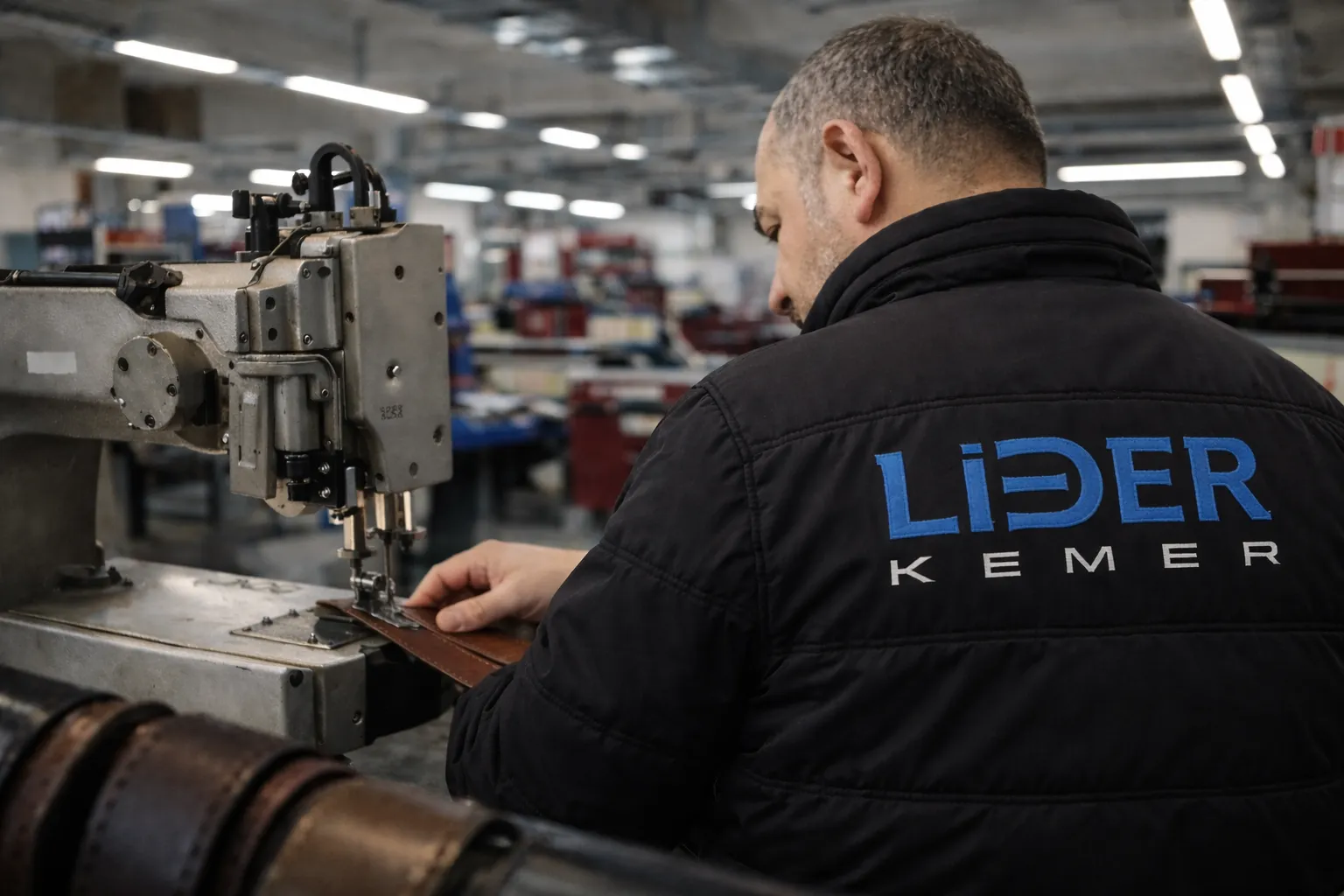
Leather Synthetic Belt Printing Production
Leather and Synthetic Belt Printing Production for Custom Brand Collections
Leather and Synthetic Belt Printing Production for Custom Brand Collections
In modern fashion accessory manufacturing, belt printing and branding are no longer only decorative applications. They have become an important part of product identity, brand positioning, and customer recognition.
For fashion brands, retailers, and corporate buyers, printed belts provide an opportunity to create unique collections that stand out in competitive markets.
Leather and synthetic belts are frequently used products that must maintain their appearance despite daily use, bending, friction, and repeated movement. Therefore, printing methods must be selected according to the material structure, production requirements, and expected product performance.
Lider Kemer Sanayi ve Ticaret A.Ş., based in Merter, Istanbul, Turkey, provides custom belt manufacturing solutions including genuine leather belts, synthetic leather belts, private label belt production, OEM manufacturing, and customized belt printing applications.
With experience in wholesale belt production, Lider Kemer supports brands looking for reliable solutions for custom logo belts, branded accessories, and retail-ready collections.
The Importance of Printing in Belt Manufacturing
Printing applications play an important role in modern belt production because they allow brands to create recognizable and differentiated products.
A professional printing process can transform a standard belt into a branded accessory that reflects the identity of a fashion collection or corporate project.
Printed belt applications are commonly used for:
Brand logos and names, private label collections, custom fashion designs, corporate promotional products, and retail-focused accessory collections.
When printing is integrated correctly into the manufacturing process, it becomes a durable part of the product design rather than an additional surface decoration.
Poorly selected printing methods or incorrect production settings may cause problems such as fading, cracking, peeling, or reduced product durability.
For this reason, professional belt manufacturers evaluate printing techniques together with material characteristics and product usage requirements.
Leather and Synthetic Belt Surface Differences
Before selecting a printing method, manufacturers must understand how different belt materials react to heat, pressure, and ink applications.
The surface structure of genuine leather and synthetic leather directly affects printing quality, durability, and final appearance.
Printing on Genuine Leather Belts
Genuine leather has a natural structure with variations in texture, absorption, and surface characteristics.
Because every leather piece may react differently during production, printing on genuine leather requires careful testing and process control.
Important factors include leather finishing, thickness, surface stability, and heat resistance.
When correctly applied, printing on genuine leather creates a premium appearance that integrates naturally with the material.
Genuine leather belts are especially suitable for luxury collections, premium accessories, and brands that focus on long-term product value.
Printing on Synthetic Leather Belts
Synthetic leather, including PU leather, provides a more uniform surface compared with natural leather.
This consistency allows manufacturers to achieve more predictable results during screen printing and digital printing processes.
Synthetic leather belts are often preferred for fashion collections, high-volume production, and brands seeking competitive pricing with consistent appearance.
Surface coating quality, ink compatibility, and production parameters are essential factors in achieving durable results.
Hot Stamping for Leather Belt Production
What Is Hot Stamping?
Hot stamping is one of the most widely used branding techniques in leather belt manufacturing.
The process uses a heated metal die that applies pressure to the belt surface to create a permanent impression.
Hot stamping can be applied as:
Embossing or debossing without foil, or foil stamping using metallic and colored foils such as gold, silver, and black.
This technique is commonly preferred for premium branding applications where a clean and elegant appearance is required.
Hot Stamping Applications on Belts
Hot stamping is frequently used for:
Inner belt logo applications, size and origin markings, premium brand identification, limited edition collections, and minimal outer surface branding.
For private label belt production, hot stamping is one of the most effective methods for adding brand identity to leather products.
Hot Stamping on Genuine Leather
Genuine leather responds especially well to hot stamping because the impression becomes part of the natural leather surface.
The final result creates a refined and premium appearance.
However, successful application depends on several production variables, including leather thickness, tanning method, surface finish, temperature control, and pressure settings.
A professional manufacturer must test these parameters before serial production.
Hot Stamping on Synthetic Leather
Hot stamping can also be applied to synthetic leather belts, but production settings require careful control.
Important factors include heat resistance of the coating, foil compatibility, pressure level, and application time.
Incorrect settings may create unwanted effects such as surface deformation, excessive gloss, or poor adhesion.
Screen Printing in Leather and Synthetic Belt Production
Screen printing is one of the most commonly used printing techniques in industrial belt manufacturing.
This method involves transferring ink through a specially prepared mesh screen onto the belt surface. Due to its efficiency and consistency, screen printing is widely preferred for wholesale belt production and large-volume orders.
For fashion brands, retailers, and corporate buyers, screen printing provides an effective solution for creating branded belts, logo applications, repeating patterns, and customized accessory collections.
Screen Printing Applications for Belts
Screen printing can be applied to different areas of belt products depending on the design requirements.
Common applications include:
Brand logos on the outer surface, inner belt information printing, repeating patterns, monogram designs, promotional belts, and private label collections.
The success of screen printing depends on selecting the correct ink type, surface preparation, curing process, and production settings.
Screen Printing on Genuine Leather Belts
Screen printing on genuine leather requires careful consideration because natural leather surfaces may vary in texture and absorption.
Factors affecting print quality include leather finishing, surface smoothness, absorption level, and material consistency.
Before bulk production, professional manufacturers perform sampling tests to ensure proper ink adhesion, color accuracy, and resistance against daily use.
When correctly applied, screen printing can create durable and visually attractive results on genuine leather belts.
Screen Printing on Synthetic Leather Belts
Synthetic leather belts are highly suitable for screen printing due to their more uniform surface structure.
PU leather surfaces generally provide better consistency for ink application, making them ideal for large-scale production.
For brands ordering wholesale synthetic leather belts, screen printing offers advantages such as:
Consistent color reproduction, efficient production speed, repeatable quality, and suitability for high-volume collections.
Screen printing is commonly preferred by fashion brands that require reliable production for seasonal collections and retail distribution.
Digital Printing for Custom Belt Manufacturing
What Is Digital Printing?
Digital printing is a modern printing technique that transfers designs directly onto the belt surface.
Unlike traditional printing methods, digital printing allows manufacturers to create complex visuals, detailed patterns, gradients, and multi-color designs.
This method provides greater creative flexibility for brands developing unique fashion collections.
Digital printing is especially suitable for:
Fashion-focused belt collections, limited edition products, custom patterns, small batch production, and experimental designs.
Digital Printing on Synthetic Leather Belts
Synthetic leather with suitable surface coating provides an excellent base for digital printing.
The uniform surface allows detailed graphics, strong color variation, and high-resolution designs.
For fashion brands seeking visually distinctive products, digitally printed synthetic leather belts provide opportunities for creative collection development.
Proper protective coatings are important to improve abrasion resistance and long-term durability.
Digital Printing on Genuine Leather Belts
Digital printing can also be applied to genuine leather, but results depend heavily on the leather surface characteristics.
Important factors include:
Leather finishing quality, absorption behavior, surface stability, protective coating compatibility, and print durability.
Because natural leather varies between hides, sampling and testing are essential before starting mass production.
Choosing the Right Belt Printing Method
The best printing technique depends on the material, design requirements, target market, and expected product usage.
There is no single printing method suitable for every belt collection.
Hot stamping is generally preferred for premium branding, minimal logos, and long-lasting impressions.
Screen printing is suitable for high-volume production, clear colors, and consistent repeated designs.
Digital printing is ideal for detailed patterns, creative collections, and flexible design applications.
A professional belt manufacturer evaluates these factors before selecting the most suitable production method.
Planning Printed Belt Production for Brands
Successful printed belt manufacturing requires detailed planning before production begins.
The process starts with understanding the brand requirements and continues through material selection, sampling, production, and final quality control.
Design and Technical Preparation
The first step is preparing the design details.
Manufacturers evaluate logo dimensions, pattern placement, color references, printing areas, and technical limitations.
Proper preparation helps prevent production issues and ensures that the final product matches the approved design.
Material Selection and Testing
Material selection is a critical stage in printed belt production.
The manufacturer evaluates whether genuine leather or synthetic leather is suitable for the selected printing method.
Surface finish, color, texture, and printing compatibility must be considered before production approval.
Sampling Before Bulk Production
Sampling is an essential part of professional belt manufacturing.
Before starting large production quantities, manufacturers test:
Print adhesion, color accuracy, heat resistance, bending performance, and overall appearance.
This process allows brands to confirm quality standards before full-scale manufacturing.
Serial Production and Quality Control
After sample approval, production moves into the manufacturing stage.
During serial production, manufacturers monitor printing parameters, product consistency, and finishing quality.
Final inspections ensure that printed belts meet the required standards before shipment.
Quality Control in Printed Belt Manufacturing
Printing is one of the most sensitive stages in belt production because it directly affects the visual appearance of the product.
Professional quality control processes evaluate:
Print durability, resistance to rubbing, flexibility during bending, color consistency, foil adhesion, and surface quality.
Incorrect printing parameters may cause problems such as peeling, fading, cracking, or reduced product lifespan.
Lider Kemer applies production-focused quality control processes to ensure printed belts maintain both visual appeal and functional durability.
Private Label Printed Belt Production for Global Brands
Printed belts are highly valuable for brands developing private label collections.
A custom printed belt allows companies to combine functional accessories with strong brand identity.
Through private label production, brands can create:
Custom logo embossed leather belts, branded synthetic leather belts, personalized fashion collections, corporate promotional belts, and retail-ready accessory products.
Lider Kemer supports brands with customized belt manufacturing solutions from Turkey, combining printing expertise with professional production capabilities.
Lider Kemer: Custom Printed Belt Manufacturing Partner in Turkey
Lider Kemer Sanayi ve Ticaret A.Ş. provides professional printed belt manufacturing solutions for fashion brands, retailers, wholesalers, and corporate buyers worldwide.
Located in Merter, Istanbul, one of Turkey’s leading fashion and accessory production centers, Lider Kemer combines manufacturing experience with modern production capabilities.
The company specializes in:
Genuine leather belt production, synthetic leather belt manufacturing, custom printed belts, private label belt production, OEM belt solutions, and corporate leather accessories.
By combining printing technologies with experienced craftsmanship, Lider Kemer helps brands develop unique belt collections that match their market positioning and customer expectations.
Custom Logo Belt Production for Fashion Brands
Brand identity is one of the most important factors in modern fashion.
A belt is not only a functional accessory but also a product that represents the style and image of a brand.
Custom logo belt production allows companies to create recognizable products through:
Logo embossing, hot stamping applications, printed brand elements, customized packaging, and unique design details.
For fashion brands, retailers, and distributors, branded belts provide an opportunity to increase product value and create stronger customer recognition.
Lider Kemer supports businesses looking for a reliable custom belt manufacturer in Turkey with flexible production solutions.
Production Capacity and Wholesale Belt Manufacturing Advantages
For international buyers, production capacity is a critical factor when selecting a manufacturing partner.
A reliable belt factory must be able to manage both product quality and production continuity, especially for wholesale orders and seasonal collections.
Lider Kemer has a monthly production capacity of 150,000 belts, allowing the company to support different order volumes, from developing brands to large-scale retail projects.
This production strength provides advantages such as:
Stable supply planning, efficient order management, consistent quality standards, and reliable delivery schedules.
For businesses searching for factory direct leather belts wholesale solutions, working directly with an experienced manufacturer creates a more efficient supply chain.
Wholesale Printed Belt Production for Different Industries
Printed belts are used across various industries and market segments.
Fashion brands use printed belts to create seasonal collections and exclusive designs.
Retail companies use customized belts to expand their accessory categories.
Corporate companies use branded belts for promotional products, employee gifts, and special projects.
Because each market has different requirements, manufacturers must adapt printing techniques, materials, and production methods accordingly.
Lider Kemer develops customized production solutions based on product purpose, design requirements, and target market expectations.
Export-Ready Printed Belt Manufacturing from Turkey
Turkey’s strategic location provides significant advantages for international belt buyers.
Manufacturing in Turkey allows brands to benefit from efficient logistics, shorter delivery times to European markets, and experienced export processes.
An export-focused belt manufacturer must understand international requirements, including:
Product specifications, packaging standards, documentation processes, and shipment coordination.
Lider Kemer works with global customers by providing organized production processes and reliable communication throughout the manufacturing journey.
Why Choose Lider Kemer for Printed Belt Production?
Selecting the right manufacturing partner directly affects product quality, customer satisfaction, and brand reputation.
Lider Kemer provides advantages through:
Experienced belt manufacturing expertise, advanced printing applications, flexible private label solutions, high production capacity, quality control processes, and international production experience.
The company helps brands transform ideas into market-ready belt collections by combining design flexibility with professional manufacturing.
Frequently Asked Questions
Which printing method is best for leather belts?
The most suitable printing method depends on the material, design, and intended usage. Hot stamping is commonly preferred for premium branding, screen printing for high-volume production, and digital printing for detailed fashion designs.
Can logos be printed on genuine leather belts?
Yes. Genuine leather belts can be customized with logo applications through methods such as hot stamping, embossing, and selected printing techniques. Testing is recommended before bulk production.
Can synthetic leather belts be digitally printed?
Yes. Synthetic leather surfaces are often suitable for digital printing because they provide a more consistent base for detailed designs and color applications.
Does Lider Kemer produce private label printed belts?
Yes. Lider Kemer provides private label belt production including custom logos, branded designs, packaging solutions, and customized manufacturing options.
Is sampling required before bulk printed belt production?
Yes. Sampling is an important step to evaluate print quality, adhesion, color accuracy, and durability before starting serial production.
Can different printing techniques be combined on one belt?
Yes. Different printing methods can be combined depending on the design requirements. For example, a belt may include hot stamping on the inner surface and screen printing or digital printing on the outer surface.
Your Trusted Partner for Custom Printed Belt Manufacturing
Successful printed belt production requires more than selecting a printing technique. It requires the right combination of material knowledge, manufacturing expertise, technology, and quality control.
Lider Kemer Sanayi ve Ticaret A.Ş. provides custom printed leather belt and synthetic belt manufacturing solutions from Istanbul, Turkey.
With expertise in hot stamping, screen printing, digital printing, OEM production, and private label manufacturing, Lider Kemer helps global brands create distinctive and durable belt collections.
For businesses looking for a reliable leather belt printing manufacturer in Turkey, Lider Kemer offers professional production solutions designed for wholesale, retail, and international markets.
Get a Wholesale Leather Belt Quote
Request an immediate price quote for our belt models manufactured in our Istanbul Merter factory since 1982.