
PU Leather Belt vs Genuine Leather Belt: 7 Key Differences
pu leather belt vs genuine leather belt compared: durability, cost, feel, and sustainability — a wholesale buyer's guide from an ATR-certified Turkish manufacturer.
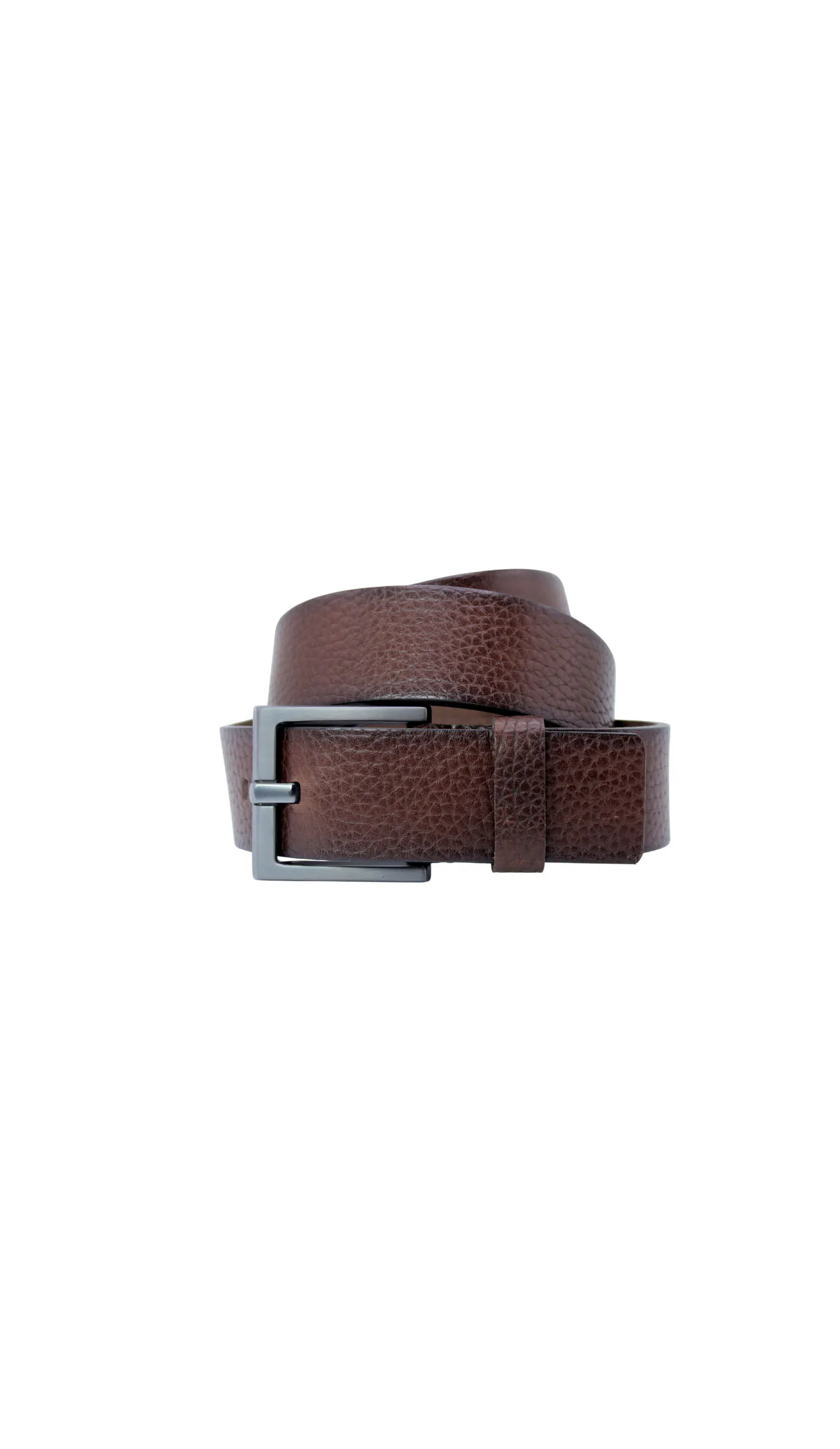
Pu Leather Belt vs Genuine Leather Belt Differences Pricing Durability
PU Leather Belt vs Genuine Leather Belt: 7 Key Differences
Pu Leather Belt vs Genuine Leather Belt
When buying belts for your brand or sourcing products for wholesale belt sales, one of the most common questions is: PU leather belt or genuine leather belt — which one is better?
This question matters for both end customers and European B2B buyers because belt selection directly affects product quality perception, customer satisfaction, return rates, and retail pricing.
In 2026, the belt market is more competitive than ever in both Turkey and Europe. As e-commerce grows, buyers compare more products, read more reviews, and expect better price–performance balance. That is why understanding the differences between PU belts and genuine leather belts is not only useful information — it is also a key part of building a profitable collection.
At Lider Kemer, we manufacture wholesale belts in Istanbul, producing both genuine leather belts and PU (synthetic leather) belts with an export-ready B2B supply approach. Lider Kemer has a monthly production capacity of 150,000 belts.
In this guide, we will explain the key differences between PU leather belts and genuine leather belts in terms of material, durability, pricing, usage areas, and manufacturing quality.
What Is a PU Leather Belt? (Synthetic Leather Belt)
A PU leather belt is a belt made from polyurethane-based synthetic leather material. In many markets, it is also called a synthetic leather belt. The biggest advantage of PU belts is that they can be produced in many surface textures, colors, and patterns quickly and consistently.
PU belts have improved significantly in appearance over the last few years. Many high-quality PU belts can look very premium at first glance. This is especially important for fashion-driven collections where color variety and seasonal textures are essential.
However, PU belt quality can vary a lot depending on the manufacturer. Two PU belts may look similar, but they can perform completely differently in real use. The most important durability factors include:
PU material layer quality
Inner reinforcement structure (shape stability)
Edge finishing (edge paint and clean cuts)
Buckle assembly quality
Hole area strength
A PU belt should not only look good when it is new — it must also keep its shape and surface quality in daily use. Because belts bend, move, and stretch every day, weak PU structures may crack, peel, or deform faster than expected.
PU belts are widely preferred for:
Affordable wholesale belt segments
Fast-moving inventory products
Fashion-driven seasonal collections
Women’s belt collections with color variety
Campaign and promotional sales
Multi-item bundles and price-focused sales channels
What Is a Genuine Leather Belt?
A genuine leather belt is made from real leather. Leather belts usually offer a more premium look and longer lifetime when produced with correct standards. They are especially important in classic dressing and business style, where belt quality strongly affects overall outfit perception.
Key advantages of genuine leather belts include:
Longer usage life
Strong premium product perception
More durable structure with better shape retention
Natural character development over time
Higher retail price potential and stronger margins
The most important factor that defines leather belt quality is the type of leather used.
Full grain leather is more expensive and positioned in the premium segment because it is the top and most natural layer of leather.
One major difference with genuine leather belts is that leather is a natural material. Over time, it develops a more natural and premium character. When produced correctly, leather belts can last for years, which increases customer satisfaction and strengthens brand trust.
Key Differences Between PU Belts and Genuine Leather Belts
There is no single “best” answer to PU belt vs genuine leather belt. The correct choice depends on your target customer, sales channel, and pricing strategy. The best way to understand it is to compare both categories point by point.
1) Material Structure and Product Feel
The biggest difference between PU belts and genuine leather belts is the nature of the material.
PU belts are synthetic products. This means they can be produced with more standardization, which helps maintain consistent color and surface structure in repeat orders. For wholesale buyers, this repeat consistency can be a strong advantage.
Genuine leather belts are made from natural leather, so each leather piece can have small differences in texture and tone. That is why quality control and workmanship standards matter more in leather belt manufacturing.
In customer perception, leather belts often feel stronger, heavier, and more premium. PU belts can feel lighter and more price-focused, depending on the product positioning.
2) Durability Comparison
Are PU belts durable? Yes, if the production quality is high, PU belts can perform very well in daily use. But for long-term durability, genuine leather belts usually offer stronger performance.
Common PU belt problems include:
Surface cracking
Edge paint peeling
Shape deformation (loose or curved belt body)
Hole area damage
Buckle looseness or scratching
Factors that improve PU belt durability:
Strong inner reinforcement
Clean and stable edge finishing
Durable hole processing
Secure buckle assembly
Proper packaging to prevent damage
Factors that improve leather belt durability:
Leather thickness and quality
Workmanship consistency
Strong edge finishing
Secure buckle attachment
Correct leather processing and handling
Summary:
If you want long lifetime and premium quality perception, genuine leather belts are the better option.
If you want fast-moving products with affordable pricing, PU belts are the better option.
3) Pricing Comparison (2026)
Pricing is one of the most important factors in wholesale belt purchasing. A general market reference range is:
PU belts are typically around $1.5–$2
Genuine leather belts are typically around $4–$5
These prices can change based on the model, buckle quality, workmanship level, and order quantity.
Details that increase the price include:
Full grain leather usage
Thick and heavy buckles
Stitched models and extra workmanship
Custom colors and special surface textures
Custom packaging and branding applications
The key point is: the cheapest belt is not always the most profitable belt. Low-quality products increase return rates, and in Europe, high return rates reduce product ratings and sales speed.
4) Appearance and Premium Perception
Appearance is critical in Europe because customers build quality perception in seconds.
PU belt appearance
PU belts can look very stylish with the right surface selection. Patterned textures and color variations are a major advantage for fast collection development.
PU belt advantages:
Many colors and textures
Fast trend adaptation
Easy collection expansion at lower cost
Seasonal model updates
Genuine leather belt appearance
Genuine leather belts provide a more natural premium look, especially in classic men’s belt categories.
Details that increase premium perception in leather belts:
Natural leather texture and grain
Clean edge finishing
Strong buckle weight and stable look
Symmetrical stitching lines
5) Manufacturing and Repeat Order Stability
For wholesale buyers, one of the most important questions is: can I reorder the same model later with the same quality?
PU belt repeat production advantage
PU belts can be produced more consistently in mass production. Maintaining the same surface and color is usually easier, so repeat orders have fewer surprises.
Leather belt repeat production management
Leather is a natural material, so tone differences may occur. This is why quality control and standardized production processes are essential.
6) Buckle Quality (Critical for Both PU and Leather Belts)
The buckle is one of the most stressed parts of the belt. That is why buckle quality is a key factor in wholesale belt manufacturing for both PU and leather belts.
Thick and heavy buckles increase the price, but they also offer:
Stronger daily use performance
More premium appearance
Longer lifetime
Buckle quality depends on:
Scratch-resistant coating
Secure assembly
Long-term stability without loosening
Durable metal structure
7) Edge Finishing and Stitching Quality
One of the easiest ways to understand belt quality is edge finishing. If the edge paint peels quickly, the belt will look cheap even if the surface looks good.
Edge peeling is one of the most common problems in low-quality PU belts. That is why edge finishing must be done carefully and consistently.
In leather belts, clean edge finishing and symmetrical stitching create a stronger premium look and increase perceived value.
8) Which Belt Is Better for Which Buyer?
PU belts are best for:
Price-focused sales channels
Fast-moving e-commerce products
Seasonal fashion collections
Buyers who need strong color variety
Promotional and campaign products
Brands that want a wider product range
Genuine leather belts are best for:
Premium brand positioning
Customers who want longer lifetime products
Classic men’s belt collections
European channels where quality perception is critical
Buyers who want higher retail pricing and stronger margins
9) Best Collection Strategy for the European Market
For European brands, the strongest strategy is usually:
PU belts for fast sales and collection variety
Genuine leather belts for premium perception and higher margins
Using both categories together helps you grow both volume and profitability.
In many European markets:
PU belts sell fast during campaigns
Leather belts strengthen brand trust
PU belts help attract new customers
Leather belts help build customer loyalty
10) Wholesale Order Planning and MOQ
In wholesale belt sourcing, correct order planning makes production faster and delivery timelines more stable.
We can accept minimum orders of 200–300 belts. Production planning is prepared based on your model and variation breakdown.
This structure helps:
Clear lead time planning
Stable quality standards
Faster repeat orders
Easier stock management
PU Belt vs Genuine Leather Belt: Quick Summary
PU belts: affordable, fast production, wide color/texture variety
Genuine leather belts: premium, longer lifetime, higher retail value
Full grain products cost more and belong to the premium segment
Thick and heavy buckles increase price but improve premium perception
PU belts are typically around $1.5–$2, while leather belts are around $4–$5
At Lider Kemer, we produce both PU and genuine leather belts with an export-ready B2B approach for European buyers. Lider Kemer has a monthly production capacity of 150,000 belts.
FAQ
PU leather belt or genuine leather belt — which one is more durable?
Genuine leather belts usually last longer. However, high-quality PU belts can also perform well in daily use.
Why are PU belts cheaper?
PU materials and production processes are lower cost, so PU belts are positioned in more affordable segments.
What does full grain leather mean?
Full grain is the top and most natural layer of leather. It is more durable and more expensive, positioned in the premium segment.
How are wholesale belt prices calculated?
Pricing depends on material type, buckle quality, workmanship, packaging, and order quantity. PU belts are around $1.5–$2, while leather belts are around $4–$5.
What is your minimum order quantity (MOQ)?
We can accept minimum orders of 200–300 belts. MOQ planning is set based on model and variation breakdown.
For more information on our genuine leather and PU belt collections, or to request wholesale pricing, feel free to get in touch with us.
Last updated: September 15, 2026 · Reviewed by the Lider Kemer content team.
Get a Wholesale Leather Belt Quote
Request an immediate price quote for our belt models manufactured in our Istanbul Merter factory since 1982.