
Suede vs Nubuck Leather: What Is the Difference? (Belts and Care)
What is suede and what is nubuck? How they differ, how to tell them apart, pros and cons for belts, and how to clean and protect them. A belt maker's guide.
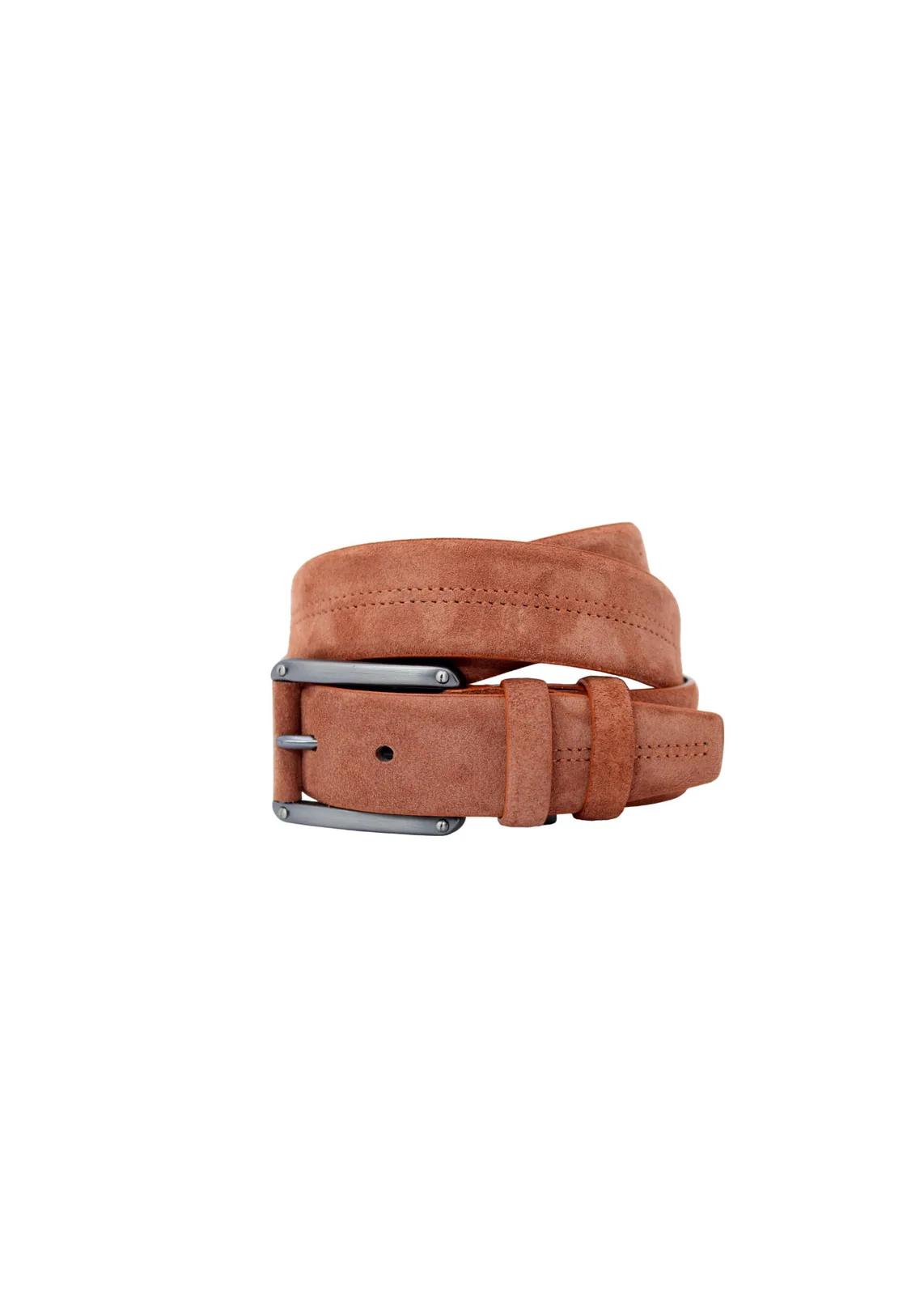
Suede vs Nubuck Leather: Differences, Belts and Care
- Suede is leather made from the inner (flesh) side of the hide, sanded until it becomes soft and fuzzy. Nubuck is made from the outer (grain) side, lightly buffed to a short, dense, velvety nap that is more durable. Both are genuine leather and feel like velvet to the touch, but they differ in durability, look and care.
This guide comes from Lider Kemer, a leather belt manufacturer in Istanbul since 1982. We produce suede and nubuck belts every season, so the points below are based on what we see in production.
What Is Suede?
Suede comes from the inner surface of the hide. The hide is usually split into layers, and the lower layer is sanded to raise its fibres, giving a soft, flexible, noticeably fuzzy surface.
- Made from: mostly calf and cow hide; also goat and lamb.
- Texture: long nap, very soft; the colour shifts when you brush it with your finger.
- Look: matte, warm and relaxed, a favourite for autumn and winter outfits.
- Durability: less durable than grain leather and more sensitive to water and stains.
What Is Nubuck?
Nubuck comes from the outer surface, the grain side, which is the strongest layer of the hide. It is buffed with very fine abrasive to create a short, dense, velvet-like nap.
- Made from: usually calf and cow hide.
- Texture: short, dense nap; smoother and fuller than suede.
- Look: matte, refined, with a subtle velvet sheen.
- Durability: more durable than suede because it uses the strongest layer, but it still needs more care than smooth leather.
Suede vs Nubuck: The Differences
| Feature | Suede | Nubuck |
|---|---|---|
| Side of the hide | Inner (flesh) side | Outer (grain) side |
| Nap | Long, loose, visible | Short, dense, velvety |
| Durability | Medium | High |
| Water and stains | More sensitive | Sensitive, but better than suede |
| Look | Relaxed, warm, smart-casual | Smoother, refined |
| Price | Usually lower | Usually higher |
| Best for | Casual wear, chinos, autumn–winter | Casual and smart-casual outfits |
In short: choose suede for a softer, more relaxed look and nubuck for a longer-lasting, smoother surface.
How to Tell Suede and Nubuck Apart
1. Finger test: brush the surface with your finger. Suede's longer nap leaves a clear mark and a strong colour change; on nubuck the mark is lighter.
2. Check the back: the back of a nubuck belt is usually the flesh side and looks different from the front. With suede, front and back look more alike.
3. Nap length: suede fibres are visible; nubuck fibres are very short and the surface looks flatter.
4. Don't confuse it with faux suede: microfibre or polyester "faux suede" also exists. Look at the cut edge: genuine suede and nubuck show fibrous leather, faux suede shows fabric or plastic layers. See also real leather vs PU leather.
Pros and Cons of Suede and Nubuck Belts
Pros:
- Soft and flexible, so the belt is comfortable from day one.
- The matte, textured look adds warmth and stands out from smooth leather belts.
- Wide colour range: camel, tan, brown, navy, green and burgundy all look great in suede and nubuck.
Cons:
- More sensitive to water, oil and stains than smooth leather.
- Areas that rub constantly (around the buckle and loops) can flatten and shine over time.
- Needs a little more care, such as regular brushing and a protective spray.
What to Wear with Suede and Nubuck Belts
- Chinos and linen: camel, tan and navy suede belts work best.
- Jeans: a brown or dark tan nubuck belt gives a smart casual look.
- Blazer and smart casual: a dark brown or black nubuck belt pairs well with suede shoes.
- Suit: a smooth, polished leather belt is more appropriate; suede belongs to a more relaxed style.
- Women's outfits: suede belts stand out over dresses, knitwear and jackets in autumn and winter.
Matching the belt to your shoes works especially well when both are suede.
How to Care for Suede and Nubuck Belts
- Brush: use a suede or nubuck brush, gently in the direction of the nap, to remove dust and lift the fibres.
- Dry stains: rub lightly with a suede eraser (or a clean white eraser), then brush.
- Water and rain: blot excess water with a dry cloth and let the belt dry flat at room temperature. Never use a radiator, hair dryer or direct sun; the leather hardens and stains. Brush once dry.
- Oil stains: sprinkle cornflour or talc on a fresh oil stain, leave for a few hours, then brush.
- Protective spray: treat a new belt with a suede/nubuck protector (water and stain repellent) before first use and repeat every few months.
- Storage: roll or hang the belt rather than folding it, in a breathable bag.
For smooth leather belts, see our leather belt care guide.
Wholesale Suede and Nubuck Belt Manufacturing
Lider Kemer manufactures suede and nubuck belts on its own production line in the colour, width and buckle you choose. See our suede leather belts and nubuck leather belts.
- Minimum order: 200 pieces per model.
- Samples: 3–5 business days for standard models, 5–8 for custom designs.
- Production: 3–4 weeks. Delivery to Europe in 3–5 business days.
- Your own brand: logo buckles and custom colours with custom leather belts.
For buckle options see our leather belt buckle guide. Browse men's belts and women's belts.
Frequently Asked Questions
What is suede?
Suede is genuine leather made from the inner (flesh) side of the hide, sanded to a soft, fuzzy finish. It is usually made from calf, cow, goat or lamb hide.
What is nubuck?
Nubuck is genuine leather made from the outer (grain) side of the hide, lightly buffed to a short, dense, velvety nap. It is more durable than suede.
What is the difference between suede and nubuck?
Suede comes from the inner side of the hide, nubuck from the outer side. Suede has a longer, softer nap; nubuck is denser, smoother and more durable.
Is suede real leather?
Yes, suede is genuine leather. However, "faux suede" made from microfibre or polyester also exists, and that is not leather.
What happens if a suede belt gets wet?
Blot the excess water with a dry cloth and let it dry naturally at room temperature, then brush it. Never dry it near a heat source.
Can you wear a suede or nubuck belt every day?
Yes, but it needs more care than smooth leather. For a belt worn daily and often exposed to rain, nubuck or smooth leather is the better choice.
Get a Wholesale Leather Belt Quote
Request an immediate price quote for our belt models manufactured in our Istanbul Merter factory since 1982.
Request a wholesale price quote
Tell us the style, quantity and branding you need, and our sales team will send you pricing and lead times.
- Minimum 200 pieces per style
- Samples in 5–8 business days
- Logo buckles and private label
- Delivery to Europe in 3–5 business days