
How to Identify a Quality Leather Belt: Complete Buyer & Wholesale Guide (2026)
How do you spot a quality leather belt? Material, stitching, edge finishing, buckle — the 2026 guide from Istanbul's belt factory since 1982. Know before you buy.
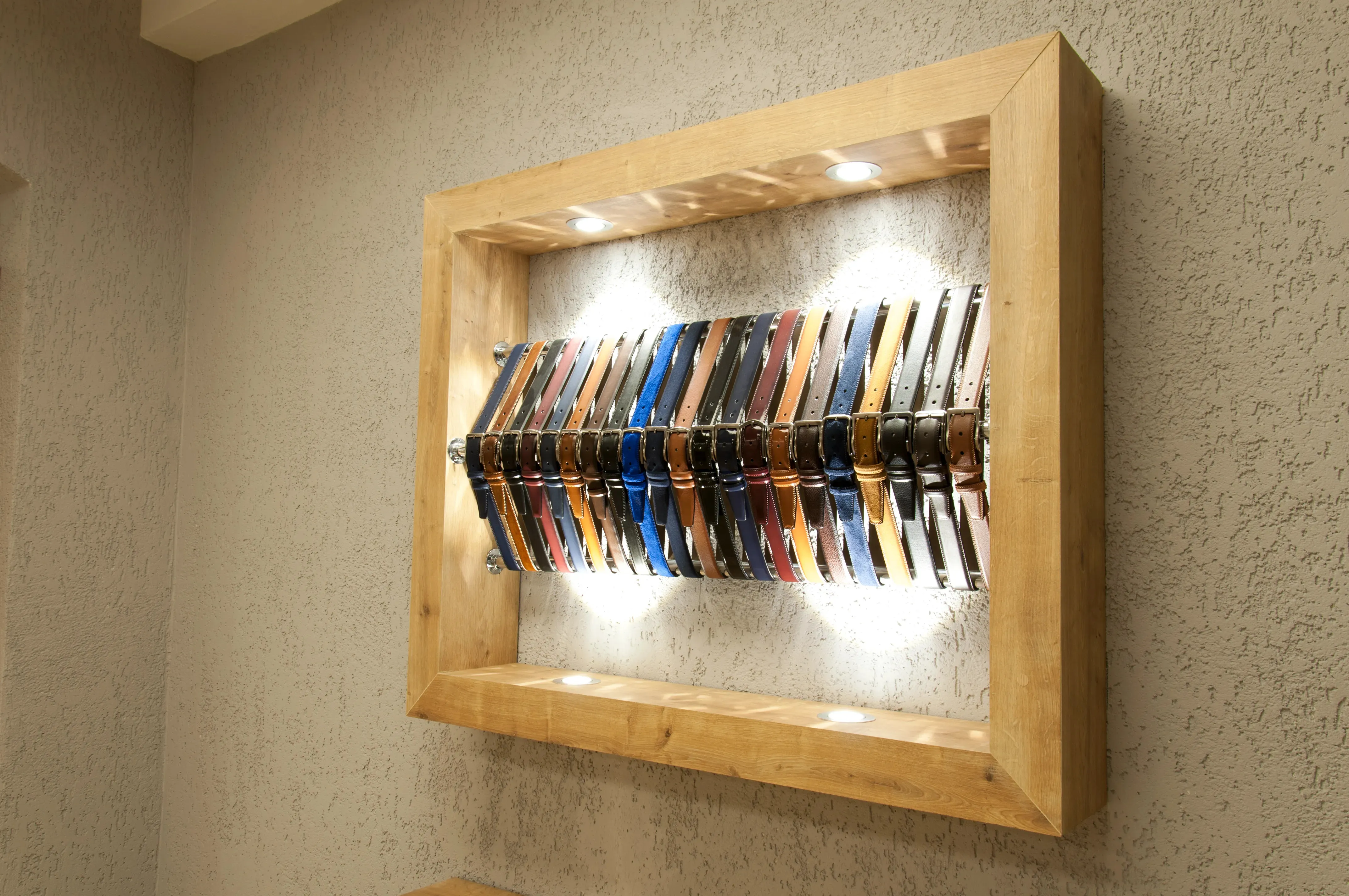
How To İdentify Belt Quality 2026 Guide
How to Identify a Quality Leather Belt: Complete Buyer & Wholesale Guide (2026)
How to Identify a Quality Leather Belt: Complete Buyer & Wholesale Guide (2026)
Most people don't. Which is why millions of belts every year reveal their true quality not on the day they're bought but six months later — when the stitching starts to pull, the edge paint cracks, the buckle tongue breaks, or — worst of all — the leather itself begins to delaminate.
At Lider Kemer, we've been making nothing but belts since 1982. In that time, we've seen how every material ages, how every stitching method behaves under sustained load, and which edge finishing techniques actually hold — across thousands of production runs. This guide distils that knowledge.
Whether you're a wholesale buyer evaluating a new supplier, a retailer building a belt range, or someone choosing a belt for yourself — this is what actually separates a quality leather belt from one that will disappoint you.
Why Belt Quality Is Genuinely Hard to Read at the Point of Purchase
A belt is one of the few consumer products that doesn't reveal its quality when you buy it. On a display rail or in a box, a good belt and a poor one can look nearly identical. Both appear neat. Both have a shiny buckle. Both might feel similar in weight.
The difference only becomes visible through use.
This creates a significant problem in both retail and wholesale buying. Price is often used as a quality proxy — but it's unreliable. The market contains expensive belts made from mediocre materials and modestly priced belts that significantly outperform their price point.
Quality is visible in five places: the leather, the stitching, the edge finishing, the buckle hardware, and the overall construction.
1. The Leather: Where 80% of Belt Quality Is Determined
Full Grain Leather — The Performance Benchmark
Full grain leather uses the outermost layer of the hide in its natural, unprocessed state. The natural pore structure, minor surface variations, and occasional marks are visible. This is not a defect — it's the quality marker.
The outermost hide layer is the densest and most structurally intact. Collagen fibres are tightly interwoven here, making full grain leather the most resistant to tearing, flexing, and moisture penetration of any leather grade. It also develops patina with wear — firm initially, then softening and acquiring a tone that reflects the wearer's habits. A well-cared-for full grain belt at ten years can look more distinguished than the day it was purchased.
Top Grain Leather — The Reliable Mid-Tier Choice
The second-highest grade. The surface has been lightly sanded and treated — natural imperfections removed, a more uniform appearance achieved. Less breathable than full grain, slower to develop patina. But structural durability remains strong, and for wholesale buyers running large production orders, the consistency of the finished surface is a genuine commercial advantage. Our men's belt collection shows top grain leather applied across multiple belt constructions and widths.
Corrected Grain — Limited Lifespan
The original surface has been heavily processed and largely removed. An artificial grain pattern is embossed onto the resulting surface. Lower price, but limited durability. With good stitching and edge finishing, it may serve for two to three years — but it won't reach the lifespan of full grain or top grain.
"Genuine Leather" — The Misleading Label
"Genuine leather" sounds premium. Legally, it means only that the product contains at least some real leather. Corrected grain and split leather (the inner layers of the hide) can both carry this label. It tells you the product contains real leather. It tells you nothing about which grade or how much.
PU Leather — Different, Not Necessarily Inferior
Modern high-density PU leather is not what it was a decade ago. Well-made PU belts now closely replicate the texture and feel of genuine leather with some real advantages: better colour consistency across large production runs, higher moisture resistance, lower unit cost. For fast-fashion brands, online retailers, and price-sensitive markets, the commercial case is clear.
The limitation: PU doesn't develop patina. It ages rather than enriches. At high-stress flex points — near the buckle, at the most-used hole — micro-cracking can begin after two to four years of regular wear. Whether genuine leather or PU is the right choice for your market and price point is something we cover in detail in our genuine vs PU leather belt guide, including how the decision changes depending on retail positioning and target demographics.
Vegetable Tanned Leather — Sustainable and Genuine Premium
Tanned using natural plant tannins rather than chromium salts. Slower to produce, more expensive. But the result is leather that develops the richest patina over time, contains no heavy metal residues, and is genuinely built to last decades. The right choice for brands positioning in sustainable or slow-fashion segments.
2. Stitching: The Load-Bearing Engineering Beneath the Surface
Stitching is not decoration. It's structural engineering.
Stitch Density: The Number That Matters
Quality belt stitching runs at 4 to 6 stitches per centimetre. Below this range — 2 to 3 stitches — the risk of seam opening under sustained tension increases substantially. Well above this range, thread density can begin to weaken the leather along the stitch line itself.
Thread Type: Polyester, Not Cotton
Polyester thread significantly outperforms cotton for belt stitching. It resists moisture and UV degradation — cotton thread rots over time, particularly in belts that regularly see sweat or rain. Quality belt production uses polyester or nylon thread throughout. Thread colour matching to the leather is an aesthetic preference; thread weight proportional to leather thickness is a technical requirement.
Stitch Placement: 2–3mm from the Edge
The ideal distance from stitch line to belt edge is 2–3mm. Too close and the leather pulls away from the stitch when it dries or stretches with use. Too far inward and the stitch contributes less structural support to the edge seam. Maintaining this distance consistently across a 5,000-unit production run requires calibrated machinery — not a skilled eye.
3. Edge Finishing: The Quiet Signature of Quality Belt Manufacturing
Edge finishing is the detail most people evaluate subconsciously without realising it. When you pick up a belt, how does the edge feel against your fingertip? Smooth and sealed, or rough and raw?
Multi-Layer Painted Edge
The most common method. Edge paint is applied in multiple thin coats — each dried before the next is applied. Done correctly, a painted edge resists abrasion and holds its colour across the full working life of the belt.
Burnishing — The Traditional Premium Method
Used for vegetable tanned and high-grade full grain leathers. The edge is dampened, then friction-heated using a tool or machine to compress and seal the leather fibres — no paint, no coating. The leather's own structure is what seals the edge. A properly burnished edge improves with use rather than deteriorating. The natural oils from the wearer's hands continue conditioning it over years. This is the distinguishing mark of genuinely premium belt production — and it's what you'll find in our quiet luxury belt range.
Raw Edge — The Warning Sign
No finishing at all. Rough to the touch. Cracks and flakes with use. Found only at the lowest price points — and even there, it's a quality failure.
4. Buckle Hardware: The Most Mechanically Stressed Part of Any Belt
The buckle is opened and closed every single day, under load, for years. Four criteria to evaluate:
Metal Quality
Nickel Content: Legal Requirement for EU Markets
EU Regulation 1907/2006 restricts nickel release from metal items in prolonged skin contact. Nickel allergy is common — it causes contact dermatitis that worsens with ongoing exposure. For any wholesale buyer sourcing for European retail, nickel-free compliance documentation is a legal requirement, not a best practice. A general statement that "our products are EU compliant" doesn't satisfy this requirement — you need material-specific nickel content declarations. We provide these as part of our standard compliance documentation package.
Plating Durability
Gold, antique silver, gunmetal, matte black — all applied by electroplating. Quality plating holds through 500+ polishing cycles.
Mechanism Function
Open and close the buckle 20–30 times in sequence. Any loosening, wobbling, or binding in the mechanism indicates insufficient production quality.
5. Overall Construction: Reading the Belt as a System
Individual elements matter. How they come together matters more.
Hole Punching
Standard men's belt: five holes at equal intervals, centred and symmetrical. Each hole should be cleanly punched — ragged or torn edges concentrate stress and initiate splitting at those points with use. Metal reinforcement grommets at the holes extend lifespan noticeably in heavier leather constructions.
Bonding and Lamination in Two-Layer Constructions
In belts where an outer face leather is bonded to a backing — common in fashion and women's belt constructions — adhesive quality is critical. Flex the belt sharply along its length and apply pressure near the edges. Well-bonded layers show zero separation under this test. If layers bubble or lift even slightly, the bond will fail progressively with wear.
Weight and Hand Feel
A quality leather belt has a particular presence in the hand — a density and weight proportional to its width and leather thickness. An extremely light "leather belt" is usually a signal of very thin corrected grain or split leather construction. Pick it up and feel it before committing.
Smell
Genuine leather carries a distinct, mild earthy and tannery smell — clearly present when new, fading gradually over time. A strong chemical or plastic smell, particularly sharp vinyl, is a reliable indicator of PU or heavily processed leather.
Additional Criteria for Wholesale and Trade Buyers
The criteria above apply to individual purchases. For wholesale buyers, retailers, and brand owners, additional evaluation layers are necessary.
Batch Consistency: The Real Test of Manufacturing Quality
In a 5,000-unit order, unit one and unit five thousand should be identical. Leather colour, edge paint tone, stitch density, buckle finish — all must remain consistent throughout the production run. This requires documented production specifications, material lot tracking, and systematic quality control applied during production — not just a visual scan at the end. Our zero-return quality guarantee explains exactly how we build this consistency into every production run, including the 27 checkpoints applied across three production stages.
Sample-to-Production Match
The most common wholesale sourcing problem: the approved sample and the delivered production don't match. Colour slightly off, leather slightly thinner, stitch spacing inconsistent. Prevention: ask whether your sample came from the actual production line or a dedicated sample preparation area. A genuine pre-production sample built in production materials and approved against documented specs becomes the binding reference standard for the entire run.
The True Cost of "Cheaper"
A belt costing €1.50 less per unit but generating a 12% return rate is not cheaper — it's more expensive. Return processing, retail partner friction, customer service load, and brand damage from inconsistent product are all real costs that don't appear on the purchase invoice. We've modelled this with actual buyer scenarios in our why cheap belts are more expensive analysis — worth reading before any significant sourcing decision.
How Different Leathers Age: The Three-Year and Ten-Year View
What 41 Years in One Product Category Teaches You
Since 1982, Lider Kemer has made nothing but belts. In that time, we've learned that quality is not a claim — it's the cumulative result of production decisions made consistently across every run.
Specifying A-grade leather in every batch is a decision. Applying edge paint in multiple coats rather than one is a decision. Measuring stitch density rather than estimating it is a decision. Using nickel-free hardware is a decision. The accumulation of those decisions is what makes a belt that lasts — and what makes our zero-return commitment achievable.
If you're building a belt range or evaluating suppliers, our women's belt collection and our private label belt manufacturing service show what these production decisions look like in practice. Request a sample and test it against the criteria in this guide — physical comparison tells you more than any specification sheet.
Frequently Asked Questions
Get a Wholesale Leather Belt Quote
Request an immediate price quote for our belt models manufactured in our Istanbul Merter factory since 1982.