
Sourcing Leather Belts from Turkey: Cost, Quality & Logistics Advantages
Why global importers and European fashion brands are choosing Turkish belt factories over China. Discover lead times, duty-free advantages, and leather quality.
Wholesale Leather Belts from Turkey Premium Belts Manufacturing for Global Importers
Sourcing Leather Belts from Turkey: Cost, Quality & Logistics Advantages
Wholesale Leather Belts from Turkey: What Global Importers Actually Need to Know
You're not here to read a fluff piece. You're a buyer, a brand manager, or a purchasing director who needs real answers: Is Turkey the right source for wholesale leather belts? What does factory-direct actually mean? How does quality hold up? And what's the real difference between sourcing from Istanbul versus China or Italy?
We'll answer all of that — straight, with specifics. No recycled stats, no empty promises.
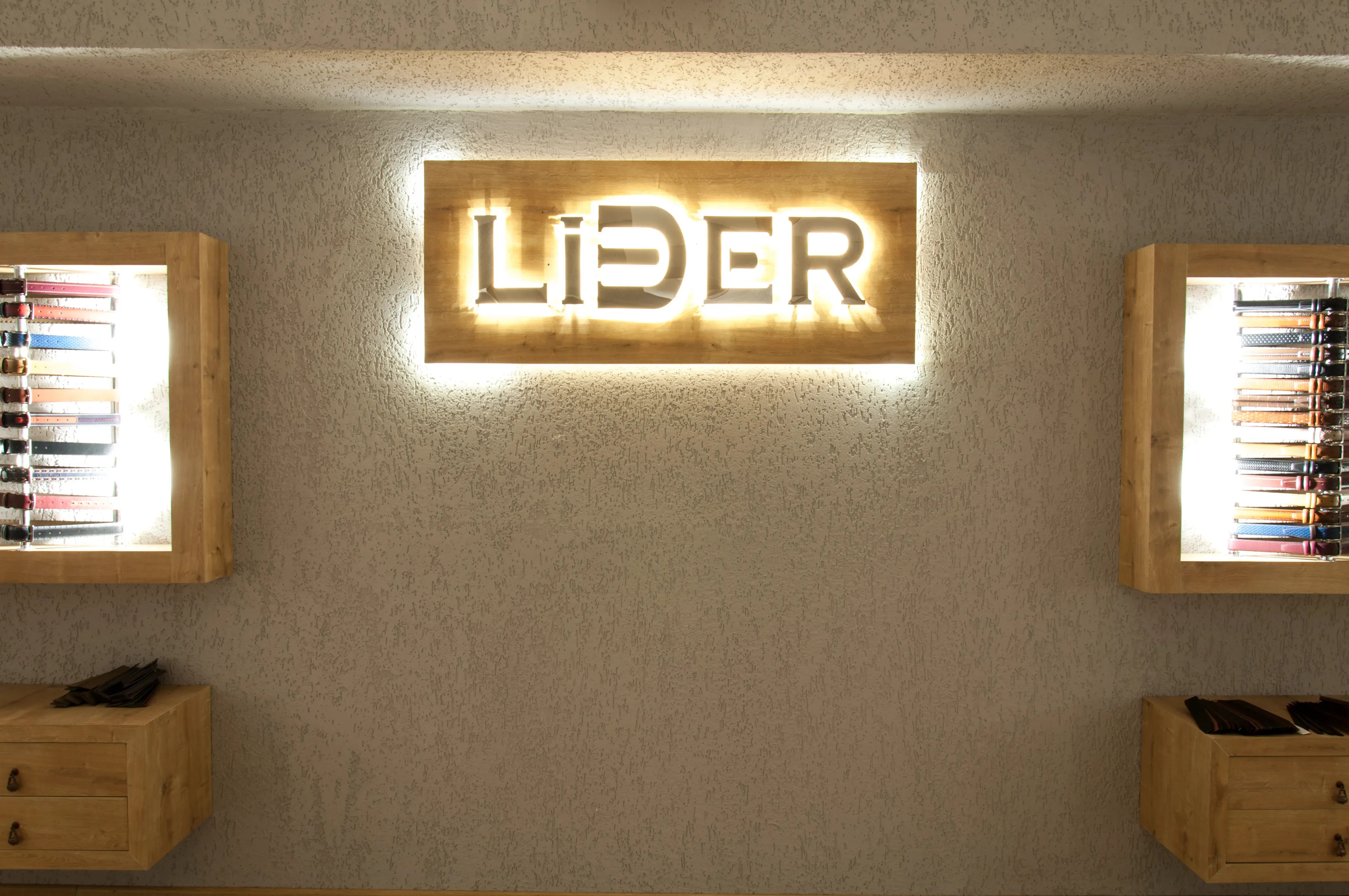
At Lider Kemer, we've been manufacturing leather belts in Istanbul's Merter district since 1982. Over 41 years, one product category, thousands of global buyers. We are the factory — not an agent, not a trading house. And that distinction changes everything about what you're paying for and what you're getting.
Why Turkey Has Become the Global Standard for Wholesale Belt Sourcing
The global sourcing map has shifted. Between Red Sea disruptions, rising Chinese production costs, tightening EU import compliance rules, and brands waking up to the reputational risk of opaque supply chains, European and global buyers are restructuring where they source.
Turkey isn't a "backup option" anymore. For wholesale leather belts, it has become the primary destination for serious buyers — particularly across Germany, Austria, the Netherlands, Switzerland, France, and the UK.
Here's why, broken down clearly:
The Full Picture of What We Manufacture
"We make belts" is useless information for a purchasing manager. Here's what we actually produce, and what each material means for your product line.
Genuine Leather Belts — Full Grain and Top Grain
Full-grain leather uses the outermost hide layer — the densest, strongest, and most natural. It develops patina with wear, which is the mark of genuinely premium leather. Top-grain leather has a more uniform, finished surface. Both are available across our men's belt and women's belt collections.
We work with A-grade cowhide from certified tanneries. Before cutting begins, each leather lot goes through thickness uniformity checks, surface integrity verification, and dye lot consistency testing. What this means practically: your 5,000-unit order won't have 200 pieces that look slightly different from the rest.
For buyers who want to understand the difference between material grades before they order, our guide on genuine leather vs PU leather covers exactly what changes in quality, durability, pricing, and market positioning.
PU Leather Belts — The Category Most Buyers Underestimate
Modern PU leather is not the peeling, cracking material from ten years ago. High-density polyurethane now closely mimics the grain, weight, and feel of genuine leather while offering advantages: consistent color across large runs, better moisture resistance, and lower unit cost. Our PU belt wholesale supplier page goes into the full technical spec breakdown. Fast-fashion brands, online retailers, and price-sensitive markets are our biggest PU customers — and none of them are compromising on presentation.
Suede and Nubuk Leather Belts
Suede is split leather buffed to a soft nap. Nubuk is full-grain leather buffed for a similar effect but with greater structural integrity. Both are available in our catalog in classic and fashion widths. Camel suede has been one of our consistently high-demand SKUs across European buyers.
Crazy Horse Leather Belts
A full-grain leather treated with wax for a naturally distressed, character-rich finish. Popular with heritage, workwear, and premium-casual brands. The more it's used, the better it looks. Hand-finished edges, solid hardware.
Vegetable Tanned Leather Belts
Vegetan leather uses organic tannins instead of chromium salts. It's slower to produce, firmer, and develops a rich patina over time. No heavy metal residues. The right choice for brands positioning in the sustainable or slow-fashion space. We document the full tanning and finishing process — ask for our material certification pack when you request samples.
Buffalo Leather Belts
Denser and more rugged than cowhide. Bold grain structure. Used primarily for heavy-duty work belts, western-style designs, and products where durability is the defining attribute.
Automatic and Ratchet Belts
One of our fastest-growing product categories. No holes, no notches — a hidden ratchet mechanism allows micro-adjustment along the full belt length. Available in genuine leather and PU. Our automatic belt manufacturing page covers available buckle mechanisms, strap widths, and customization options.
Braided and Elastic Belts
Woven and stretch belts for casual, sport, and lifestyle collections. Available in multi-color combinations, single tones, and branded weave patterns. See the braided elastic belts collection for current production options.
Production Capacity: 150,000 Units Per Month — What That Means for You
Our 150,000 belt per month capacity isn't just a headline number. It has direct operational implications for wholesale buyers.
It means we can absorb large orders without pushing your delivery back. It means your reorder goes into immediate scheduling — not a 6-week waiting list. And it means when your brand scales, we scale with you. We've written a full breakdown of what our monthly production capacity means for wholesale buyers — worth reading before you place your first big order.
Our Merter facility runs:
27-Point Quality Control — Not a Checklist, a System
Consistent quality at scale is the hardest thing to maintain in manufacturing. Most factories that struggle with returns aren't making individual bad pieces — they're letting production variance accumulate across thousands of units.
Our 27-point QC system is applied across three production stages:
Every outgoing shipment includes a pre-shipment inspection report. Our zero-return guarantee is not a marketing line — it's a production commitment. If something escapes our QC, we own the fix.
OEM, Private Label, ODM: Which Business Model Fits You?
OEM — You Design, We Build
You come with technical specs, drawings, or a physical sample. We replicate it precisely in your specified materials, hardware, and finishes. OEM is the right model if your brand has an established product identity that your supplier needs to follow. Our OEM belt manufacturing covers die-cast zinc, stainless, and solid brass buckle options, custom embossing dies, and any material specification you define.
Private Label — Our Designs, Your Brand
You select from our existing collection. We add your logo, your branding, your packaging. Fastest time to market. Lowest development cost. Our private label belt manufacturing page walks through the full process — from design selection to shelf-ready branded product. This model is especially popular with retailers and e-commerce brands launching their first belt line.
ODM — Co-Design
You bring a concept or market direction. We bring design capability and material expertise. The final product is yours exclusively. ODM is the right model if you want something original but don't have in-house design resources. Our design team works from trend analysis, shoe-belt coordination briefs, and retail category data.
For brands calculating what it costs to start a private label line — MOQ, tooling, packaging — our private label startup cost guide has the real numbers.
Minimum Order Quantity: 200–300 Pieces — And What Affects It
Our MOQ is 200–300 pieces per model. Lower than Italian manufacturers (who often start at 500+). Accessible enough for boutique brands testing a new category, yet scalable to tens of thousands of units per run.
What affects your specific MOQ:
For buyers comparing MOQ structures and what the market typically looks like, our wholesale belt buying guide breaks down the full decision framework.
Turkey vs China vs Italy: The Real Comparison
This comparison comes up in almost every conversation with a new buyer. Here it is, without the diplomatic filler.
Export and Customs: Getting Belts Into Europe Without Friction
This is where many buyers run into surprises. Customs delays, unexpected duties, incorrect documentation — they're common, and they're avoidable.
Who We Work With — And Who This Is Right For
Our buyer base covers:
How the Ordering Process Works
We've deliberately made this straightforward. Here's what happens from first contact to delivery:
Product Collections by Category
Men's Leather Belts Wholesale
Our men's belt collection covers classic dress belts (3.5 cm, smooth leather, pin buckle), casual jeans belts (4 cm, full-grain or nubuk), sport and canvas hybrid designs, automatic ratchet belts in genuine and PU leather, and seasonal fashion models. We also produce what's become a staple in European collections: the classic men's belt in traditional black and brown with fine-grain finish and antique hardware — the belt that sells consistently across every market, every season.
Women's Leather Belts Wholesale
Our women's belt collection ranges from 1.5 cm fine leather dress belts to 4 cm wide fashion statement pieces. Rivet and studded details, croco-embossed finishes, round and rectangular buckles, genuine leather and PU options. Women's belts are one of the fastest-evolving categories in our production — seasonal collections updated twice yearly.
Braided and Elastic Belts Wholesale
Our braided and elastic belt range uses high-density woven elastic in multi-color patterns with pin or plate buckles. Casual, golf, and lifestyle market staples. Available in single-color and multi-color combinations, with custom weave pattern options for branded collections.
Wholesale Custom Leather Belts
For buyers who want something entirely bespoke — width, length range, material, hardware, finish, packaging — our wholesale custom leather belt service handles the full development process from brief to bulk.
Why "Cheap Belts" End Up Costing More
This is something we've watched happen to buyers who initially went for the lowest unit price option. The math eventually reverses. A belt that costs €1.20 less per unit but generates a 12% return rate, requires customs re-filing, and arrives 3 weeks late doesn't save money — it costs it.
We've documented this with actual buyer scenarios in our why cheap belts are more expensive guide. It's not a pitch piece — it's a cost-of-quality analysis that serious purchasing managers find genuinely useful.
Where to Go Next
If you've read this far, you're either evaluating us seriously or you're a competitor doing research. Either way, welcome.
For serious buyers, here's a suggested path:
We don't do hard sells. We send samples, answer questions directly, and let the product speak.
Get a Wholesale Leather Belt Quote
Request an immediate price quote for our belt models manufactured in our Istanbul Merter factory since 1982.